
Maplewood Counseling
Select Page
Stop the Cycle of Criticism: Building a Healthier Relationship

Stop the Cycle of Criticism: Building a Healthier Relationship

Transforming Criticism into Connection: Breaking Destructive Habits

 

Anger Management Counseling at Maplewood Counseling

Do you ever feel like simple conversations with your partner quickly spiral into arguments? Maybe you find yourself holding back your thoughts to avoid a fight, or perhaps you feel constantly attacked, as if nothing you do is ever “right.” If this dynamic feels familiar, you are likely exhausted, hurt, and wondering where the love went.

It is completely normal for couples to disagree. In fact, conflict is an inevitable part of sharing a life with someone. However, the way we handle those disagreements makes all the difference. When frustrations are expressed through harsh criticism rather than constructive communication, it chips away at the foundation of your relationship. But here is the good news: these are learned behaviors, which means they can be unlearned. You have the power to break these destructive patterns and rebuild a partnership grounded in respect and empathy.

Understanding the Difference: Complaint vs. Criticism

One of the most common pitfalls in relationships is confusing a valid complaint with destructive criticism. It might seem like a subtle distinction, but the emotional impact on your partner is vastly different.

A complaint addresses a specific behavior or event. It focuses on what happened and how it made you feel.

  • Example: “I felt frustrated when the dishes were left in the sink last night because we agreed to keep the kitchen clean.”

Criticism, on the other hand, attacks a person’s character or personality. It implies that there is something fundamentally wrong with them.

  • Example: “You never clean up after yourself. You are so lazy and inconsiderate. Why can’t you ever do what you say?”

Do you see the difference? The complaint invites a solution to a problem. The criticism invites defensiveness and hurt feelings. When criticism becomes a habit, it creates a toxic environment where neither partner feels safe or valued.

The Danger of the “Four Horsemen”

Relationship experts often refer to four specific negative behaviors that predict relationship failure as the “Four Horsemen.” Criticism is often the first horseman to arrive, opening the door for the others to follow.

  1. Criticism: Attacking your partner’s character.
  2. Contempt: Treating your partner with disrespect, sarcasm, or mockery. This is often fueled by long-simmering negative thoughts about the partner.
  3. Defensiveness: Seeing yourself as the victim to ward off a perceived attack, often by making excuses or cross-complaining.
  4. Stonewalling: Withdrawing from the interaction to avoid conflict, shutting down, and closing yourself off.

Recognizing these patterns is not about shaming yourself or your partner. It is about awareness. Once you identify that criticism is present, you can take active steps to stop the cycle before it escalates into contempt or stonewalling.

The Antidote: How to Use a “Gentle Startup”

If you are feeling unheard or frustrated, how can you express yourself without causing damage? The key is to change how you begin the conversation. Research shows that the first three minutes of a conflict usually determine how the rest of the discussion will go.

To avoid criticism, try using a Gentle Startup. This approach focuses on your needs rather than your partner’s faults.

The Formula for Success

Try framing your concerns using “I” statements rather than “You” statements. A helpful formula is:
“I feel [emotion] about [specific situation] and I need [positive request].”

Let’s look at how this transforms a conversation:

  • Destructive Approach: “You care more about your phone than me. You’re always ignoring me at dinner.”
  • Gentle Startup: “I feel lonely when we are on our phones during dinner. I need us to have some quality time to talk about our day.”

By focusing on your feelings and your positive need, you remove the blame. This makes it much easier for your partner to hear you and respond with empathy rather than defensiveness.

Building a Culture of Appreciation

Breaking the habit of criticism isn’t just about biting your tongue; it’s about shifting your mindset. When we are stuck in a negative cycle, we tend to scan our environment for mistakes. We notice what our partner didn’t do.

To counteract this, try to catch your partner doing something right. Actively look for things to appreciate. Did they make coffee this morning? Did they listen to you vent about work? Did they pick up the dry cleaning?

Expressing gratitude builds an “emotional bank account.” When you have a reservoir of positive interactions and appreciation, the occasional conflict or complaint doesn’t deplete the relationship. It becomes easier to give each other the benefit of the doubt.

When to Seek Professional Support

Changing deeply ingrained habits is difficult work. If you feel like criticism has eroded the trust in your relationship, or if you find yourselves stuck in the same arguments over and over, you don’t have to navigate it alone.

Professional couples counseling offers a safe, neutral space to explore these dynamics. A therapist can help you:

  • Identify your specific conflict triggers.
  • Practice the Gentle Startup and other communication tools in real-time.
  • Uncover the unmet needs hiding beneath the criticism.
  • Rebuild emotional safety and intimacy.

Seeking help is a brave declaration that your relationship is worth fighting for.

Frequently Asked Questions (FAQs)

Is it wrong to ever complain to my partner?
No, absolutely not. Suppressing your frustrations can lead to resentment, which is just as damaging as criticism. The goal is not to stay silent, but to express your complaints in a way that is respectful and focuses on the specific behavior, not your partner’s character.

What if my partner is the critical one?
It can be very painful to be on the receiving end of constant criticism. Try not to retaliate with your own criticism. Instead, calmly state how their words affect you. You might say, “I want to hear what you are saying, but it hurts when you call me lazy. Can you please tell me what you need without the labels?” If the behavior continues, counseling can be very effective in helping your partner understand the impact of their words.

We’ve been communicating this way for years. Is it too late to change?
It is never too late to learn new ways of relating to one another. Many couples find that once they have the right tools, they can reverse years of negative patterns. The brain is capable of learning new behaviors at any age, and relationships are resilient. With commitment and patience, you can rebuild a loving connection.

How can I stop myself when I’m angry?
Anger often makes us reactive. If you feel your pulse racing or your temper flaring, it’s okay to ask for a “timeout.” Tell your partner, “I am feeling too angry to talk productively right now. I need 20 minutes to calm down, and then I want to finish this conversation.” Use that time to breathe and identify what you really need, so you can return to the discussion with a Gentle Startup.

Ready to Transform Your Relationship?

You deserve a relationship where you feel heard, valued, and safe. If you are ready to leave destructive habits behind and build a stronger, more loving partnership, we are here to guide you.

Contact Maplewood Counseling today to schedule a consultation. Let us provide you with the tools and support you need to reignite your bond and communicate with confidence.

Helpful Resources


Premarital Counseling NJ

Premarital Counseling NJ

PREMARITAL COUNSELING NEW JERSEY

Need Premarital Counseling?
We Can Help


Get in Touch Today

Need Premarital Counseling ?

Important DIscussions Before Getting Married

Getting married soon? Need premarital counseling? There are few undertakings more critical than premarital counseling. This insightful and proactive step can help cement the foundation of your marriage, setting the stage for a lifetime of understanding, communication, and shared growth. If the notion of counseling seems foreign or intimidating, put those fears aside. This is not about fixing something that’s broken; it’s about enhancing what’s already beautiful. So, let’s embark on an exploratory journey that could very well transform your relationship in profound ways.

Get Premarital Counseling

Maplewood Counseling for Premarital  Counseling in NJ

Setting the Foundation for a Strong Marriage

The Core Pillars of Premarital Counseling

Premarital counseling is a deliberate process of exploration and growth. It’s designed for couples who desire a deep understanding of each other and are committed to building a robust partnership. The benefits are numerous and the insights are invaluable. Let’s explore the pillars that make premarital counseling a must for those on the marital path.

Improved Communication Skills

Communication is far more than mere words—it’s the lifeblood of any successful relationship. In premarital counseling, couples are equipped with practical tools to improve the art of listening, speaking honestly, and understanding non-verbal cues. These skills are transformative, laying the groundwork for a relationship where no thought is left unexpressed and no feeling is misunderstood.

Conflict Resolution Strategies

Conflicts are an inevitable part of marriage, but how you navigate them can make all the difference. Premarital counseling offers a safe space for couples to identify and practice healthy ways to resolve disputes. Learning to embrace conflict as an opportunity for growth rather than a threat to the relationship is a powerful revelation.

Understanding Expectations and Roles

Every individual carries a unique set of expectations and perceptions into marriage, often shaped by experiences, upbringing, and cultural influences. Premarital counseling facilitates open discussions that clarify each partner’s hopes, dreams, and the roles they envision in their shared life. By aligning on these aspects, you’ll significantly reduce the potential for future misunderstandings and resentment.

Strengthening Intimacy and Connection

Emotional and physical intimacy are at the heart of a fulfilling marriage. Premarital counseling delves into the intricacies of intimacy, fostering a richer connection between partners. Through discussion and exploration, couples can deepen their bond and build a relationship that is a source of security and happiness.

Selecting the Right Premarital Counselor

The partnership with your premarital counselor is one of trust and guidance. Finding the right person to facilitate this journey is crucial. Look for professionals who not only have the credentials and experience but also possess qualities like empathy, cultural sensitivity, and a non-judgmental approach.

Qualities to Look For in a Premarital Counselor

Your counselor should be a skilled facilitator, adept at guiding you through difficult conversations. Look for those who are licensed, experienced in marriage counseling, and have a track record of working with diverse couples. Compassion and a neutral stance are also essential attributes that create a safe and welcoming environment for open dialogue.

What to Expect in Your Premarital Counseling Sessions


Maplewood Premarital Counseling NJ

The structure and content of premarital counseling sessions can vary, but there are overarching themes that most sessions will cover. Understanding what’s ahead can alleviate any apprehension and help you approach the process with an open mind and ready heart.

Typical Premarital Counseling Session Structure

Sessions are typically weekly or bi-weekly, lasting from 60 to 90 minutes. Your initial session may involve an assessment of your relationship, after which a custom plan of discussion topics and exercises will be outlined. Subsequent sessions will delve into these areas to foster growth and understanding.

Topics Covered in Premarital Counseling

Healthy premarital counseling will touch on various topics, including individual values, roles as partners, family-of-origin matters, communication, conflict resolution, and intimacy. Each of these is dissected to reveal complexities and opportunities for unity, ensuring that no stone is left unturned before the wedding.

Addressing Common Challenges

Premarital counseling shines a light on potential hurdles that might arise in the course of your marriage, most of which have their roots in unspoken or misaligned expectations. By bringing these issues into the open, couples can devise strategies to meet challenges head-on and emerge stronger.

Financial Management

Money is a leading cause of marital strife. Through premarital counseling, couples explore their financial attitudes, anxieties, and long-term objectives. The aim is not just to create budgets and savings plans but to lay a financial groundwork that reflects the couple’s shared values and future aspirations.

Family Dynamics and In-Laws

Families are the tapestries from which we are cut and, as such, play a significant role in a marriage. Premarital counseling helps couples navigate potentially tricky family dynamics, boundaries, and the role of in-laws. The goal is to find harmony that respects the relationship without alienating the familial support structure.

Decision-Making and Goal-Setting

Mutual decision-making and goal-setting are key components of a successful marriage. Counseling encourages couples to constructively work towards common aims, ensuring that each partner feels heard and valued in the process. This shared approach lays the groundwork for a unified life.

Real-Life Transformations Through Premarital Counseling

To truly understand the potential of premarital counseling, let’s look at a couple who benefited from the experience. Julie and Michael entered counseling with excitement about their upcoming wedding but soon realized that their communication styles were vastly different, causing repeated misunderstandings. Through counseling, they learned to listen with empathy and express their needs more clearly. The result was a relationship with a newfound depth of understanding that served them well in both joys and trials.

Embracing the Investment in Your Relationship

The decision to partake in premarital counseling is an investment in your relationship’s future. It’s an ally and a guide that champions the strengths of your union while providing tools to navigate the challenges that will inevitably arise. As you embark on the beautiful journey of marriage, embrace the opportunities for growth that come with premarital counseling. In doing so, you honor not just the institution of marriage, but the unique love and bond you share with your partner.

Schedule Your Premarital Counseling Session Today

The wisdom gained from premarital counseling is immeasurable, and the time to act is now. Take the leap and schedule your first session. Your commitment to this process is a testament to the strength and promise of your love. It’s a step that opens the door to a lifetime of fulfillment in marriage. The journey begins with a single session—make it count.

If you need help with premarital counseling in NJ, please feel free to get in touch.

Contact Maplewoood Counseling

———————–

Emergency Marriage Counseling

What Supportive Relationships Have in Common

Supportive Relationships

Create Meaningful Connections
Get in Touch

What Supportive Relationships Have in Common

Do you know what’s it’s like to feel supported? Cared about? Understood?  Supportive relationships have several things in common. They’re about being there when someone is in need, whether they’re feeling sad or excited about something. Supportive relationships are comforting, caring and warm. They can make you feel you’re not alone when things are not going well and help you get through life’s ups and downs.

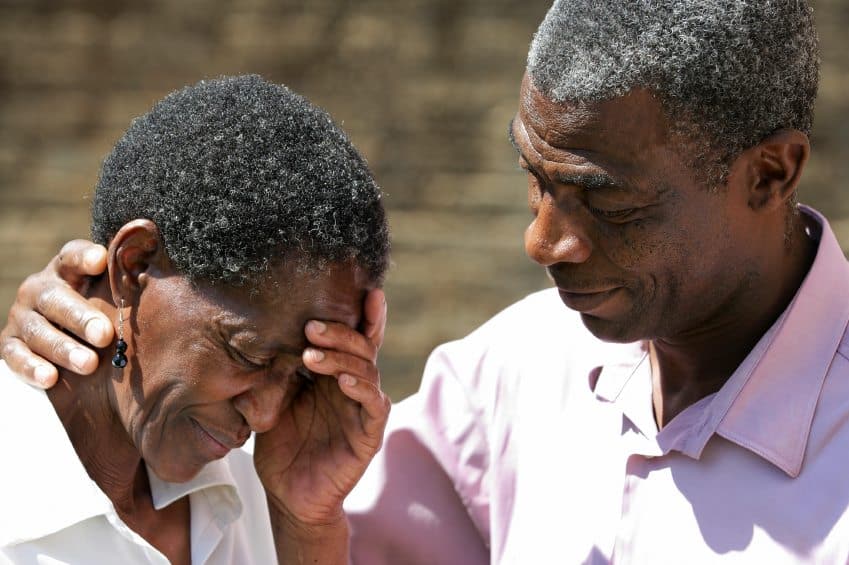
The photo below shows a man showing support, kindness and compassion. He is comforting his wife, who is feeling sad or in pain. Some people find it hard to be there for their spouse or partner. Some find it easy to show kindness and compassion to their children, but not their partner. What makes it so hard for some people to be there?

Supportive Relationships – Trying to Get More Support?

What makes it hard for you to be more supportive?

Is this you?

It feels like my partner or spouse

  • doesn’t understand me
  • never listens to me
  • doesn’t care about me
  • isn’t there for me
  • can’t be trusted
  • always criticizes me and I can never do anything right
  • always try to fix something when I’m sad, which doesn’t help
  • just wants me to “get over it”
  • doesn’t understand emotions and says “I shouldn’t feel sad or angry”

It is possible for some couples to develop more supportive relationships. It is something we all want and deserve. If you’re having trouble being supportive to or  feeling supported by your partner, counseling may help.

Alone After Divorce?

Alone After Divorce?

Having Trouble Coping?
Get in Touch

Alone After Divorce?

Are you struggling and alone after divorce?

The end of a marriage can be very painful.  You tried so hard to make it work. Now you’re feeling tremendous sadness and loss.  A failed relationship can cause both parties to feel shame, grief and make it hard to function.  Many have a lot of trouble sleeping, eating and feel very isolated and alone.

Your marriage may have ended for any number of reasons:

  • you could not recover from the feelings of betrayal after an affair
  • you were treated with disrespect and emotionally abused and you just could not take it anymore
  • you slowly lost feelings for one another
  • you just could not work out your differences and connect in positive ways

Regardless of the reasons for breaking up, living alone after divorce can bring up feeling of grief and loss like you’ve never felt before.  In some situations, dealing with angry, sad or confused children can only make matters worse.  Even if you struggle with feelings of hostility and anger toward your ex (or visa versa), it is best for everyone to get some help processing and dealing with those feelings so they don’t cause even more damage and pain. We’ve seen many couples manage to get to a peaceful place even when they did not think it could be possible.

If you’re living or feeling alone after divorce there are people out there that can help you.  You’re not alone. Whether it’s a therapist experienced with divorce counseling or some type of group that helps men and women going through divorce, you can find someone to help you get through this difficult time.

If you need help and live or work in Essex County, NJ, get in touch.  We’re here to help.

Contact Maplewoood Counseling


Finding Relationship Help

Relationships in Need of Help

Getting to a Better Place
Get in Touch

Need Relationship Help?

Some of us look forward to weekends with our loved ones — no work and time for closeness, romance, and relaxation. Right? The reality for many is that weekends are much than difficult than work days. because rather than feel excited about being together and connected to one another, you feel lonely and disappointed. Spending time with someone who makes you feel miserable instead of loved, can be very painful. Are you in need of relationship help and wonder what to do?

After a bad stretch, some people may pick up the phone and reach out for professional help and others might look for self help books or online support or resources.

Here are some helpful videos by John Gottman that describehow to make relationships work.

Getting Relationship Help

Making Relationships Work Part 1

Making Relationships Work Part 2

Making Relationships Work Part 3

Making Relationships Work Part 3

  • Criticism (criticism is dangerous to a relationship)
  • Contempt (mocking and acting superior is toxic for a relationship and actually erodes the immune system)
  • Defensiveness (toxic because people are not taking responsibility for part of the problem)
  • Stonewalling (toxic because it seems you’re disengaged and couldn’t care less about what your partner is saying or doing)

If you’ve been unsuccessful trying to improve things on your own, it may be time to call an experienced marriage or relationship therapist. It’s an important (and sometimes difficult) step to understanding and working toward changing some destructive patterns in your relationship.

We hope you find this information useful as you search for relationship help and try and build a stronger and more satisfying relationship.