Maplewood Counseling
Select Page

Relationship Therapy | Creating a Safe Place

Relationship Therapy NJ

All Relationships

Contact Maplewoood Counseling

Relationship Therapy | A Safe Place for Couples

If you’re at a point in your marriage or relationship where you just cannot resolve things on your own, relationship therapy may help.  Therapists will often try and create a safe place for couples to work on resolving their issues. According to Daniel Siegel, MD and therapist, the 4 S’s are needed to create more secure and healthier relationships…to feel SEEN, SAFE, SOOTHED and SECURE.  Areas where one or more of these are not met will cause a couple to really struggle.

Is this you?

  • you can’t seem to discuss anything without fighting
  • you feel your spouse or partner just won’t listen to you
  • you escalate into name calling in an attempt to feel heard and understood
  • you put up a wall to protect yourself from what feels like a constant attack
  • you feel incredibly sad and alone
  • you feel desperate to feel heard and understood and can’t seem to make your spouse be there for you
  • you’re feeling hopeless about repairing the damage

Relationships are about rupture and repair. We all experience some type of rupture at times. No relationship is immune from dealing with problems. What is important is knowing how to repair the ruptures. To get better and making your spouse feel seen, safe, soothed and secure.

Relationship Therapy Can Help Repair Ruptures

Find ways to help your spouse or partner

  • feel seen by becoming better at listening and understanding the internal experience of the other rather than getting defensive. Feeling felt is very important to connection.
  • create safety by listening and taking in the other person’s experience and reflecting on what each of you may be feeling
  • soothe one another by joining rather than feeling alone and withdrawing from one another
  • feel secure and be open and flexible to areas and issues that may be causing insecurity (and also exploring earlier attachment issues that may be getting triggered)

Secure, happy relationships can create such joy as well as improve to your overall health and wellness. You and your spouse or partner can learn how to repair your relationship ruptures better to create a closer connection.  If you need relationship therapy in Essex County, NJ, please contact us.


Need Relationship Therapy in NJ?

Relationship Therapy NJ

Couples Counseling New Jersey

Maplewood Counseling

Contact Maplewoood Counseling

Looking for Relationship Therapy in NJ?

Does this sound familiar?

You feel sad and alone in your marriage or relationship
You are not a priority or last on the list
You feel your partner is not there for you
There is little to no intimacy or sex anymore
Your spouse does not talk to you for days (or weeks) when you’ve had a fight
You are exhausted trying to manage everything and you never get enough help
You’re ready to call it quits because it feels hopeless
You have a new baby and things are so much worse now
You’re wondering if your relationship or marriage can be saved
We hear from many men and women trying to find help for their relationship. They are so upset, sad, angry or frustrated and don’t know what to do. They have so much invested emotionally and financially, so it’s understandable they’re searching for ways to change patterns that are not working – or making things a lot worse, for that matter.

If you and your spouse or partner are at a point where you just can’t seem to resolve your differences, or are feeling so angry and distant that you are miserable, therapy may help.

If you’re looking for relationship therapy in NJ, Feel free to contact us at 973-902-8700 or email us if that’s easier.

How to Find Love & Build Lasting Connection

How to Find Love: Moving Beyond Luck to Lasting Connection


How to Find Love: Moving Beyond Luck to Lasting Connection

Are you tired of the endless cycle of dating apps, disappointing first dates, and “almost” relationships? Do you find yourself wondering if lasting love is just a matter of luck that hasn’t come your way yet?

Finding love is one of life’s most profound desires, yet for many, it remains a source of frustration and anxiety. In a world of instant swipes and curated profiles, true connection can feel elusive. At Maplewood Counseling, we believe that finding love isn’t just about stumbling upon the “right” person—it’s about becoming the right partner and understanding the deeper patterns that guide your choices.

Whether you are single and searching, healing from a breakup, or feeling stuck in a relationship that has lost its spark, we are here to help you navigate the path toward the deep, secure connection you deserve.

[Start Your Journey to Love – Book a Consultation]


The Science and Soul of Connection

Love often feels mysterious, but it is also deeply rooted in psychology and human behavior. It’s not just about chemistry; it’s about compatibility, shared values, and emotional safety.

Why Does Finding Love Feel So Hard?

Many of us carry unseen baggage into the dating world. Past heartbreaks, childhood attachment styles, and subconscious beliefs can silently sabotage our efforts to connect.

  • Attachment Styles: Are you anxious, constantly fearing abandonment? Or avoidant, pulling away when things get too close? Understanding your attachment style is the key to breaking negative cycles.
  • The Myth of Perfection: Are you waiting for a partner who checks every single box? Real love is often found in the messy, beautiful reality of growing together, not in finding a flawless human being.
  • Fear of Vulnerability: To be loved is to be known. If you build walls to protect yourself from pain, you also block out the possibility of deep intimacy.

How Maplewood Counseling Supports Your Search for Love

We don’t just offer advice; we offer a transformation in how you relate to yourself and others. Our therapists specialize in helping you uncover the barriers to love and build the skills necessary for a healthy partnership.

1. Breaking Negative Relationship Patterns

Do you find yourself dating the same type of person over and over, with the same painful results? We help you identify these repetitive cycles and understand the root causes, empowering you to make different, healthier choices.

2. Building Self-Worth and Confidence

Healthy relationships start with a healthy relationship with yourself. If you struggle with low self-esteem or feelings of unworthiness, it can be difficult to accept love even when it’s offered. We work with you to build a foundation of self-love that attracts respectful, loving partners.

3. Navigating Modern Dating with Intention

Dating fatigue is real. We provide practical guidance on how to date with intention rather than desperation. Learn how to spot red flags early, communicate your needs clearly, and stay true to your values in a chaotic dating landscape.

4. Transitioning from “Me” to “We”

Finding love is step one; keeping it is the journey. Once you’ve found a partner, we support you in navigating the early stages of commitment, blending lives, and establishing healthy communication habits that last a lifetime.


Practical Insights: 3 Steps to shift Your Love Life Today

While therapy provides the deep work, there are steps you can take right now to shift your perspective.

Step 1: Define Your “Must-Haves” vs. “Nice-to-Haves”
Focus on character traits like kindness, reliability, and emotional intelligence over superficial qualities. A partner who listens is far more valuable than a partner who is simply tall or wealthy.

Step 2: Embrace Vulnerability
It’s scary to open up, but vulnerability is the bridge to connection. Practice sharing small, authentic parts of yourself on dates. Notice how the other person responds—do they lean in with empathy, or do they pull away?

Step 3: Stop “Auditioning”
When dating, many people focus entirely on “Does this person like me?” instead of asking, “Do I like how I feel around this person?” Shift your focus to your own feelings and comfort level.


Frequently Asked Questions About Finding Love

How can I deal with dating fatigue and disappointment?
It’s completely understandable to feel weary or discouraged if dating hasn’t gone the way you hoped. Taking breaks to recharge, setting healthy boundaries, and reflecting on what you truly want can help restore your hope. Sometimes, talking with a counselor makes it easier to process tough emotions and approach your search for love in a more intentional, kind way.

What’s the best way to build self-confidence before dating?
Self-confidence starts with recognizing your own worth, even when relationships haven’t worked out in the past. Consider small daily affirmations, surrounding yourself with supportive people, and setting realistic expectations. Our therapists can guide you to notice and celebrate your strengths, helping you step into new connections with authenticity and trust in yourself.

How do I overcome the fear of vulnerability in relationships?
Opening up to someone new can feel overwhelming, especially if you’ve been hurt before. Start slowly by sharing things at your own pace and noticing who makes you feel safe and respected. Vulnerability can be a powerful tool for fostering real connection, and a therapist can offer a secure space to practice and grow more comfortable with openness.

What if I keep repeating the same relationship patterns?
Many people notice they gravitate toward similar dynamics, even when those aren’t healthy. Our work together can help you unpack the reasons behind those choices, disrupt unhelpful patterns, and learn practical ways to form stronger, more fulfilling bonds in the future.

Can therapy really help me find love?
Therapy isn’t about finding love for you, but it’s about supporting your journey—guiding you to understand yourself, improve communication skills, and approach dating or commitment with clarity. Many people find that feeling understood and encouraged helps them build more meaningful relationships, both with themselves and others.


You Don’t Have to Navigate This Alone

Love is worth the effort, but the path doesn’t have to be lonely. Whether you are dealing with the grief of a past relationship, the anxiety of dating, or the desire to deepen your current partnership, Maplewood Counseling is your partner in this process.

Our compassionate, non-judgmental therapists are here to help you rewrite your love story. You deserve a relationship that feels safe, supportive, and full of joy. Let us help you find it.

Ready to open your heart to what’s possible?

Helpful Resources


Relationship Tip

Relationship Tip

Gratitude and Aprreciation
Get in Touch

Relationship Tip – Say Thanks

(videos removed)

How Does Gratitude Affect Romantic Relationships?

We hope you find this relationship tip helpful.

Call 973-902-8700 Maplewoood Counseling

Stop the Cycle of Criticism: Building a Healthier Relationship

Stop the Cycle of Criticism: Building a Healthier Relationship

Transforming Criticism into Connection: Breaking Destructive Habits


Anger Management Counseling at Maplewood Counseling

Do you ever feel like simple conversations with your partner quickly spiral into arguments? Maybe you find yourself holding back your thoughts to avoid a fight, or perhaps you feel constantly attacked, as if nothing you do is ever “right.” If this dynamic feels familiar, you are likely exhausted, hurt, and wondering where the love went.

It is completely normal for couples to disagree. In fact, conflict is an inevitable part of sharing a life with someone. However, the way we handle those disagreements makes all the difference. When frustrations are expressed through harsh criticism rather than constructive communication, it chips away at the foundation of your relationship. But here is the good news: these are learned behaviors, which means they can be unlearned. You have the power to break these destructive patterns and rebuild a partnership grounded in respect and empathy.

Understanding the Difference: Complaint vs. Criticism

One of the most common pitfalls in relationships is confusing a valid complaint with destructive criticism. It might seem like a subtle distinction, but the emotional impact on your partner is vastly different.

A complaint addresses a specific behavior or event. It focuses on what happened and how it made you feel.

  • Example: “I felt frustrated when the dishes were left in the sink last night because we agreed to keep the kitchen clean.”

Criticism, on the other hand, attacks a person’s character or personality. It implies that there is something fundamentally wrong with them.

  • Example: “You never clean up after yourself. You are so lazy and inconsiderate. Why can’t you ever do what you say?”

Do you see the difference? The complaint invites a solution to a problem. The criticism invites defensiveness and hurt feelings. When criticism becomes a habit, it creates a toxic environment where neither partner feels safe or valued.

The Danger of the “Four Horsemen”

Relationship experts often refer to four specific negative behaviors that predict relationship failure as the “Four Horsemen.” Criticism is often the first horseman to arrive, opening the door for the others to follow.

  1. Criticism: Attacking your partner’s character.
  2. Contempt: Treating your partner with disrespect, sarcasm, or mockery. This is often fueled by long-simmering negative thoughts about the partner.
  3. Defensiveness: Seeing yourself as the victim to ward off a perceived attack, often by making excuses or cross-complaining.
  4. Stonewalling: Withdrawing from the interaction to avoid conflict, shutting down, and closing yourself off.

Recognizing these patterns is not about shaming yourself or your partner. It is about awareness. Once you identify that criticism is present, you can take active steps to stop the cycle before it escalates into contempt or stonewalling.

The Antidote: How to Use a “Gentle Startup”

If you are feeling unheard or frustrated, how can you express yourself without causing damage? The key is to change how you begin the conversation. Research shows that the first three minutes of a conflict usually determine how the rest of the discussion will go.

To avoid criticism, try using a Gentle Startup. This approach focuses on your needs rather than your partner’s faults.

The Formula for Success

Try framing your concerns using “I” statements rather than “You” statements. A helpful formula is:
“I feel [emotion] about [specific situation] and I need [positive request].”

Let’s look at how this transforms a conversation:

  • Destructive Approach: “You care more about your phone than me. You’re always ignoring me at dinner.”
  • Gentle Startup: “I feel lonely when we are on our phones during dinner. I need us to have some quality time to talk about our day.”

By focusing on your feelings and your positive need, you remove the blame. This makes it much easier for your partner to hear you and respond with empathy rather than defensiveness.

Building a Culture of Appreciation

Breaking the habit of criticism isn’t just about biting your tongue; it’s about shifting your mindset. When we are stuck in a negative cycle, we tend to scan our environment for mistakes. We notice what our partner didn’t do.

To counteract this, try to catch your partner doing something right. Actively look for things to appreciate. Did they make coffee this morning? Did they listen to you vent about work? Did they pick up the dry cleaning?

Expressing gratitude builds an “emotional bank account.” When you have a reservoir of positive interactions and appreciation, the occasional conflict or complaint doesn’t deplete the relationship. It becomes easier to give each other the benefit of the doubt.

When to Seek Professional Support

Changing deeply ingrained habits is difficult work. If you feel like criticism has eroded the trust in your relationship, or if you find yourselves stuck in the same arguments over and over, you don’t have to navigate it alone.

Professional couples counseling offers a safe, neutral space to explore these dynamics. A therapist can help you:

  • Identify your specific conflict triggers.
  • Practice the Gentle Startup and other communication tools in real-time.
  • Uncover the unmet needs hiding beneath the criticism.
  • Rebuild emotional safety and intimacy.

Seeking help is a brave declaration that your relationship is worth fighting for.

Frequently Asked Questions (FAQs)

Is it wrong to ever complain to my partner?
No, absolutely not. Suppressing your frustrations can lead to resentment, which is just as damaging as criticism. The goal is not to stay silent, but to express your complaints in a way that is respectful and focuses on the specific behavior, not your partner’s character.

What if my partner is the critical one?
It can be very painful to be on the receiving end of constant criticism. Try not to retaliate with your own criticism. Instead, calmly state how their words affect you. You might say, “I want to hear what you are saying, but it hurts when you call me lazy. Can you please tell me what you need without the labels?” If the behavior continues, counseling can be very effective in helping your partner understand the impact of their words.

We’ve been communicating this way for years. Is it too late to change?
It is never too late to learn new ways of relating to one another. Many couples find that once they have the right tools, they can reverse years of negative patterns. The brain is capable of learning new behaviors at any age, and relationships are resilient. With commitment and patience, you can rebuild a loving connection.

How can I stop myself when I’m angry?
Anger often makes us reactive. If you feel your pulse racing or your temper flaring, it’s okay to ask for a “timeout.” Tell your partner, “I am feeling too angry to talk productively right now. I need 20 minutes to calm down, and then I want to finish this conversation.” Use that time to breathe and identify what you really need, so you can return to the discussion with a Gentle Startup.

Ready to Transform Your Relationship?

You deserve a relationship where you feel heard, valued, and safe. If you are ready to leave destructive habits behind and build a stronger, more loving partnership, we are here to guide you.

Contact Maplewood Counseling today to schedule a consultation. Let us provide you with the tools and support you need to reignite your bond and communicate with confidence.

Helpful Resources


What Supportive Relationships Have in Common

Supportive Relationships

Create Meaningful Connections
Get in Touch

What Supportive Relationships Have in Common

Do you know what’s it’s like to feel supported? Cared about? Understood?  Supportive relationships have several things in common. They’re about being there when someone is in need, whether they’re feeling sad or excited about something. Supportive relationships are comforting, caring and warm. They can make you feel you’re not alone when things are not going well and help you get through life’s ups and downs.

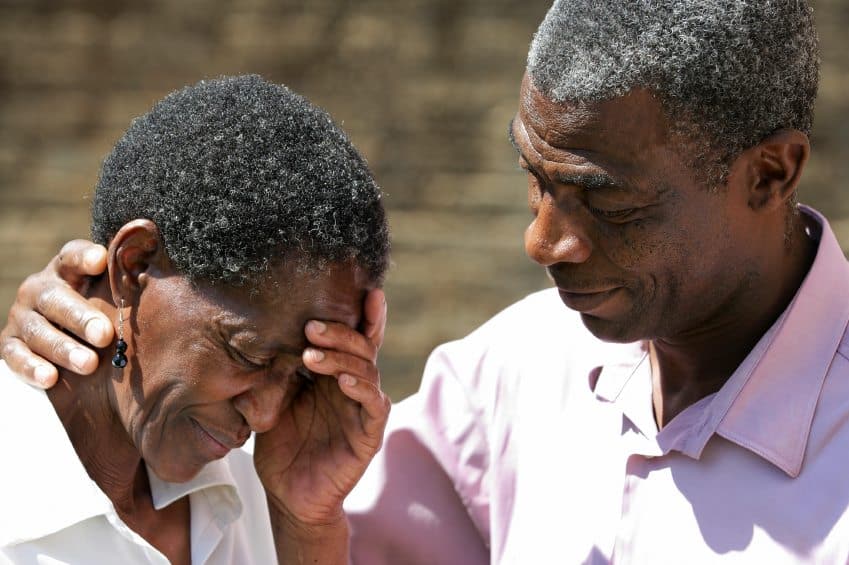
The photo below shows a man showing support, kindness and compassion. He is comforting his wife, who is feeling sad or in pain. Some people find it hard to be there for their spouse or partner. Some find it easy to show kindness and compassion to their children, but not their partner. What makes it so hard for some people to be there?

Supportive Relationships – Trying to Get More Support?

What makes it hard for you to be more supportive?

Is this you?

It feels like my partner or spouse

  • doesn’t understand me
  • never listens to me
  • doesn’t care about me
  • isn’t there for me
  • can’t be trusted
  • always criticizes me and I can never do anything right
  • always try to fix something when I’m sad, which doesn’t help
  • just wants me to “get over it”
  • doesn’t understand emotions and says “I shouldn’t feel sad or angry”

It is possible for some couples to develop more supportive relationships. It is something we all want and deserve. If you’re having trouble being supportive to or  feeling supported by your partner, counseling may help.