Maplewood Counseling
Select Page

Relationship Tips for Couples

Relationship Tips: Practical Guidance for Couples

Simple & Easy Ways to Connect

Relationship Tips: Practical Guidance for Couples

Support and Advice for Relationships

Relationship Tips: Practical Guidance for Couples

All couples experience periods of closeness and moments of challenge. Every shared journey has its unique twists, and facing difficulties together creates lasting understanding and respect. If you’ve noticed tension, frequent misunderstandings, or a sense of drifting apart, it’s important to remember: you’re not alone, and wanting to grow together is a sign of care.

At Maplewood Counseling, we know that every relationship needs mindful attention. Our aim is to help you nurture your connection, improve how you relate, and turn obstacles into opportunities for growth.

Simple Ways to Build Closeness Every Day

Fostering a strong relationship isn’t just about grand gestures. It’s the small, thoughtful actions—done regularly—that keep your bond strong.

  • Check-In with Care: Ask questions that show you truly want to support your partner, such as “What brought you joy today?” or “Is there something you’d like to talk about?” Thoughtful check-ins go beyond surface-level conversations.
  • Show Gratitude Often: Thank your partner for everyday acts, like preparing a meal or offering a listening ear. Even a brief “I appreciate you” can help your partner feel valued.
  • Carve Out Special Moments: Busy schedules make it easy to lose connection. Designate time for just the two of you, whether it’s a weekly walk, quiet morning coffee, or setting aside devices for a heartfelt conversation.

Communicate to Understand and Connect

Have you ever felt like your partner isn’t really hearing you? It’s common, but effective communication helps bridge these gaps and brings you closer together.

  • Express Yourself Clearly: Replace accusatory statements with honest feelings. Instead of “You never listen,” say “I feel overlooked when…” Sharing your experience can foster empathy, not defensiveness.
  • Listen with Presence: Give your partner your undivided attention—silence your phone, listen fully, and reflect what you’ve heard: “It sounds like you’re feeling overwhelmed.” This makes your partner feel seen and respected.
  • Pause When Needed: Sometimes emotions run high. If that happens, agree to step back and revisit the talk when both of you are calmer. Taking space can protect both your feelings and your relationship.

Navigating Disagreements with Compassion

Every relationship has conflict. It’s not about eliminating disagreements, but about handling them in a healthy, respectful way that leaves both people feeling understood.

  • Center on Solutions: Discuss issues without criticizing each other. Stay focused on resolving the concern at hand, and try not to revisit old grievances. Approach problems as a team.
  • Meet Each Other Halfway: Finding a path forward usually means both partners compromise. Ask, “Is there a way we can both feel comfortable with this?” Working together ensures no one feels left behind.
  • Rebuild and Reassure: After a tough conversation, reconnect with a kind gesture—an apology, comforting words, or simply acknowledging their perspective. These moments help heal and reaffirm your commitment.

Support Is Always Available

At times, you might feel stuck or uncertain about how to move forward. Reaching out for help is a courageous step, and it can be the turning point towards a more fulfilling relationship.

Our Maplewood Counseling team offers a welcoming, private environment where couples from all walks of life can explore difficulties and strengthen their bond. Whether you’re working through trust issues, major transitions, or simply want to rekindle your closeness, our skilled therapists offer guidance tailored to your situation.

You don’t have to manage challenges on your own. We’re here to support you in creating the partnership you envision.

When you feel ready, reach out to Maplewood Counseling. Schedule a confidential appointment and begin the journey to a deeper, more connected relationship.

LGBTQ+ Affirming & Gay Relationship Counseling in NJ

LGBTQ+ Affirming & Gay Relationship Counseling in NJ

LGBTQ Relationship Counseling in NJ at Maplewood Counseling

LGBTQ Relationship Counseling in NJ at Maplewood Counseling

Understanding and Supporting LGBTQ+ Relationships: Your Unique Journey

Real-Life Scenarios and Solutions

LGBTQ+ couples often face challenges that aren’t just about their relationship—like dealing with pressure from society, finding acceptance from family, or blending families with children. These situations can feel lonely or overwhelming, but you do not have to go through them by yourself. We’re here to help you face these obstacles together, supporting you every step of the way.

Here are a few real-life examples:

  • Societal Pressures:
    • Two partners felt unsure about coming out at work, worried about how it might affect them. In counseling, they talked about these fears, found ways to lean on people who support them, and worked together on building confidence to stay true to themselves while also protecting their relationship.
  • Family Acceptance:
    • A married lesbian couple felt hurt by unkind or subtle comments from one partner’s family. In therapy, they practiced setting boundaries and expressing what they needed in a caring but firm way. This helped them feel stronger together and more able to face family challenges as a united team.
  • Blended Families:
    • When a gay couple with children from previous relationships faced challenges over different parenting styles, therapy supported them in coming together, talking openly about their hopes for the family, and finding shared ways to care for their children. With time, their home felt more understanding and peaceful for everyone.

Every relationship needs love, trust, and honest communication to grow strong. But LGBTQ+ couples can also face challenges that are unique to them. You deserve support from someone who truly understands what you’re going through and respects your experiences. This is a safe place to talk about what makes your relationship special—and sometimes more complex. We’re here with warmth, experience, and a genuine desire to help you feel seen, heard, and supported every step of the way.

Embracing Your Relationship Structure

Your relationship is yours to define. It doesn’t matter if you are in a monogamous partnership, exploring an open relationship, or part of a polyamorous family—your chosen structure is respected and valued here. We’re here to help you create honest, caring conversations, set healthy boundaries, and support each person’s voice. Together, we’ll work with you and your partner(s) to:

  • Establish clear agreements and expectations.
  • Navigate feelings of jealousy or insecurity.
  • Foster open dialogue to ensure all partners feel heard and valued.

Co-Parenting with Pride and Purpose

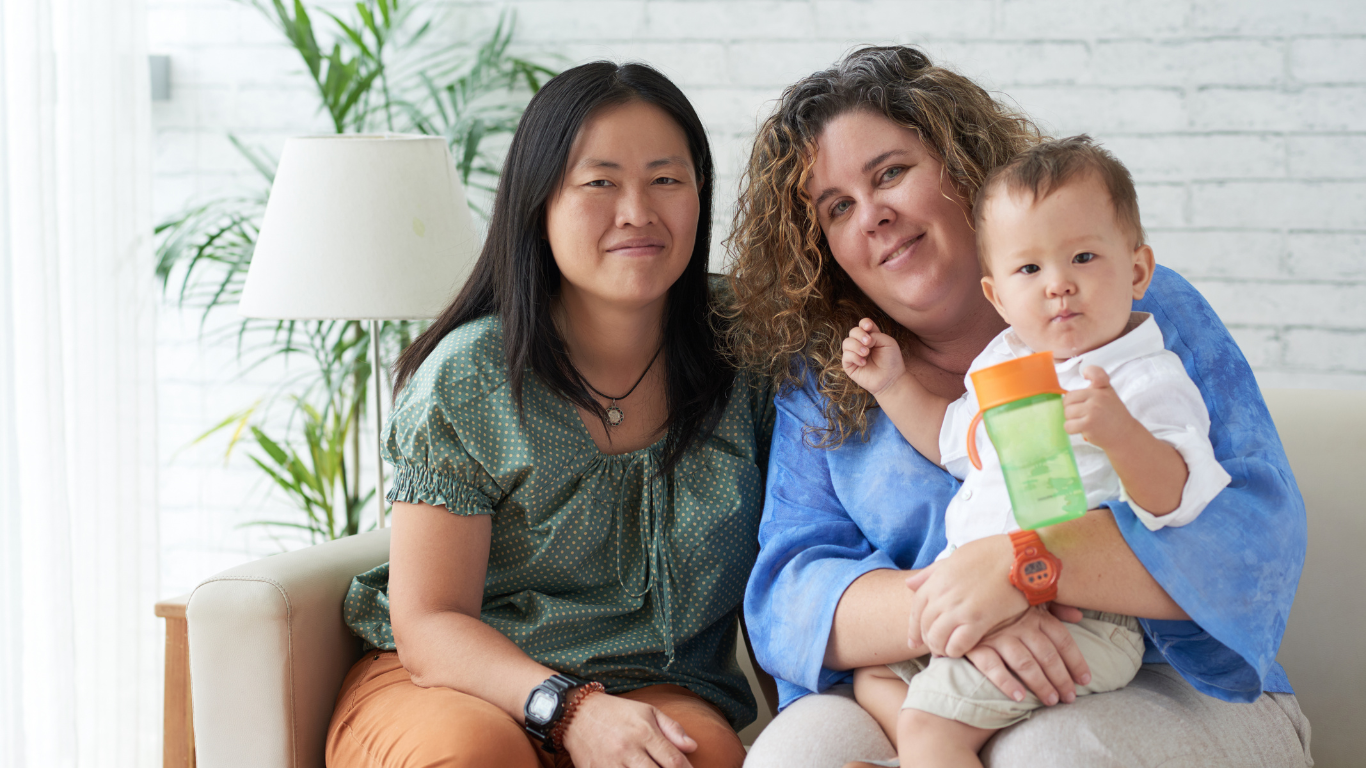
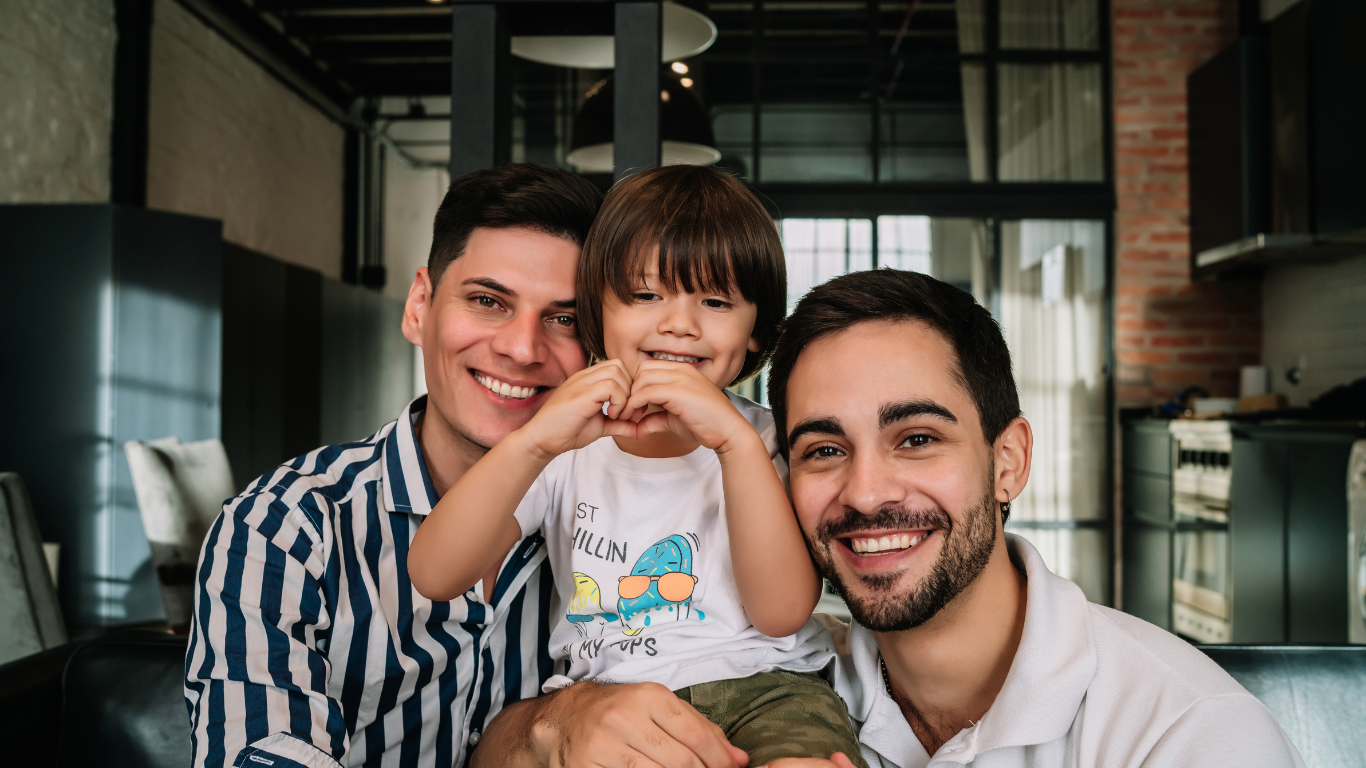
For same-sex couples, creating a family is often a journey filled with hope, effort, and pride. At the same time, there can be special challenges—like dealing with legal questions, or handling comments and curiosity from schools or other parents. We’re here to help you work together as a parenting team. We can talk about:

  • Defining parenting roles and responsibilities.
  • Creating a unified front when dealing with external biases.
  • Discussing how to talk with your children about your family’s unique story.

When the Outside World Comes In

Facing discrimination—whether it’s obvious or more hidden—can be really tough on your relationship. Maybe work doesn’t feel safe to be yourself, or family members make you feel unwelcome. Feeling like you have to always watch what you say or do can affect your well-being and how you connect with your partner. In counseling, you’ll find a safe space to talk openly about these outside pressures. We’ll help you and your partner support each other, strengthen your teamwork, and find ways to protect your relationship even when the world feels challenging.

Understanding Intersectionality: Your Whole Identity Matters

You are more than just who you love or how you identify. Your background, culture, faith, and life experiences all come together to shape you and your relationship. For example, a Black gay man may face different challenges than a white lesbian woman, and a trans person with a strong faith has their own unique journey.

We understand that all parts of your identity matter—not just your relationship status or how you identify, but your race, culture, beliefs, and background too. Our counseling welcomes every part of who you are. Here, you can talk openly about how your experiences shape your relationship, knowing you will be respected, understood, and accepted for all of who you are.

If you’re looking for support that honors every aspect of your life and love, we invite you to reach out today. Schedule a consultation and let’s move forward together, with care and understanding.

LGBTQ Therapist Maplewood Counseling

Gay Relationship Counseling

LGBT Therapist Maplewood NJ

LGBTQIA Couples Therapy

LGBTQ Therapist Maplewood NJ

Same Sex Marriage Counseling

Frequently Asked Questions


What should we expect in our first session?
Your first session is a chance for us to get to know each other. It’s a space where you and your partner can share your story, discuss the challenges you’re facing, and talk about your goals for your relationship. We’ll listen without judgment and explain our therapeutic approach. The main goal is to ensure you both feel comfortable, heard, and hopeful about the path forward.

How do you ensure a safe and affirming environment?
Creating a safe, non-judgmental, and affirming space is the cornerstone of our practice. Our therapists are trained in LGBTQ+ affirming care and are committed to understanding the unique experiences of our clients. We respect your identities, your relationship, and your privacy. From the language we use to the issues we explore, every aspect of our counseling is designed to make you feel respected and secure.

Do you have experience with LGBTQ+ issues?
Yes. Our therapists are very experienced with the diverse issues that can impact LGBTQ+ individuals and couples. This includes navigating societal or family pressures, coming out, building chosen families, and addressing the impact of discrimination. We understand that while many relationship challenges are universal, others are specific to the LGBTQ+ experience, and we are equipped to support you through them.

Can we discuss open relationships or non-traditional dynamics?
Absolutely. We provide a confidential and open-minded space to discuss all relationship structures, including open relationships, polyamory, and other forms of consensual non-monogamy. Our role is to help you and your partner(s) navigate these dynamics with clear communication, established boundaries, and mutual respect, not to judge them.

What if one partner is hesitant about therapy? It’s very common for one partner to feel uncertain or hesitant about starting therapy. We recognize this and work to create a low-pressure environment where both individuals feel equally heard and valued. Our initial sessions often focus on making sure both partners feel comfortable and addressing any concerns they may have about the counseling process itself. We believe therapy is most effective when it is a collaborative effort, and we invite you to take that first step together.

  •  

Local Events & Organizations:

  • Maplewood & South Orange Pride Festival: Annual celebration featuring resources, performances, and community-building events.
  • SOMA Two Towns for All Ages: Inclusive programs supporting LGBTQ+ residents and allies of all generations.
  • LGBTQ Community Center at the South Orange Public Library: Workshops, book clubs, and meetups.

Let us know if you’d like more information about a specific resource or how to get involved locally. There is a vibrant, supportive network in the Maplewood and South Orange SOMA area ready to welcome you and your family.


Are you ready to take the next step for your relationship? Reach out to schedule a consultation or contact us if you have questions. We’re here to support you and your partner every step of the way.

Helpful Resources for LGBTQ+ Parents

Navigating parenthood as a queer couple can bring unique questions and possibilities. We’ve gathered some helpful resources to support and empower you at every step:

These resources are here to support your journey, offering a place to connect, reflect, and grow as a family.

If you have additional questions or want to take the next step, please don’t hesitate to reach out. Your well-being matters to us, and we are here for you every step of the way.

In a Polyamorous Relationship?

In a Polyamorous Relationship?

Polyamory & Open Relationships

Couples Therapy NJ

Contact Maplewoood Counseling

In a Polyamorous Relationship?

In a Polyamorous or Open Relationship?

Close to 20% of all people have had a non-monogamous relationships, according to an April 2016 article in the Journal of Sex and Marital Therapy. This includes an open marriage, open relationship, and polyamory, in which all partners agree that each may have romantic and/or sexual relationships with other partners. Many couples follow rules and agreements to cut down on potential problems and challenges.

Polyamory, which is a common type or non-monogamous relationship, means having more than one sexual or romantic partner, with all partners agreeing to certain rules for the arrangement. Unlike an open relationship where couples may date others and agree to only love each other, a polyamorous couple may agree to have sex outside the relationship and are open to loving multiple partners.

Struggling with a Non-monogamous Relationship? Does this sound familiar?

  • Your partner broke a rule and you feel upset or betrayed
  • You or your partner is struggling with jealousy and it causes arguments
  • You or you’re partner or others don’t have good boundaries
  • Quantity vs quality time issues
  • Comparing or being compared to other partners
  • You are ready for a change because you feel unhappy, but your partner is not
  • You have concerns about privacy and being outed
  • Your children are getting older and it’s harder to keep secrets

If you are struggling in an open or polyamorous relationship and need help navigating some issues, get in touch.


Contact Maplewoood Counseling

In An Estranged Relationship?


In a Estranged Relationship?
Need Counseling NJ

Couples and Individual Therapy

Contact Maplewoood Counseling


Coping with an Estranged Relationship?

What is an estranged relationship? Estranged implies a loss of affection, distance and instead of turning to your spouse or partner, turning away. If you have been feeling unhappy and disconnected for a long time, it can create a tremendous amount distance and even hostility.

Are you living under the same roof and feeling trapped? Feeling there are no good options for dealing with your disconnect? Most importantly, it is having a huge impact on everyone’s emotional and physical well-being?

Estranged Relationship | Still Living Together?

Are these your circumstances?

  • We sleep in separate rooms and have for a long time
  • We hardly speak to one another
  • You are estranged from a child, parent or other family member
  • Our children are fully aware of how bad things are
  • We argue and there are verbal insults and hostility
  • At times, we fight in front of our children
  • I don’t love my spouse anymore and even feel like I hate him/her
  • It’s so obvious to everyone we can’t stand each other anymore
  • We cannot afford to separate now
  • We stay together for the sake of the children

So, what should you do? At the very least, you can seek counseling to talk about and process your feelings about the disconnect. Understanding what you can and cannot do is important. Some relationships can be repaired eventually of both parties – whether with a spouse, child or other family member. And other situations may take working with you r own sadness and anger to process and finally come twosome type of acceptance if the situation so you can feel more peace.

An estranged relationship can cause a lot of pain and be challenges for both parties. Forgiveness takes one and you will do this for your own sake, but reconciliation takes two. You cannot reconcile and estranged relationship unless the other person is open. In the meantime, if you are struggling with this type of situation, it might help to talk to a professional.

Get in touch with us if you need to talk.

Contact Maplewoood Counseling

On the Brink of Divorce?

On the Brink of Divorce

Marriage & Discernment Counseling

Essex County NJ

Contact Maplewoood Counseling

Marriage on the Brink of Divorce ?

Is your relationship on the brink of divorce? Are you at a serious point and know something has to give. Do you wonder if you can break out of these negative patterns or if you need to split up? Certainly, you know you need to make a change – one way or the other.

If you’re at this point, it makes sense to sit down with a professional before you make matters worse.   Marriage counseling is a good option when both people are open and willing to work on the relationship. In contrast, discernment counseling is an option for couples stuck in bad place and not sure they are committed to working on the marriage. Both parties may not be open and willing to work on the marriage or feel hopeless, so that’s what discernment counseling can help with. It helps a couple sort through issues in a safe place so you can make some decisions.

On the Brink of Divorce

You’re not alone if you’ve had trouble turning things around on your own. Possibly you waited too long before getting help even tough your partner asked repeatedly to go to couples therapy. You may not have been ready at that time. Maybe you tried therapy once or twice before – it might have helped a little or not at all.   Regardless, your both ready to take the next step.

Questions and Concerns about Divorce

  • How will it affect the kids
  • How will it affect our lifestyle and finances
  • I’m scared of being alone and fear the end of the marriage
  • I still love my spouse and don’t want a divorce
  • I don’t love my spouse anymore (or maybe you never really did)
  • I don’t love my partner anymore and wonder if I should stay for the sake of the kids

Stay Together or Separate?

Is it at all possible to feel good about each other again? Is it possible to get back to a good place again? Maybe there has been too much damage, neglect, abuse over time. If the disconnect has gone on too long or one spouse does not want to work on the relationship anymore, it is important to see what to do at this point.

A good therapist can make it safe enough for both people to really be open and honest discussion about the next step. If you need help, get in touch.

Contact Maplewoood Counseling

Simple, Loving Attention

Relationship Need Attention?

Feeling Neglected & Unhappy?

Couples Counseling NJ

Contact Maplewoood Counseling

Attention is the Key to a Connected Relationship

Simple, loving attention is the very thing that most people need in their relationship. So, what makes it so difficult for most people to give this to their spouse or partner?

What Makes it Difficult

Habit and conditioning get in the way of giving your partner positive attention. As a result, most men and women sincerely struggle with knowing how to do this. Maybe something about this does not feel right or “normal”.  Also,  it’s possible that fear about other issues get in the way, such as trying to provide for your family.   Some people sincerely think they’re doing their job if they’re making money. That’s what they learned growing up, and that’s the way they think it supposed to be done.

As a result, you may be working like crazy and spending all of your time trying to provide for your family. The problem is, you are not paying enough attention to your spouse and family.  The result is unhappiness all the way around.

 What (You and) Your Partner Really Needs

Your partner needs your attention. It’s what will help both of you feel closer and more connected. Attention by way of appreciation, noticing the smallest things and expressing your gratitude.

How you both benefit from this type of attention and appreciation:

When you notice your wife or husband had a hard day, whether at home or work. When you actually listen to your partner about his or her day…the good and the bad. Really listening and being there. Maybe responding with:

“I’m sorry you had a bad day at work. Is there anything I can do to help? I really appreciate how hard you work and everything you do for us.  I know it’s not always easy. ”  If you are paying attention and aware enough, notice a what your partner has done around the house, new blouse, haircut or long commute. Also, consciously paying your partner a complement or commenting on things that are not easy. It also takes noticing if your partner is struggling and conveying that “I am here, how can I help? “.

If you are in a pattern of feeling neglected in alone, learning to be more attentive will help. It’s not easy to change patterns, progress takes steady, hard work.  But, if you can move in this direction, you will have much more happy, healthy and satisfying relationship.

If you need help with positive attention and your relationship, get in touch

Contact Maplewoood Counseling