
Maplewood Counseling
Select Page
Guide to Coping With Relationship Problems During Pregnancy

Guide to Coping With Relationship Problems During Pregnancy

Coping With Relationship Problems During Pregnancy

 

Coping With Relationship Problems During Pregnancy

By Debra Feinberg, LCSW, Robert Jenkins, LCSW (Reviewed by Senior Level Therapists)

Local and Virtual Support for Pregnancy-Related Relationship Challenges

Are you looking for support with relationship challenges during pregnancy and want help that’s close to home? At Maplewood Counseling, we welcome you to our comfortable office in Maplewood, NJ for in-person counseling. If you prefer, we also offer secure telehealth sessions, so you can get help from anywhere in New Jersey. Whether you’d like to meet face-to-face or need the flexibility and convenience of virtual care, our compassionate therapists are here to guide you and your partner through this important time.

You’re Not Alone in Facing These Challenges

Pregnancy is often described as a purely joyful journey, filled with anticipation for the arrival of your little one. However, the reality is that it can also be an incredibly challenging season for your partnership. You are navigating major life transitions, shifting identities, and preparing for a new future. When you add physical discomfort and emotional fluctuations to the mix, it is entirely normal for tension to rise.

Inclusive Counseling Options for Couples Across New Jersey

If you’re facing relationship challenges during pregnancy, you’re not alone. Many couples and families across New Jersey experience similar struggles as they adjust to this major life change. No matter where you are on your journey, Maplewood Counseling is here to support you—emotionally and right where you need us. You can access expert, compassionate counseling in person at our welcoming office in Maplewood, NJ, or connect with us virtually through secure telehealth sessions anywhere in the state. We welcome all backgrounds and situations, offering personalized care to help you and your partner grow stronger together.

Support That Meets You Where You Are

This guide is here to support you with relationship and pregnancy challenges, whether you’re seeking help nearby or from the comfort of your home. You can meet with Maplewood Counseling therapists in person at our accessible Maplewood, NJ office, or choose secure telehealth sessions from anywhere in New Jersey. These practical strategies will help you and your partner navigate issues together—no matter where you live or how you connect with us.

Pregnancy is often described as a purely joyful journey, filled with anticipation for the arrival of your little one. However, the reality is that it can also be an incredibly challenging season for your partnership. You are navigating major life transitions, shifting identities, and preparing for a new future. When you add physical discomfort and emotional fluctuations to the mix, it is entirely normal for tension to rise.

If you’re facing relationship challenges during pregnancy, you’re not alone. Many couples and families across New Jersey experience similar struggles as they adjust to this major life change. No matter where you are on your journey, Maplewood Counseling is here to support you—emotionally and right where you need us. You can access expert, compassionate counseling in person at our welcoming office in Maplewood, NJ, or connect with us virtually through secure telehealth sessions anywhere in the state. We welcome all backgrounds and situations, offering personalized care to help you and your partner grow stronger together.

This guide is here to support you with relationship and pregnancy challenges, whether you’re seeking help nearby or from the comfort of your home. You can meet with Maplewood Counseling therapists in person at our accessible Maplewood, NJ office, or choose secure telehealth sessions from anywhere in New Jersey. These practical strategies will help you and your partner navigate issues together—no matter where you live or how you connect with us.

Why Relationship Challenges Surface During Pregnancy

Before you can resolve conflicts constructively, it helps to understand why they are happening. Recognizing the root causes of your relationship stress can foster deeper empathy and patience.

  • Hormonal and Physical Changes: Pregnancy brings a wave of hormonal shifts that can impact your mood, energy levels, and overall well-being. Physical exhaustion, nausea, and discomfort can naturally shorten your fuse and make daily interactions feel more taxing.
  • Financial Stress: Preparing for a baby often requires significant financial adjustments. Discussions about budgeting, childcare costs, and maternity leave can easily escalate into disagreements if you and your partner are not on the same page.
  • Shifting Identities: You are both transitioning from being just partners to becoming parents. This identity shift can trigger anxiety about the future, questions about your capabilities, and fears about losing your independence or romantic connection.
  • Differing Expectations: You might have different ideas about parenting styles, birth plans, or how to divide household responsibilities. Unspoken expectations often lead to communication breakdowns.

Practical Strategies to Cope and Reconnect

You do not have to let this transitional period drive a wedge between you and your partner. Here are actionable, empathy-building strategies to help you navigate this season and empower your partnership.

Communicate Openly and Honestly

Communication is the lifeline of any healthy relationship, especially during times of immense change. When you feel overwhelmed, it is easy to withdraw or become defensive. Instead, make a conscious effort to express your feelings directly and kindly.

Share your worries without placing blame. Use “I” statements, such as “I feel anxious when we talk about our budget,” rather than “You never listen to my financial concerns.” Furthermore, practice active listening when your partner shares their perspective. Approach these conversations with an open mind, seeking to understand rather than simply waiting for your turn to respond.

Prioritize Self-Care and Rest

Pregnancy demands an enormous amount of physical and emotional energy. You cannot pour from an empty cup, and neglecting your own needs will only increase relationship friction.

Take deliberate breaks when you feel fatigued. Indulge in activities that bring you a sense of peace and joy, whether that means reading a book, taking a warm bath, or enjoying a quiet walk. Do not hesitate to ask your partner or loved ones for help with daily chores. Protecting your well-being reduces resentment and gives you the emotional capacity to connect with your partner.

Practice Mutual Empathy

Pregnancy brings about unexpected emotions for both partners. While the pregnant partner is experiencing profound physical changes, the non-pregnant partner is also undergoing a significant emotional transition.

Make a daily commitment to practice empathy. Try to step into your partner’s shoes and validate their feelings. If they seem distant, they might be dealing with their own unspoken anxieties about parenthood. Offering grace, patience, and a listening ear can help you both feel safe and supported.

Maintain Your Romantic Connection

It is incredibly common for intimacy to fall by the wayside when you are dealing with relationship problems and the physical realities of pregnancy. However, maintaining your identity as a couple is crucial for your long-term bond.

You can keep the spark alive through small, intentional gestures. Make time for a quiet date night at home, leave an affectionate note on the bathroom mirror, or simply spend ten minutes holding hands and talking before you fall asleep. Physical affection, like a gentle foot rub or a warm embrace, can release oxytocin and significantly reduce stress for both of you.

Stay Grounded in the Present

When you are expecting a child, it is easy to get caught up in worries about the future. Will we be good parents? How will we manage the lack of sleep? What if our relationship changes forever?

While planning is important, living in a state of constant future-focused anxiety will drain the joy from your current experience. Try to stay present. Focus on enjoying this unique chapter with your partner. Celebrate the small milestones, like hearing the heartbeat or feeling a kick. Grounding yourselves in the present moment can alleviate anxiety and bring you closer together.

Build a Support System Outside Your Relationship

Relying solely on your partner for all of your emotional needs can place undue pressure on the relationship. Having a strong, diverse support system is vital during pregnancy.

Lean on trusted friends and family members who can offer love, practical advice, and a listening ear. Consider joining an in-person or virtual support group for expecting parents. Connecting with others who are going through the exact same life transition can provide profound comfort and valuable perspective.

When to Seek Professional Support

Sometimes, even when you try your best, working through communication or conflict feels overwhelming. You don’t have to figure this out alone. We offer in-person counseling in our comfortable Maplewood, NJ office for local couples, individuals, and families. For those across New Jersey, secure telehealth sessions make it easy to connect from wherever you are. When the same issues keep coming up or solving tension on your own feels too difficult, reaching out for expert support is a positive and empowering next step.

Seeking couples counseling or individual therapy can make a meaningful difference, wherever you are in New Jersey. At Maplewood Counseling, you can meet with our caring therapists in person at our inviting Maplewood, NJ office, or connect from anywhere in the state through secure telehealth sessions. We offer a safe, inclusive space where you can share your emotions, strengthen your relationship, and learn practical tools to resolve conflicts and rebuild trust. Whether you prefer the convenience of virtual care or value the connection of face-to-face sessions, we are here to support you and your growing family every step of the way.

A Note on Safety

While typical relationship friction is normal, emotional or physical abuse is not. If you find yourself in a toxic or unsafe situation, it is critical to prioritize your safety and well-being above all else. Reach out to a trusted friend, contact a healthcare provider, or seek immediate support from domestic violence resources. You deserve to feel entirely safe, respected, and cared for during your pregnancy and beyond.

Frequently Asked Questions

Is it normal to argue more frequently during pregnancy?
Yes, it is entirely normal. The combination of surging hormones, physical discomfort, and the impending stress of a major life transition can easily lead to shorter tempers and more frequent disagreements. Recognizing that this is a common hurdle can help you approach these conflicts with more patience.

How can couples therapy help us before the baby arrives?
Couples therapy provides a neutral, guided environment where you can safely discuss your fears, expectations, and communication roadblocks. A therapist can help you align your parenting goals, teach you how to de-escalate arguments, and equip you with the tools needed to maintain a strong partnership once the baby is born.

What if my partner seems emotionally distant during the pregnancy?
Emotional distance is often a coping mechanism for anxiety or feelings of inadequacy. Your partner may be feeling overwhelmed by the upcoming responsibilities. Instead of assuming they do not care, try initiating a gentle, non-judgmental conversation about their feelings. Encouraging them to share their fears can help bridge the gap.

Are virtual counseling sessions effective for relationship issues?
Absolutely. Virtual therapy offers the exact same high-quality, evidence-based care as in-person sessions, with the added benefit of flexibility. Many couples find that engaging in therapy from the comfort of their own home allows them to feel more relaxed and open, making the sessions highly productive.

Take the Next Step Toward Healing

Every relationship faces its own set of challenges, and it’s common for pregnancy to increase stress and tension. If you’d like support, you have options: visit us in person at our Maplewood, NJ office, or connect with us through secure telehealth sessions from anywhere in New Jersey. With open communication, empathy, and expert guidance—available locally and online—you and your partner can work through this transition together and grow even stronger as a couple.

If you or your partner are expecting and looking for extra support, we’re here for you. You can meet with us in person at our welcoming office in Maplewood, NJ, or connect through secure telehealth sessions from anywhere in New Jersey. Our counseling is inclusive and compassionate, designed to help you strengthen your relationship no matter your location or the challenges you’re facing.

Reach out today to empower your partnership:
📞 Call or Text Us: 973-902-8700
💻 Schedule a Session: Visit Our Contact Page

Let us provide the safe space and expert guidance you need to prepare for this beautiful new chapter together.

Helpful Resources 

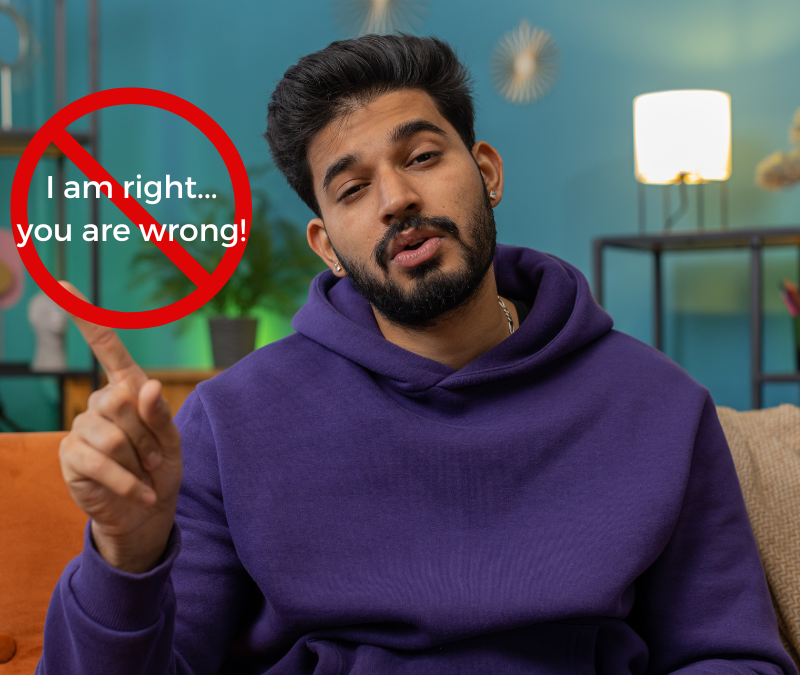
Do You Need to Be Right? Finding Harmony Over Winning

Do You Need to Be Right? Finding Harmony Over Winning

Is Being Right Worth the Fight? Choose Harmony Instead


At Maplewood Counseling, we provide inclusive care for people of all races, cultures, and backgrounds, including interfaith, interracial, BIPOC, LGBTQIA+, and blended families. Our therapists bring lived experiences and specialized training to create a safe, affirming space for all.

Do You Need to Be Right? Finding Harmony Over Winning

Does every disagreement feel like a battle you have to win? Do you find yourself arguing points just to prove you are correct, even if it hurts your partner’s feelings? If this sounds familiar, you aren’t alone.

Start Your Journey to Connection

Is Being “Right” Costing You Your Happiness?

We all have an innate desire to be understood and validated. It feels good to know that our perspective is accurate. However, when the need to be right becomes a compulsion, it can create a significant wedge in your relationships.

Constantly needing to be right often means someone else has to be “wrong.” This dynamic can turn a partnership into a competition, leading to resentment, distance, and a breakdown in communication.

Why Do We Hold On So Tight?

Understanding why we fight so hard to be right is the first step toward letting go. It is rarely about the topic at hand; usually, deeper emotional needs are driving the behavior.

1. Fear of Vulnerability

Admitting we are wrong can feel scary. It might feel like admitting weakness or incompetence. For many, being “right” is a shield used to protect a fragile self-esteem.

2. A Need for Control

When life feels unpredictable, controlling a narrative or an argument can provide a false sense of security. It’s a way to feel safe in a chaotic world.

3. Seeking Validation

We often equate being “right” with being “worthy.” If I am right, I am smart, I am good, I am valuable. If I am wrong, I fear I might be rejected or seen as “less than.”

The Real Cost of Winning

Getting stuck in mental positions where you must be right has consequences.

  • Emotional Distance: Your partner may feel unheard or invalidated, causing them to withdraw emotionally.
  • Cycles of Conflict: Arguments become repetitive and draining because the goal is winning, not resolving.
  • Loss of Intimacy: It is hard to feel close to someone who is constantly correcting you or proving you wrong.

Remember, in a healthy relationship, you are on the same team. If one person “wins” and the other “loses,” the relationship loses.

Moving From Conflict to Connection

How do you break the cycle? It starts with a shift in perspective.

Choose Connection Over Correction

Ask yourself: “Would I rather be right, or would I rather be close?” Prioritizing the connection means validating your partner’s feelings, even if you disagree with their facts.

Embrace “We” Instead of “Me”

Shift your language. Instead of saying, “You are wrong,” try saying, “I see it differently, can you help me understand your view?” This invites collaboration rather than defense.

Accept Imperfection

We all make mistakes. Owning your errors doesn’t make you weak; it makes you human and relatable. Apologizing when you are wrong builds immense trust and respect.

Ready to Let Go and Reconnect?

You don’t have to navigate these patterns alone. If the need to be right is affecting your relationship, we are here to support you. Let’s work together to build a partnership based on mutual respect, understanding, and deep connection.

Frequently Asked Questions


Is it wrong to stand up for my opinion?

Not at all. Healthy relationships rely on both partners expressing their honest opinions. The problem arises when the need to be right overrides respect and empathy for your partner’s experience.

My partner always thinks they are right. What can I do?

It can be frustrating. Try to approach them with curiosity rather than criticism. Say something like, “I feel unheard when we argue this way. Can we try to understand each other’s feelings instead of debating the facts?” If the pattern persists, couples counseling can provide a safe space to navigate this dynamic.

Can therapy help us stop arguing about who is right?

Absolutely. Therapy helps uncover the root causes of this behavior—whether it’s insecurity, past trauma, or communication habits. We provide tools to help you disagree constructively and prioritize your bond over winning the argument.

How do I stop myself in the heat of the moment?

Mindfulness is key. When you feel that urge to correct or “win” bubbling up, take a deep breath. Pause. Ask yourself what you really need in that moment—is it validation? Reassurance? Communicate that need directly instead of fighting for the “win.”

Ready to Let Go and Reconnect?

You don’t have to navigate these patterns alone. If the need to be right is affecting your relationship, we are here to support you. Let’s work together to build a partnership based on mutual respect, understanding, and deep connection.

Waiting Too Long to Get Couples Counseling Can Be Problemtatic

Waiting Too Long to Get Couples Counseling Can Be Problemtatic

Why Couples Wait Too Long to Get Couples Counseling

Waiting too long can harm your relationship
Get Started

Why Waiting Too Long to Get Couples Counseling Can Harm Your Relationship

Introduction

In the hustle and bustle of modern life, many couples find themselves facing relationship challenges. However, a common issue that often goes unnoticed is the tendency to wait too long before seeking couples counseling. This delay can have significant impacts on relationship health and overall well-being. In this blog post, we will explore why couples often postpone getting help, the dangers of waiting, and the benefits of seeking timely intervention.

Emotional Barriers to Seeking Help

One of the primary reasons couples delay counseling is emotional barriers. Feelings of shame, guilt, or fear can prevent individuals from admitting that their relationship needs help. Many people worry about being judged or believe that seeking help is a sign of weakness. However, acknowledging these emotions and overcoming them is the first step toward improving relationship health.

The Fear of Judgment

Couples often fear that friends, family, or even their partner will judge them for seeking counseling. This fear of judgment can be overwhelming and paralyzing, preventing them from taking the necessary steps to address their issues. It’s essential to remember that seeking help is a courageous act that shows a commitment to the relationship.

Guilt and Self-Blame

Feelings of guilt and self-blame can also play a significant role in delaying counseling. Individuals may feel responsible for the issues in the relationship and believe they should be able to fix them on their own. This mindset can lead to prolonged suffering and further damage to the relationship.

Overcoming Emotional Barriers

Acknowledging and addressing these emotional barriers is crucial. Open communication with your partner about your feelings and concerns can help create a supportive environment where seeking counseling is viewed as a positive step toward growth and healing.

Social Stigma and Misconceptions

Social stigma and misconceptions about counseling can also contribute to delays in seeking help. Many people believe that counseling is only for “serious” problems or that it’s a last resort. These misconceptions can prevent couples from accessing the support they need.

Misunderstanding the Role of Counseling

One common misconception is that counseling is only necessary for couples on the brink of separation or divorce. In reality, counseling can be beneficial at any stage of a relationship. It offers tools and strategies for improving communication, resolving conflicts, and strengthening the bond between partners.

Addressing the Stigma

Challenging social stigma involves educating ourselves and others about the benefits of counseling. Sharing positive experiences and success stories can help normalize the idea of seeking help and encourage more couples to take proactive steps.

The Importance of Early Intervention

Early intervention can prevent minor issues from escalating into significant problems. By seeking counseling early, couples can develop healthy communication patterns and conflict resolution skills, reducing the likelihood of long-term difficulties.

Practical Obstacles and Scheduling Conflicts

Another reason couples delay counseling is practical obstacles, such as busy schedules, financial concerns, and childcare responsibilities. These challenges can make it difficult to prioritize counseling sessions.

Balancing Busy Schedules

Finding time for counseling can be challenging, especially for couples with demanding careers or family responsibilities. However, viewing counseling as an investment in the relationship can help prioritize it amidst a busy schedule.

Addressing Financial Concerns

Financial concerns can also be a barrier to seeking counseling. Many couples worry about the cost of sessions and whether they can afford it. Exploring options such as sliding scale fees, insurance coverage, or community resources can make counseling more accessible.

Overcoming Practical Obstacles

Creating a plan to address practical obstacles can make counseling more feasible. This might involve coordinating schedules, budgeting for sessions, or arranging childcare. Remember, investing in relationship health is invaluable.

The Dangers of Waiting Too Long

Waiting too long to seek counseling can have serious consequences for relationship health. Issues that could have been resolved with early intervention may become deeply entrenched, leading to increased conflict and emotional distance.

Worsening Relationship Dynamics

Over time, unresolved issues can erode trust and intimacy in a relationship. Negative patterns of communication and behavior can become ingrained, making it harder to break free from them without professional help.

Mental Health Implications

The stress and strain of ongoing relationship problems can take a toll on mental health. Anxiety, depression, and other mental health issues can arise or worsen when couples do not address their relationship challenges.

Impact on Overall Well-being

The quality of our relationships significantly impacts our overall well-being. Neglecting relationship health can lead to increased stress, reduced life satisfaction, and even physical health problems.

Case Studies and Expert Opinions

Real-life case studies and expert insights highlight the importance of seeking early intervention. Relationship experts agree that addressing issues promptly can lead to better outcomes and long-term relationship satisfaction.

Real-life Examples

Consider the story of John and Jane, who waited years before seeking counseling. By the time they sought help, their communication had deteriorated, and they struggled to rebuild trust. In contrast, Sarah and Mike sought counseling early and quickly learned effective communication skills that strengthened their bond.

Insights from Relationship Experts

Experts emphasize the value of early intervention. Dr. Emily Cook, a licensed marriage and family therapist, explains, “Early counseling can help couples develop positive communication patterns and prevent minor issues from escalating.”

The Power of Proactive Steps

Taking proactive steps by seeking counseling early can transform relationships. Learning to address issues constructively and build on strengths creates a foundation for a healthy, fulfilling partnership.

Benefits of Seeking Counseling Early

Seeking counseling early has numerous benefits for couples. It enhances communication, improves relationship satisfaction, and provides valuable conflict resolution skills.

Improved Communication

Effective communication is the cornerstone of a healthy relationship. Counseling provides couples with tools to express their needs, listen actively, and understand each other’s perspectives.

Increased Relationship Satisfaction

Couples who seek counseling early often report higher levels of relationship satisfaction. Addressing issues and building a stronger connection leads to a more fulfilling partnership.

Enhanced Conflict Resolution Skills

Counseling teaches valuable conflict resolution skills, helping couples handle disagreements constructively. These skills contribute to long-term relationship stability and harmony.

Advice for Couples Considering Counseling

If you’re considering counseling, here are some practical tips to help you take the first steps.

Recognizing the Signs

Recognize the signs that counseling may be beneficial. Frequent arguments, communication breakdowns, and feelings of distance are indicators that professional help could be valuable.

Open Communication

Discuss the idea of counseling openly with your partner. Express your concerns and the benefits you believe counseling could bring to your relationship.

Taking the First Step

Taking the first step can be the hardest part. Research counselors in your area, reach out for recommendations, and schedule an initial session to see if it’s a good fit for both of you.

Conclusion

In conclusion, waiting too long to seek couples counseling can have detrimental effects on relationship health. By addressing emotional barriers, challenging social stigma, and overcoming practical obstacles, couples can take proactive steps toward a healthier, more fulfilling relationship. Early intervention through counseling offers improved communication, increased relationship satisfaction, and valuable conflict resolution skills. Prioritizing your relationship health is essential for long-term happiness and well-being. If you recognize the signs that counseling may be beneficial, don’t wait—take that first step toward a stronger, more connected partnership today.

If you need help getting started woring on your relationship issues, get in touch.

Get in touch now with Maplewood Counseling

5 Things Successful Relationships Have in Common


Is Your Relationship Over? How to Know & What to Do Next

Is Your Relationship Over? How to Know & What to Do Next

Is It Over? Navigating the Painful Question of Your Relationship’s Future


Anger Management Counseling at Maplewood Counseling

By Debra Feinberg, LCSW, Robert Jenkins, LCSW (Reviewed by Senior Level Therapists)

There is perhaps no more difficult question to ask yourself than, “Is my relationship over?” The thought alone can be overwhelming, bringing with it a wave of sadness, fear, and confusion. You may find yourself replaying arguments, searching for the warmth you once shared, and wondering if the growing distance between you and your partner is a temporary phase or a final chapter.

If you are reading this, please know that your uncertainty is valid. It takes immense courage to confront these feelings. Many couples arrive at this crossroads, feeling lost and unsure of the path forward. The pain of feeling disconnected from the person you love is profound, but you do not have to navigate it alone.

This guide offers a different perspective. Instead of just listing signs, we will explore the deeper emotional currents beneath them. Our goal is to provide clarity and compassion, helping you understand what is happening in your relationship so you can make empowered, thoughtful decisions about your future—whether that means finding a way back to each other or preparing to move forward separately.

Beyond the Obvious: Looking Deeper at Relationship Distress

When a relationship is struggling, the issues often seem obvious: you argue more, you don’t talk like you used to, and intimacy feels like a distant memory. But what do these signs really mean? Let’s explore the underlying emotional dynamics that signal a relationship is in crisis.

The Shift from “We” to “Me”

A healthy relationship operates on a foundation of “we.” Decisions, both big and small, are made with the partnership in mind. A significant warning sign is when that collective mindset dissolves and is replaced by a focus on individual survival.

Do you find yourself making future plans without instinctively including your partner? Do you use “I” more than “we” when thinking about your goals, dreams, and even daily problems? This mental and emotional separation often precedes a physical one. It suggests that, on a subconscious level, you may have already started to emotionally detach from the partnership to protect yourself from further hurt.

How to Explore This: Gently ask yourself, “When I picture my life in five years, is my partner clearly in it?” The answer can be a powerful indicator of where your heart truly lies.

The Loss of Emotional Generosity

In strong relationships, partners tend to give each other the benefit of the doubt. If one person is late, the other assumes there was traffic, not that they are inconsiderate. This is called having a positive perspective or emotional generosity.

A key sign that a relationship is failing is when this generosity disappears and is replaced by a consistently negative perspective. Every action is interpreted through a lens of suspicion or annoyance. A forgotten chore is not just an oversight; it’s proof that your partner doesn’t care. This constant state of negativity is emotionally exhausting and makes it nearly impossible to feel safe or loved.

How to Explore This: Pay attention to your immediate thoughts about your partner’s actions. Are you assuming the best or bracing for the worst? This pattern reveals the level of trust and goodwill left in your emotional bank account.

Apathy: The Opposite of Love Isn’t Hate

Many people believe that frequent fighting is the worst sign for a relationship. While constant conflict is damaging, apathy is often far more dangerous. Anger, frustration, and sadness are all signs of engagement. They show that you still care enough to feel something intensely.

Apathy, however, is the sound of giving up. It’s the quiet indifference when your partner tries to start an argument, the lack of interest in their day, and the absence of joy in their successes. When you no longer have the energy to fight for the relationship—or even about it—it often means the emotional connection has been severed.

How to Explore This: Consider how you feel when your partner is upset. Do you feel a pull to connect and resolve it, or do you feel a profound sense of exhaustion and indifference? Apathy is a quiet alarm that should not be ignored.

Fantasizing About a Life Without Them

It’s normal to have fleeting thoughts about what life might be like if you were single. However, a significant red flag is when these thoughts become a detailed and recurring fantasy that brings you a sense of relief or peace.

If you find yourself consistently daydreaming about a different apartment, a life without constant arguments, or the freedom to live on your own terms, it’s a sign that your subconscious is actively seeking an escape route. This mental rehearsal is a way of emotionally preparing for a potential separation, making the idea feel less scary and more desirable.

How to Explore This: When you imagine a life without your partner, what is the dominant feeling? Is it fear and loss, or is it a sense of calm and relief? Be honest with yourself about what this emotional reaction is telling you.

What Now? Taking the Next Step with Clarity and Support

Recognizing these signs in your relationship can be heartbreaking. It’s crucial to approach this moment not with panic, but with thoughtful intention. You have options, and there is support available.

Discernment Counseling: A Path to Clarity
If you are on the brink of separation but are not 100% sure it’s the right path, Discernment Counseling can be an invaluable resource. Unlike traditional couples therapy, its goal is not to fix the relationship, but to help you and your partner gain clarity and confidence in a direction. Over a few focused sessions, you can decide whether to try to reconcile, move toward separation, or take a time-out and decide later.

Couples Therapy: An Opportunity to Rebuild
If both you and your partner see the warning signs and have the motivation to fight for the relationship, couples therapy can provide a structured path to healing. A therapist can help you untangle negative cycles, rebuild trust, and learn new ways to communicate and connect. It offers a chance to see if the bond can be repaired and made stronger than before.

Individual Therapy: Support for Your Journey
Whether you decide to stay or go, you will need support. Individual therapy provides a safe, confidential space for you to process your grief, explore your feelings, and plan for your future. It’s a space that is entirely for you, helping you navigate one of life’s most difficult transitions with strength and self-compassion.

No matter how lost you feel right now, there is a path forward. Acknowledging the problem is the first, most courageous step toward finding your way to a more peaceful future.

Frequently Asked Questions (FAQs)

How do I know if we’re just in a rough patch or if it’s really over?
A rough patch is typically tied to a specific stressor (like a job loss or new baby) and is temporary. The signs that it might be over are more about a fundamental shift in your feelings, such as persistent apathy, a loss of respect, or a consistent feeling of relief when you imagine life without your partner.

My partner doesn’t want to go to therapy. What can I do?
This is a very common and difficult situation. You cannot force your partner to participate. However, you can start by going to individual therapy for yourself. It can provide you with the support and clarity you need to handle the situation, and sometimes, one partner’s positive change can inspire the other to join the process.

Can a relationship come back from feeling completely disconnected?
Yes, it is possible, but it requires commitment from both people. If both partners are willing to do the hard work of looking at their patterns, communicating vulnerably, and learning to reconnect, even deeply disconnected relationships can be revitalized. It is not easy, but it is possible.

What is the first step I should take if I think my relationship is over?
The first step is to seek a quiet space for self-reflection. Avoid making impulsive decisions in the heat of an argument. Consider speaking with a trusted friend or a professional therapist to talk through your feelings. Getting an outside perspective can be incredibly helpful in organizing your thoughts.

Helpful Resources

Guide to Coping With Relationship Problems During Pregnancy

Forgiveness in Relationships: How to Heal & Reconnect

Forgiveness: The Hardest and Most Healing Choice


Forgiveness in Relationships: How to Heal and Reconnect

In every relationship, no matter how strong, there will be moments of hurt. A broken promise, a thoughtless word, a betrayal of trust—these wounds can leave deep scars. When you are hurt by the person you love most, the pain can feel overwhelming, creating a chasm of anger and resentment between you. It can feel like the only way to protect yourself is to hold onto that anger, to never forget what happened. But what if holding on is what’s keeping you stuck?

This is where the practice of forgiveness comes in, and it is often profoundly misunderstood. Forgiveness is not about saying, “What you did was okay.” It is not about forgetting the pain or erasing the past. Forgiveness is a personal, powerful choice to release the grip that resentment has on your heart. It is the first step toward healing, both for yourself and potentially for your relationship.

This guide will explore the challenging but transformative journey of forgiveness and reconciliation. We will untangle what these words really mean, explore the path to healing, and offer practical steps to help you decide what comes next after a deep hurt.

Forgiveness and Reconciliation: What’s the Difference?

Though often used together, forgiveness and reconciliation are two very different processes. Understanding this distinction is the key to navigating the path forward after a betrayal.

Forgiveness is an internal process. It is a solo journey. It is about you and your healing. When you forgive, you make a conscious decision to let go of the anger and the desire for retribution that are weighing you down. You can forgive someone completely without ever speaking to them again. It is an act of self-liberation, freeing you from a painful past so it no longer controls your present.

Reconciliation is an interpersonal process. It is a journey for two. It is the collaborative act of rebuilding a relationship after trust has been broken. Reconciliation can only happen after forgiveness, but forgiveness does not automatically lead to reconciliation. It requires both partners to be willing to do the hard work of repairing the bond, taking accountability, and creating a new, stronger foundation together.

The Power of Forgiveness: A Gift You Give Yourself

Holding onto a grudge can feel like drinking poison and waiting for the other person to get sick. It keeps your body in a state of high alert, flooding you with stress hormones and draining your emotional energy. The long-term effects can be damaging, leading to anxiety, depression, and even physical health problems.

Choosing to forgive is choosing to prioritize your own well-being. It is the act of putting down a heavy burden you were never meant to carry.

Real-life example:
After Taylor discovered that their partner, Jordan, had been hiding a significant amount of debt, they were consumed by anger and a sense of betrayal. Every interaction was tense. Taylor couldn’t sleep, felt constantly anxious, and replayed the discovery over and over. After several months, Taylor realized the anger was hurting them more than anyone else. Through therapy, Taylor began the process of forgiveness—not to excuse Jordan’s actions, but to release the emotional poison that was consuming their life. This allowed Taylor to think clearly and decide on the future of the relationship from a place of peace, not rage.

The Path to Forgiveness: Practical Steps

Forgiveness is a process, not a switch you can flip. Be patient and compassionate with yourself.

  1. Acknowledge the Pain: Allow yourself to feel the full spectrum of your emotions—anger, sadness, hurt, confusion. Write them down. Talk to a trusted friend. Don’t rush past this step. Your feelings are valid.
  2. Understand, Don’t Excuse: Try to see the situation from a broader perspective. What fears or insecurities might have driven your partner’s actions? This is not about letting them off the hook; it’s about depersonalizing the hurt so it loses some of its power.
  3. Make the Choice: Forgiveness is a conscious decision. You can say to yourself, “I am choosing to let go of this resentment for my own peace.” You may have to make this choice many times a day until it begins to feel real.
  4. Release the Burden: Find a ritual to symbolize this release. You might write a letter to your partner expressing all your feelings and then burn it, or visualize the anger as a heavy backpack that you consciously take off and leave behind.

Reconciliation: Rebuilding the Bridge, Together

If you choose to forgive and also want to repair the relationship, the journey of reconciliation begins. This path requires immense courage, vulnerability, and commitment from both partners.

Reconciliation is not about going back to the way things were. The old relationship is gone. This is about co-creating a new relationship—one that is stronger, more honest, and more resilient than before.

Steps to Rebuilding a Broken Bond

This journey must be taken together, with both partners fully invested in the process.

  1. Full Accountability: The person who caused the hurt must take full, sincere responsibility for their actions. This means no excuses, no “but you did…”, and no minimizing the impact of their behavior. A genuine apology acknowledges the pain caused.
  2. Create a Safe Space for Dialogue: Both partners need to be able to express their feelings without fear of blame or defensiveness. This often requires setting ground rules for difficult conversations, like taking breaks when emotions get too high.
  3. Establish a Plan for Change: How will you prevent this from happening again? Together, you must identify what needs to change. This could involve new boundaries, more transparent communication, or seeking therapy to address underlying issues.
  4. Rebuild Trust Through Action: Trust is not rebuilt with words; it is rebuilt with consistent, trustworthy actions over time. The person who broke the trust must be patient and understand that earning it back is a marathon, not a sprint.
  5. Focus on Reconnection: Intentionally create new positive memories together. Make time for shared joy, affection, and intimacy. This helps to balance the scales and reminds you both why you fell in love in the first place.

When Reconciliation Is Not the Right Path

It is crucial to recognize that reconciliation is not always possible or healthy. If the hurtful behavior is part of a pattern of abuse, if your partner is unwilling to take responsibility, or if you feel consistently unsafe, forgiveness may be a journey you must take on your own for your own healing, without rebuilding the relationship.

Navigating these incredibly complex and painful situations can feel impossible alone. A compassionate therapist can provide a neutral, safe space to help you process your feelings, explore your options, and determine the healthiest path forward for you and your future.

You do not have to walk this path alone. If you are struggling to find your way through the pain of a broken trust, we are here to help guide you.

Frequently Asked Questions (FAQs)

How long does it take to forgive someone?
There is no timeline for healing. It can take weeks, months, or even years. The process is unique to each individual and each situation. The goal is progress, not perfection. Be kind and patient with yourself.

Can a relationship ever truly recover from infidelity?
Yes, many relationships can and do recover from infidelity, but it is one of the most difficult challenges a couple can face. It requires radical honesty, deep empathy, and a profound commitment from both partners to rebuild the foundation of the relationship. Professional guidance is often essential in this process.

What if I’m the one who needs to be forgiven?
Start by taking complete ownership of your actions. Offer a sincere, heartfelt apology without any excuses. Then, listen. Listen to your partner’s pain without defending yourself. Ask them what they need from you to feel safe again, and then commit to doing that work, no matter how long it takes.

My partner keeps saying “I forgive you,” but then they bring it up in every argument. Is that real forgiveness?
This is a sign that the hurt has not been fully processed. While your partner may want to forgive, the pain and resentment are still close to the surface. It may mean more conversations are needed to truly address the impact of the original hurt so that you can both move forward without the past being used as a weapon.


Helpful Resources

Guide to Coping With Relationship Problems During Pregnancy

Is It Emotional Manipulation? Signs & How to Heal

Recognizing Emotional Manipulation and How to Reclaim Your Power

Is It Emotional Manipulation? Signs & How to Heal

By Debra Feinberg, LCSW, Robert Jenkins, LCSW (Reviewed by Senior Level Therapists)

Healthy relationships are rooted in trust, respect, and open communication. Yet sometimes, relationship dynamics shift in ways that leave individuals feeling confused, anxious, or constantly questioning themselves. You might start to feel responsible for another person’s well-being, doubt your own memories of events, or find yourself always on edge. These unsettling feelings can be signs of emotional manipulation—a subtle but potent form of control that undermines self-esteem and the health of any partnership.

Recognizing emotional manipulation is an essential step toward safeguarding your well-being. It can be difficult to notice, especially when you deeply care about the other person or people involved. It’s natural to want to believe in others’ good intentions, which can lead to overlooking behaviors that slowly diminish your confidence. Understanding these tactics is not about assigning blame. Rather, it’s about equipping yourself with knowledge so you can nurture healthier, more authentic connections.

What is Emotional Manipulation?

Emotional manipulation is a pattern where someone uses subtle, often indirect tactics to sway or control another person’s emotions and actions for their own benefit. Unlike open communication, manipulation is masked and frequently deceptive. The person using these tactics aims to create a sense of imbalance, leaving the other person feeling unsteady and unsure.

These behaviors can be hard to identify because they may appear as care or concern. Over time, experiencing emotional manipulation can lead to persistent self-doubt, anxiety, depression, and a loss of your sense of self. Awareness is a powerful step toward protection and healing.

Common Tactics of Emotional Manipulation

Manipulative behaviors can be subtle and may follow familiar patterns. Recognizing these tactics can help you understand your relationships more clearly and support you in making choices that honor your emotional health.

Gaslighting

Gaslighting is a harmful form of manipulation where someone causes another person to question their reality or memories. This might look like denying something was said, twisting your words, or insisting that certain events never happened.

  • Examples: “You’re being too sensitive.” “That’s not how it happened, you’re remembering it wrong.” “I never said that.”

Guilt-Tripping

This tactic involves using guilt to influence behavior. You might feel responsible for someone else’s emotions or misfortunes, leading you to go along with their wishes—sometimes at the expense of your own needs.

  • Examples: “If you really cared about me, you would do this for me.” “I guess my feelings just don’t matter to you.”

Playing the Victim

Individuals may present themselves as the one who is always wronged, in order to gain sympathy or avoid accountability. By adopting a victim role, they can deflect responsibility and make others feel guilty for expressing concerns.

  • Examples: “You’re right, I’m always the bad one.” “After everything I’ve done, this is how I’m treated?”

Withholding Affection or Giving the Silent Treatment

When requests or wishes aren’t met, emotional support, affection, or communication may be withheld as a form of punishment. This can create anxiety and a strong desire to restore the connection, reinforcing the manipulator’s sense of control.

The Difference Between Healthy and Manipulative Relationships

Recognizing what a healthy relationship looks like can help bring manipulative patterns into focus.

  • Communication: Healthy connections allow everyone to express thoughts and feelings openly and honestly, even when there are disagreements. In manipulative dynamics, individuals may be afraid to speak up because of possible negative reactions.
  • Respect: Mutual respect forms the foundation of strong relationships—valuing each other’s opinions, feelings, and boundaries. Manipulation often involves consistently overlooking others’ needs and emotional well-being.
  • Support: In nurturing relationships, support is freely offered. In manipulative dynamics, support can be used as leverage and withdrawn if expectations aren’t met.

How to Address Emotional Manipulation and Heal

Recognizing these patterns in your relationships or interactions can feel overwhelming, but know that you have options and support.

Set Clear Boundaries
Boundaries exist to protect every person’s emotional and mental health. Communicate your limits calmly and clearly. For example: “I’d like to continue talking when we can be respectful to each other, but I’m not comfortable if the conversation becomes hurtful.”

Seek Support
You don’t have to face these situations alone. Reaching out to trusted friends, loved ones, or professional therapists can offer affirmation, help you gain clarity, and remind you that your feelings matter.

Focus on Your Well-Being
Emotional manipulation can impact self-worth. Engage with hobbies and communities that bring you joy, and practice self-compassion. Remember your value is not defined by others’ treatment of you.

Consider Professional Help
Therapy can create a safe space for you to process your experiences and develop effective strategies for moving forward. Whether you attend individually or with a partner, therapy can empower you to rebuild confidence, set healthy boundaries, and heal from the impact of manipulation.

Frequently Asked Questions (FAQs)

Can someone be emotionally manipulative without realizing it?
Yes, sometimes people learn manipulative behaviors from their upbringing or past relationships and may not be fully aware of the impact of their actions. However, whether the intent is conscious or not, the behavior is still harmful and needs to be addressed.

What if I’m the one who is being manipulative?
Self-awareness is a powerful first step. If you recognize some of these behaviors in yourself, therapy can be an incredible tool for change. A therapist can help you understand the root of these actions and learn healthier ways to communicate your needs and relate to others.

Can a manipulative relationship be saved?
It depends on the willingness of both partners to change. The person exhibiting manipulative behavior must be willing to acknowledge their actions and commit to working on healthier communication styles. It often requires professional guidance from a couples counselor to help transform the dynamic.

How do I leave a relationship that is emotionally manipulative?
Leaving can be difficult, especially if your self-esteem has been worn down. Creating a support system is key. Confide in trusted friends or family, and consider working with a therapist to create a safety plan and build the strength you need to move forward.

Take the First Step Toward Healthier Relationships

You deserve to be in a relationship where you feel safe, respected, and valued. Recognizing and addressing emotional manipulation is a brave and transformative step toward reclaiming your power and emotional well-being.

If you are struggling in a manipulative dynamic and need guidance, our compassionate therapists are here to help. Contact us today to learn how we can support you on your journey to healing and building the healthy connections you deserve.

Helpful Resources