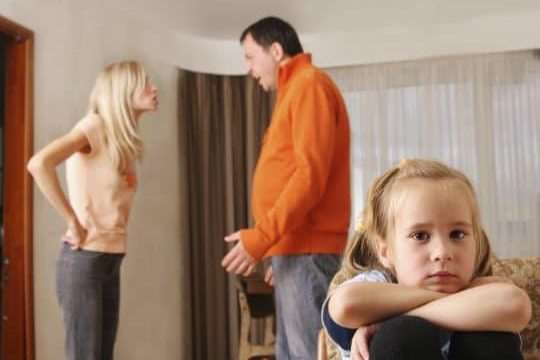
Wondering the best ways to be there for a family member that is going through a hard time? Maybe you’re not clear on how what to do if a spouse, partner or child needs support. For that reason, there are some helpful things you can do to help a loved one going through a hard time.
Maybe you think it is best to try to “fix” their emotional or physical pain. Seems like some advice or suggestions about what will help is what he or she needs. Certainly, it’s not easy to when someone you love is suffering. Even more, it feels pretty awful to feel so powerless when a family member struggles.
Best Ways to Be There
First of all, one of the best ways to be there is to be present and listen. So, allowing your loved one to talk and share without interruption will help. Secondly, you can ask what if there is anything you can do rather than offer advice. Because most people just want someone to listen and make it safe to share.
In contrast, how can you really be there when someone is struggling and not open to help. After all, some men, women and children do not want to talk. Whether he or she is suffering with depression, anxiety, some people are not open to help. Therefore, you have to know what to do with your own fear, feeling of powerlessness and emotional pain. Certainly, these situations are incredibly painful.
Getting Help for Your Own Feelings and Fear
There is something that will help deal with fear, worrying, judgment and struggle with acceptance of your circumstance and what your loved one is dealing with. Mindfulness is a very effective way of working with all of the thing that you can’t control and find more peace even in the most difficult circumstance. Furthermore, developing a better way of dealing with your own emotional and physical pain will help you manage all of life’s challenges.
If you want help developing the skill of mindfulness, get in touch.
You’re not alone if you struggle and fight about your parents or your spouses parents. Even if in-laws mean well, it doesn’t always translate into their actions.
So many couples struggle dealing with a mother-in-law or father-in-law. It can be so complicated and cause one spouse to feel like they’re in the middle and they want their partner to get along with their parent (s)
Easier said than done.Are you constantly hearing “you didn’t protect me”, “ you didn’t stand up for me me “, “Your mom or parents are awful to me and you say nothing”. Do you feel your wife or husband does things that offend your family? Do you fear saying something to your family even though you can understand what your spouse feels? Do you struggle understanding and see what your parents are doing that might bother your wife or husband? It does make sense if you are used to the way your parents do things and your spouse is not, then you might not really understand why they are having such a hard time. These situations are delicate and you can work through them so that there isn’t so much pain and anger and disconnect.
There are somethings you both can do to get better at understanding and being there for each other through these in-law ups and downs. Discussing in a safe place with a trained and experienced marital therapist (or coupes counselor) for starters. A place where you can get help listening and understand and validating the experience rather than defending against or arguing.
Get in touch if you’re having a lot of problems dealing with a mother-in-law or Other in law’s. It’s common in relationships and there is something you can do.
When you resort to constant criticism when you can’t get through and feel heard
If you feel like you don’t matter and are not important
Because you don’t feel safe enough emotionally to hang in there when one of you are upset and argue
If you hold back and do not share how you feel since it seems gets you nowhere
When you defend yourself instead of really trying to understand and listen to you partner’s concerns
Since you need help approaching rather than avoiding dealing with issues
Because you are not kind, empathetic and compassionate
The Disconnected Relationship
If you understand what makes it difficult it will help you do a better job in your relationship. Maybe there is a lack of awareness of how past experiences and role models are influencing the way relate today. So if you are both open and willing, you can get better at these very important things…listening, understanding, accepting, supporting and forgiving.
Most importantly, the very things that helps couples feel more connected are feeling important, safe, and comforted in times of need. Therefore, this is what will help improve communication, intimacy, heal from infidelity and many other difficult issues. Also this will hep you deal with parenting, in-law or other family conflict. Understanding your patterns and breaking habits will help you move in the right direction. It is not an instant process and takes work learn how be there (in ways your partner needs not what you think they need), be open (listen, reflect on the past to become more aware, and try to understand) , be honest (saying how your really feel in ways the other person will be more inclined to hear it) and be kind (see what makes it difficult to be kind, empathetic and compassionate) .
From disconnected relationship to secure, connected relationship.
If you are willing and open, you can work on the things that will make you feel more connected and “wanted”. It will be very worthwhile in connecting in your relationship in ways that feel good to both of you.
Need help making this happen? Are you both open to change? Get in touch and let us know. We’re here when you’re ready.
Feeling disconnected? A good marriage or couples therapist can help you figure out what to do if you stuck a painful situation. Whether you’re partnered for a short time or married over 20 years, an experienced therapist can help you if you are both open to it.
How can a good therapist help? By help you do learn to do a better job of listening, understanding and responding (rather than reacting) to your partner. When you realize you can’t do things on your own and have to change your approach, seeking help from the right couples therapist is important. If you’re open to it, counselling can help you learn to listen and understand in ways that you haven’t been able to achieve on your own.
Professional Marriage and Relationship Counseling
Does this sound familiar? You are
feeling alone and scared of losing your marriage or a relationship?
terrified your wife or husband because your spouse has emotionally checked out and is now asking for a divorce.
stuck in a bad place in your marriage or relationship.
feeling disconnected.
coping with online cheating, infidelity or an emotional affair.
upset because you asked your spouse or partner for counseling and he/she ignored your requests.
the one who has ignored your spouse or partner’s pleas for help from the couples therapist because you thought things were fine and now you realize ( and are feeling really scared) because they are not.
feeling like there’s only a sliver of hope left your marriage or relationship will survive.
When to Get Help
If you have come to accept that you cannot change certain things on your own, an experienced couples therapist can help. Are you willing to get help and to see what can be done before calling it quits? If you are in a bad place in your relationship, counseling can help you figure what to do.
The distance and disconnect a couple experiences – feeling alone and hopeless, is very painful. Can you reconnect and get to a better place?
If it is possible to reconnect, you can learn what will really help you bring down walls, listen, understand and give your partner what they really need (not assuming what you think they need). This applies with serious issues like infidelity and difficult arguments and communication problems. It does depend on each person and their willingness and ability to work through and heal that painful disconnect.
If you are in need of counseling, a good marriage or couples therapist can help you sort through and figure out your next step. If you’re looking for a couples therapist in New Jersey, get in touch.
Sometimes couples are having so many marriage problems they not only dislike one other, they sometimes hate each other. When you cannot feel understood, alone, abused or neglected, your marriage or relationship can start going to a very negative place.
At first in any new relationship, it seems so wonderful. So easy to fall in love, communicate and to get that connection. As time goes on, the way people get triggered by the other person increases. With those triggers comes more arguments, fights and conflict. In some cases, the result is a certain dynamic between the two of you that involves eater pursuing and pushing in an attempt to get what you need or withdrawing, shutting down, putting up a wall to protect yourself from feeling attacked.
Marriage Problems | What to do
Sometimes couples come in and one partner feels like their wife or husband actually “hates me”. I feel like I can’t do anything right and my spouse constantly criticizes me. She/he is always angry over the smallest things. When you are stuck in such a negative place/pattern, you will most likely need help getting out of it – otherwise the relationship is not going to make it. There’s just no way you can both exist feeling so much pain, which is at the heart of the problems anyway.
It’s good to become aware of what’s actually going on. To reflect in a different way on current issues and how issues from the past may be getting triggered. Many couples relive painful childhood experiences triggered by the other person. It’s good to be able to understand this in a different way – maybe you hate feeling the level of pain and that your partner triggers, but understanding what’s going on and what you both need is critical to developing a better connection.
Struggling with marriage problems? Do you need a marital therapist or relationship counselor to help you work on breaking your negative cycle to help you get to a better place?
If you’d like to sit down and discuss and a counseling session, feel free to get in touch and let us know how we can help.
Pornography and Marriage | How Porn Affects Relationships
Recent advances in technology have made pornography remarkably available; the days of X-rated theaters, adult bookstores, and video cassette rentals are long gone. What does this mean for our relationships? Many people have come to terms with porn, concluding that it is just part of society and brushing it off as if it is not a big deal at all. Others, on the other hand, feel distraught about this addictive, self-esteem shattering “hobby.”
The truth, like most things in life, it is neither black nor white; pornography can have negative or positive effects on a relationship. Here are a few insights on why people turn to pornography and how you can use porn to improve your relationship instead of destroy it. You may want to think twice before hiding your secret stash to avoid being caught by your significant other. According to recent studies, people who are upfront with their partners about watching pornography have better, happier relationships. According to Dr. Fran Walfish, “Being honest about pornography use with a partner indicates that the person is comfortable with their own sexuality and the things that sexually titillate, stimulate, arouse, and turn on their excitation.”
In relationships, honesty and openness between partners is what brings them closer together and helps to yield a happier relationship. On the other hand, when one of the two members choose to hide their porn use and keep it secret, Walfish explains that this could be seen as “betrayal and raise mistrust, suspicions, and put a wedge of distance between the partners.” Disclosing your secret porn use to your significant other is certainly not easy.
Partners who want to come clean about their use of pornography may not know how to begin to approach it.
Here are a few questions that Dr. Walfish suggests asking yourself:
1. Why did you keep in secret in the first place?”
2. Is it because your partner is inhibited and might judge you for this type of behavior?
3. Do you feel shame about your pornography usage?
The responses to these questions will help to assess if it will be easy to talk to a partner or spouse about these issues. In addition, while not everyone is the same, men and women tend to hold different views about pornography. According to Psychology Today, “Men and women tend to disagree on two issues: How porn is watched (alone, in groups, with a sexual partner); and how often it is watched.”
If you are in a relationship where you and your partner do not agree about the use of pornography, the following questions can help you understand your partner’s point of view. The partner who is in favor of porn, ask yourself…
1. Does watching porn cause trauma in my partner?
2. How does watching porn influence my day-to-day emotions and how does it cause me to approach my relationship.
3. When does watching porn harm my relationship?
The partner who is against porn, ask yourself…
1. Why does my partner’s participation in watching porn trigger trauma in me?
2. Why do I experience trauma from porn while others may not?
3. How do my feelings about my partner watching porn affect my relationship?
It is very important that both partners understand how the other feels about the use of porn and arrive at a mutually acceptable conclusion. The alternative can create significant problems. Among other things, partners who object to their mate’s use of pornography often experience fear, anxiety, a feeling of not belonging, and feeling emotionally on edge. The other partner, who wants to view porn but feels compelled to stop, may experience feelings of depression, anxiety, and loneliness, which lead to unhappiness and dissatisfaction.
If your relationship is stuck in the middle of this quandary, what can you do?
1. Two is better than one Couples who participate in viewing porn together and who come to a mutual agreement of what is acceptable and what is not, have much more satisfaction in their relationship because of the high levels of communication and honesty. According to Walfish, “When both partners are equally open sexually and emotionally pornography can be an ‘exciting wonderful foreplay’. Often, watching can stimulate ideas, themes, and scenarios that can elicit spontaneity and adventure for the couple.”
2. Honesty is the best policy Many of the negative feelings experienced by those who do not agree with watching pornography stem from the idea that doing so is akin to infidelity. According to reseachers Marley N. Resch and Kevin G. Alderson, “Female partners may find pornography to be a source of competition in that they may not be satisfying their partners’ needs.” Opening up the lines of communication can help address these concerns. However, it is important to address these issues as early as possible. Later disclosures about previously hidden porn use can not only affect trust, but also affect one partner’s sense of who it is they are with.
3. Ask For Help All these questions and feelings can be extremely hard for couples to navigate on their own. More often than not, it takes a skilled professional to assist with these issues by doing a thorough background history with each partner to help them assess both themselves and each other, preliminary to bringing them to a happier, healthier place in their relationship.
If you’re in New Jersey, call Maplewood Counseling at 973-793-1000 to help you and your partner begin this journey.