
Maplewood Counseling
LGBTQ+ Affirming & Gay Relationship Counseling in NJ

LGBTQ+ Affirming & Gay Relationship Counseling in NJ

LGBTQ Relationship Counseling in NJ at Maplewood Counseling

LGBTQ Relationship Counseling in NJ at Maplewood Counseling

Understanding and Supporting LGBTQ+ Relationships: Your Unique Journey

Real-Life Scenarios and Solutions

LGBTQ+ couples often face challenges that aren’t just about their relationship—like dealing with pressure from society, finding acceptance from family, or blending families with children. These situations can feel lonely or overwhelming, but you do not have to go through them by yourself. We’re here to help you face these obstacles together, supporting you every step of the way.

Here are a few real-life examples:

  • Societal Pressures:
    • Two partners felt unsure about coming out at work, worried about how it might affect them. In counseling, they talked about these fears, found ways to lean on people who support them, and worked together on building confidence to stay true to themselves while also protecting their relationship.
  • Family Acceptance:
    • A married lesbian couple felt hurt by unkind or subtle comments from one partner’s family. In therapy, they practiced setting boundaries and expressing what they needed in a caring but firm way. This helped them feel stronger together and more able to face family challenges as a united team.
  • Blended Families:
    • When a gay couple with children from previous relationships faced challenges over different parenting styles, therapy supported them in coming together, talking openly about their hopes for the family, and finding shared ways to care for their children. With time, their home felt more understanding and peaceful for everyone.

Every relationship needs love, trust, and honest communication to grow strong. But LGBTQ+ couples can also face challenges that are unique to them. You deserve support from someone who truly understands what you’re going through and respects your experiences. This is a safe place to talk about what makes your relationship special—and sometimes more complex. We’re here with warmth, experience, and a genuine desire to help you feel seen, heard, and supported every step of the way.

Embracing Your Relationship Structure

Your relationship is yours to define. It doesn’t matter if you are in a monogamous partnership, exploring an open relationship, or part of a polyamorous family—your chosen structure is respected and valued here. We’re here to help you create honest, caring conversations, set healthy boundaries, and support each person’s voice. Together, we’ll work with you and your partner(s) to:

  • Establish clear agreements and expectations.
  • Navigate feelings of jealousy or insecurity.
  • Foster open dialogue to ensure all partners feel heard and valued.

Co-Parenting with Pride and Purpose

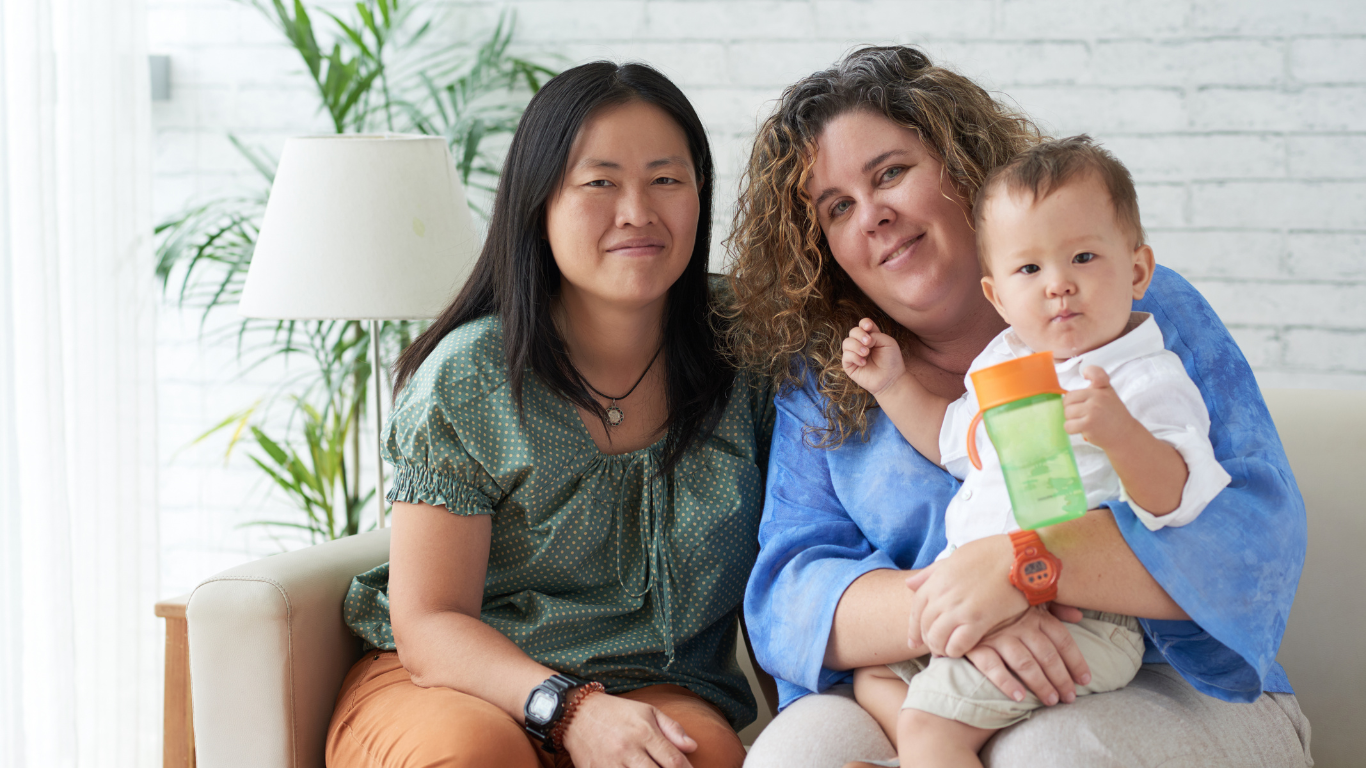
For same-sex couples, creating a family is often a journey filled with hope, effort, and pride. At the same time, there can be special challenges—like dealing with legal questions, or handling comments and curiosity from schools or other parents. We’re here to help you work together as a parenting team. We can talk about:

  • Defining parenting roles and responsibilities.
  • Creating a unified front when dealing with external biases.
  • Discussing how to talk with your children about your family’s unique story.

When the Outside World Comes In

Facing discrimination—whether it’s obvious or more hidden—can be really tough on your relationship. Maybe work doesn’t feel safe to be yourself, or family members make you feel unwelcome. Feeling like you have to always watch what you say or do can affect your well-being and how you connect with your partner. In counseling, you’ll find a safe space to talk openly about these outside pressures. We’ll help you and your partner support each other, strengthen your teamwork, and find ways to protect your relationship even when the world feels challenging.

Understanding Intersectionality: Your Whole Identity Matters

You are more than just who you love or how you identify. Your background, culture, faith, and life experiences all come together to shape you and your relationship. For example, a Black gay man may face different challenges than a white lesbian woman, and a trans person with a strong faith has their own unique journey.

We understand that all parts of your identity matter—not just your relationship status or how you identify, but your race, culture, beliefs, and background too. Our counseling welcomes every part of who you are. Here, you can talk openly about how your experiences shape your relationship, knowing you will be respected, understood, and accepted for all of who you are.

If you’re looking for support that honors every aspect of your life and love, we invite you to reach out today. Schedule a consultation and let’s move forward together, with care and understanding.

LGBTQ Therapist Maplewood Counseling

Gay Relationship Counseling

LGBT Therapist Maplewood NJ

LGBTQIA Couples Therapy

LGBTQ Therapist Maplewood NJ

Same Sex Marriage Counseling

Frequently Asked Questions


What should we expect in our first session?
Your first session is a chance for us to get to know each other. It’s a space where you and your partner can share your story, discuss the challenges you’re facing, and talk about your goals for your relationship. We’ll listen without judgment and explain our therapeutic approach. The main goal is to ensure you both feel comfortable, heard, and hopeful about the path forward.

How do you ensure a safe and affirming environment?
Creating a safe, non-judgmental, and affirming space is the cornerstone of our practice. Our therapists are trained in LGBTQ+ affirming care and are committed to understanding the unique experiences of our clients. We respect your identities, your relationship, and your privacy. From the language we use to the issues we explore, every aspect of our counseling is designed to make you feel respected and secure.

Do you have experience with LGBTQ+ issues?
Yes. Our therapists are very experienced with the diverse issues that can impact LGBTQ+ individuals and couples. This includes navigating societal or family pressures, coming out, building chosen families, and addressing the impact of discrimination. We understand that while many relationship challenges are universal, others are specific to the LGBTQ+ experience, and we are equipped to support you through them.

Can we discuss open relationships or non-traditional dynamics?
Absolutely. We provide a confidential and open-minded space to discuss all relationship structures, including open relationships, polyamory, and other forms of consensual non-monogamy. Our role is to help you and your partner(s) navigate these dynamics with clear communication, established boundaries, and mutual respect, not to judge them.

What if one partner is hesitant about therapy? It’s very common for one partner to feel uncertain or hesitant about starting therapy. We recognize this and work to create a low-pressure environment where both individuals feel equally heard and valued. Our initial sessions often focus on making sure both partners feel comfortable and addressing any concerns they may have about the counseling process itself. We believe therapy is most effective when it is a collaborative effort, and we invite you to take that first step together.

LGBTQ+ Friendly Resources & Local Community Support

Finding support beyond the counseling office can be an important part of your journey. Here are some LGBTQ+ friendly resources and local organizations that create inclusive, affirming spaces for individuals and couples:

Local Support Groups:

Legal Services for Same-Sex Couples:

Family Planning Resources:

Local Events & Organizations:

  • Maplewood & South Orange Pride Festival: Annual celebration featuring resources, performances, and community-building events.
  • SOMA Two Towns for All Ages: Inclusive programs supporting LGBTQ+ residents and allies of all generations.
  • LGBTQ Community Center at the South Orange Public Library: Workshops, book clubs, and meetups.

Let us know if you’d like more information about a specific resource or how to get involved locally. There is a vibrant, supportive network in the Maplewood and South Orange SOMA area ready to welcome you and your family.


Are you ready to take the next step for your relationship? Reach out to schedule a consultation or contact us if you have questions. We’re here to support you and your partner every step of the way.

Helpful Resources

If you have additional questions or want to take the next step, please don’t hesitate to reach out. Your well-being matters to us, and we are here for you every step of the way.


 

In a Polyamorous Relationship?

In a Polyamorous Relationship?

Polyamory & Open Relationships

Couples Therapy NJ

Contact Maplewoood Counseling

In a Polyamorous Relationship?

In a Polyamorous or Open Relationship?

Close to 20% of all people have had a non-monogamous relationships, according to an April 2016 article in the Journal of Sex and Marital Therapy. This includes an open marriage, open relationship, and polyamory, in which all partners agree that each may have romantic and/or sexual relationships with other partners. Many couples follow rules and agreements to cut down on potential problems and challenges.

Polyamory, which is a common type or non-monogamous relationship, means having more than one sexual or romantic partner, with all partners agreeing to certain rules for the arrangement. Unlike an open relationship where couples may date others and agree to only love each other, a polyamorous couple may agree to have sex outside the relationship and are open to loving multiple partners.

Struggling with a Non-monogamous Relationship? Does this sound familiar?

  • Your partner broke a rule and you feel upset or betrayed
  • You or your partner is struggling with jealousy and it causes arguments
  • You or you’re partner or others don’t have good boundaries
  • Quantity vs quality time issues
  • Comparing or being compared to other partners
  • You are ready for a change because you feel unhappy, but your partner is not
  • You have concerns about privacy and being outed
  • Your children are getting older and it’s harder to keep secrets

If you are struggling in an open or polyamorous relationship and need help navigating some issues, get in touch.


Contact Maplewoood Counseling

Fighting About Money

Fighting About Money

NJ Relationship Counseling
Couples Therapy

Contact Maplewoood Counseling

Fighting About Money in Your Relationship?

Are you struggling in your marriage or relationship with financial issues? Do you have conflict about your different approaches to saving and spending? Maybe your arguments have been leading nowhere?

A lot of couples argue about money.  For that reason, you both may feel angry and frustrated. When ongoing issues are not resolved, it can create more and more distance over time.  So what can you do?

Couples counseling can help you both move away from bickering and resolve you repeated arguments about money.

When You Feel Stuck Fighting About Money

Does this sound familiar?

one of you was a saver and the other is a spender.

there is a fear regarding financial security that isn’t fully understood and discussed.

one of you needs a lot of control to manage your anxiety and fear of financial insecurity.

you can’t stand that you can’t count on your spouse or partner in this way

you end up feeling alone and sad

Better ways to discuss, listen and understand

Issues regarding money that cause the most problems in relationships is having a very different approach and feelings about security. Possibly, one of you grew up in a family situation where money was really tight and there was obvious and ongoing financial struggle. So, if you went through some difficult experiences growing up, you may fear that same type of financial deprivation. As a result, you may be very controlling about money, which causes more problems.

In contrast, you may have grown up in a situation where your parents were not responsible with finances, or struggled with job loss, made irresponsible choices or dealt with other circumstances that were very challenging. Maybe, your roles models never valued money and did not teach you how to mange finances, create a budget or save money.

As a result, it’s important to really understand what’s at the heart of your arguments regarding money. In addition, communicating from this place of vulnerability can help both of you understand and work together more on issues related to finances.

If you keep getting stuck in this place and need help, get in touch


Contact Maplewoood Counseling

Ways You Might Be Causing Jealousy in Your Relationship

Ways You Might Be Causing Jealousy in Your Relationship

Ways You Might Be Causing Jealousy in Your Relationship


Reviewed by Debra Feinberg LCSW

At Maplewood Counseling, we provide inclusive care for people of all races, cultures, and backgrounds, including interfaith, interracial, BIPOC, LGBTQIA+, and blended families. Our therapists bring lived experiences and specialized training to create a safe, affirming space for all.

Causing Jealousy in Your Relationship

Jealousy can be a powerful and challenging emotion in any partnership. While often seen as a sign of insecurity, it can also be a response to certain actions, even if they are unintentional. Understanding how your behaviors might be contributing to your partner’s feelings is a crucial step toward building a more secure and trusting connection. It’s an opportunity to look at your interactions with empathy and see where small changes can make a big difference. Recognizing these patterns isn’t about placing blame; it’s about fostering awareness and strengthening the foundation of your relationship.

Navigating these feelings together can transform challenges into growth. Let’s explore some common ways you might be unintentionally causing jealousy and discuss how to address them with care and understanding.

Lack of Open Communication

When your partner doesn’t know what’s going on in your life, their mind might fill in the blanks, sometimes with worst-case scenarios. A lack of transparency about your day, your social plans, or your interactions with others can create a sense of unease.

How to Address It:
Make an effort to share details about your life proactively. You don’t need to provide a minute-by-minute report, but talking about your day, mentioning who you had lunch with, or sharing a funny story from work can close the information gap. This openness helps your partner feel included and secure, leaving less room for doubt to grow.

Giving Excessive Attention to Others

Whether it’s constantly liking and commenting on someone else’s social media posts or spending more time texting a friend than talking to your partner, giving excessive attention elsewhere can feel like a slight. It may signal to your partner that they are not your priority.

How to Address It:
Be mindful of where your attention goes, especially when you are with your partner. Put your phone away during shared meals or while watching a movie together. Ensure your interactions with others don’t overshadow the connection you have with your partner. The goal is to make your partner feel seen, valued, and prioritized.

Not Setting Clear Boundaries with Others

Friendships outside of your relationship are healthy and important. However, if the lines become blurry, it can create discomfort. A friendship that feels overly familiar, involves sharing intimate emotional details, or lacks clear boundaries can easily trigger feelings of jealousy.

How to Address It:
Work with your partner to establish clear and mutually agreed-upon boundaries for your friendships. This might involve discussing what level of communication is appropriate or deciding together what “crossing a line” looks like. These conversations empower your partnership and create a shared sense of safety.

Comparing Your Partner to Others

Making comparisons, even if meant as a joke or a casual comment, can be incredibly hurtful. Statements like, “My ex used to love doing this,” or “So-and-so’s partner is always…” can make your partner feel inadequate and insecure in their position in your life.

How to Address It:
Focus on celebrating your partner for who they are. Avoid making comparisons, whether positive or negative. Each relationship is unique, and honoring that uniqueness is key. Reinforce your appreciation for your partner’s specific qualities and the special bond you share.

Building Trust and Strengthening Your Bond

Addressing the root causes of jealousy is an act of love. It requires patience, empathy, and a willingness to see things from your partner’s perspective. By communicating openly, setting clear boundaries, and making your partner feel like a priority, you can create a safe space for connection. These efforts not only reduce jealousy but also build a resilient foundation of trust that can help your relationship thrive.

Every relationship faces challenges, but how you navigate them together defines your strength as a couple. By transforming these difficult moments into opportunities for growth, you can reignite your bond and build a more deeply connected partnership.

Frequently Asked Questions (FAQs)


1. Is jealousy always a bad thing in a relationship?
Jealousy is a natural human emotion, and a mild form can sometimes show that you care. However, when it becomes overwhelming, controlling, or persistent, it can be destructive to the relationship. The key is to understand its source and address it constructively.

2. My partner gets jealous, but I feel like I haven’t done anything wrong. What should I do?
It’s a difficult situation when your actions are misinterpreted. The first step is to listen to your partner’s feelings without becoming defensive. Try to understand their perspective and validate their emotions, even if you don’t agree. This can open the door to a productive conversation about what’s causing their insecurity and how you can work together to resolve it.

3. How can we set boundaries with others without offending our friends?
Setting boundaries is about protecting your relationship, not punishing your friends. You can communicate your boundaries kindly and firmly. For example, you might say, “I value our friendship, but I need to prioritize my time with my partner in the evenings.” It’s about being clear on what is and isn’t acceptable to maintain the health of your primary partnership.

4. What if my partner’s jealousy is due to their past experiences?
Past trauma or relationship experiences can certainly influence how a person feels in their current relationship. It’s important to be patient and compassionate. Encourage open dialogue about their fears and offer reassurance. In some cases, seeking professional support or couples counseling can provide a safe environment to work through these deeper issues.

Need Help with Indielity How do I get started?

Contact Maplewood Counseling to schedule an initial consultation if you are in a relartionship dealing with jealouisy.

Helpful Resources

  • Couples Therapy
    Find support for relationships with compassionate, evidence-based couples counseling tailored to your unique needs.
  • Individual Therapy
    Explore personal growth and emotional well-being in a confidential, supportive environment designed for individuals.
  • Family Therapy in NJ
    Strengthen family bonds and navigate life’s challenges together with our inclusive, family-focused therapy services.
  • A Guide to Parenting Teens
    Learn how infidelity counseling helps couples heal from betrayal.
  • Discernment Counseling
    Learn how to discerment counseling can help you find the best path forward with decisions to stay together or separate.
  • Contact Us
    Ready to take the next step or have questions? Connect with our team for guidance, scheduling, or more information. We’re here to help.

If you have additional questions or want to take the next step, please don’t hesitate to reach out. Your well-being matters to us, and we are here for you every step of the way.


Argue All the Time?


Argue All the Time?

Couples Counseling | Communication

New Jersey

Contact Maplewoood Counseling


 Do you argue all the time?

 
If you argue all the time, it can result in feeling emotionally drained, lonely, and angry.    For that reason, you might feel depressed and hopeless especially if you constantly get stuck in this place.
 
Even more, it can make you grow so far apart that you end up feeling alone and disconnected. Probably, you wonder if  it’s time to split up since you can’t break this pattern.
 

Learning to Listen

 
If you and your spouse are willing and open, you can learn how to connect in healthier ways. It will take listening, compromising, negotiating and getting better at controlling your own negative emotional reactions. On addition, It is important to make it safe enough so you both can express your true feelings and thoughts without fear of verbal insults, interruption, defensiveness and criticism.

Petty Arguments and Trivial Complaints

Petty arguments are usually about something deeper. Its never the small stuff that really matters and most couples know it.. So, understanding the feelings that get triggered under the arguments will help you both do a better job changing to create healthier communication.   Most importantly, knowing how to heal will include listening, understanding, accepting, supporting and forgiving one another to heal.
 
If you need help because you argue all the time, get in touch.

Contact Maplewoood Counseling

Counseling Couples in Crisis

Counseling Couples in Crisis

Counseling Couples in Crisis NJ

Marriage & Relationship Therapy

Maplewood Counseling

Contact Maplewoood Counseling

Counseling Couples in Crisis

Are you looking for a therapist that is experienced counseling couples in crisis? Even more, most couple want help with infidelity, conflict or a family or personal tragedy?  If not infidelity, maybe some maybe some other challenge are causing serious problems in your relationship.

As a result,  finding a licensed mental health professional, one who is skilled at counseling couples in crisis – is important. In addition, you can find ways better ways to reconnect.

Counseling Couples in Crisis

Couples in crisis are in a bad place for any number of reasons.

  • A family or personal tragedy
  • Complicated health issues of yourself or a family member
  • Infidelity or an affair
  • Conflict you cannot resolve on your own
  • Wondering if the relationship is worth saving

Any experienced and compassionate therapist understands how challenging life can be at times personally and in a relationship. In addition, infidelity or an affair, some type of online cheating or another type of trust or betrayal, can cause a crisis. Also, a family or personal tragedy or just feeling pretty disconnected, alone and unhappy in the relationship. Some couples really need help sorting through painful experiences to recover. Most importantly, this work can help couples find better ways to cope and reconnect.

If you need a professional trained in counseling couples in crisis, get in touch

Contact Maplewoood Counseling