
Am I Overreacting? Signs & Steps to Heal Your Relationship
Am I Overreacting? Signs and Steps to Heal Your Relationship
By Debra Feinberg, LCSW, Robert Jenkins, LCSW (Reviewed by Senior Level Therapists)
Have you ever asked yourself, “Am I overreacting?” Maybe this thought popped up after an argument with your partner or when you felt a big emotion over something small. Intense feelings can be lonely and confusing. You might pull away from your loved one or have trouble saying what you really feel. Remember, you are not alone, and your feelings are valid.
Everyone feels overwhelmed by emotions sometimes. But if you often have strong reactions, it can put a strain on your relationship, make communication harder, and leave you doubting yourself. Overreacting usually happens when you’re feeling anxious, dealing with old hurt, or haven’t learned the right ways to cope with your feelings.
This guide will show you six signs that you might be overreacting. Even more importantly, you’ll find simple, caring strategies you can use to handle these feelings. By noticing your emotional triggers and treating yourself with kindness, you can reconnect with your partner and turn challenges into opportunities to grow together.
Understanding Strong Emotional Reactions in Partnerships
When you are in a committed relationship, strong emotions can sometimes make it hard to connect with your partner. If one or both people have intense reactions, disagreements can get bigger, faster. This is often because people feel misunderstood or hurt.
Have you noticed more conflicts or feel a growing emotional distance between you and your partner? Strong reactions can get in the way of bonding and make it harder to feel close. Sometimes your mind and body are just trying to protect you, but this can end up pushing your loved one away. The first step is to notice these patterns without being hard on yourself. This sets you on the path to feeling more in control and having a healthier relationship.
6 Signs You Might Be Overreacting
It’s important to look at yourself with kindness. Having strong feelings doesn’t make you a bad partner—it just means you might need some extra support with handling emotions. Here are six signs that could mean you’re overreacting.
1. Your Emotional Responses Are Frequent and Intense
Do you often feel really strong emotions, even for small things? Maybe you cry when weekend plans change, or get very upset over a sudden comment. It’s normal to feel deeply, but if these reactions happen a lot or feel too intense, it could be a sign you’re overreacting.
When you feel your emotions getting really intense, try to pause before you react. Count to five or take a few slow, deep breaths. This simple step can help you calm down and handle the situation with more care, helping you and your partner feel safer and more connected.
2. It Is Hard to Calm Down After Feeling Triggered
Is it hard for you to calm down after you get upset? Maybe you keep thinking about a tough conversation hours or days later. In a relationship, staying upset for a long time can make it feel like the argument never truly ends for either of you.
If it’s hard for you to calm down, try grounding yourself with simple actions. Press your feet firmly against the ground or put your hands under cool water. These steps help your body feel safe again and make it easier for your mind to settle.
3. You Tend to Think in Catastrophic Terms
Overreacting often goes hand-in-hand with thinking the worst. This means you might jump to believing something small is actually a really big problem. For example, a forgotten chore might make you feel like your partner doesn’t care. A simple disagreement can leave you fearing that your relationship is in trouble. When you assume the worst-case scenario, your emotions get stronger. This makes it harder to talk things through and find a solution.
You can gently challenge these thoughts. Try asking yourself, “Is this really what’s happening?” or “What is most likely to happen here?” Looking at the situation in a more realistic way can help calm your emotions and make it easier to talk things through with your partner.
4. Your Reactions Strain Your Relationship
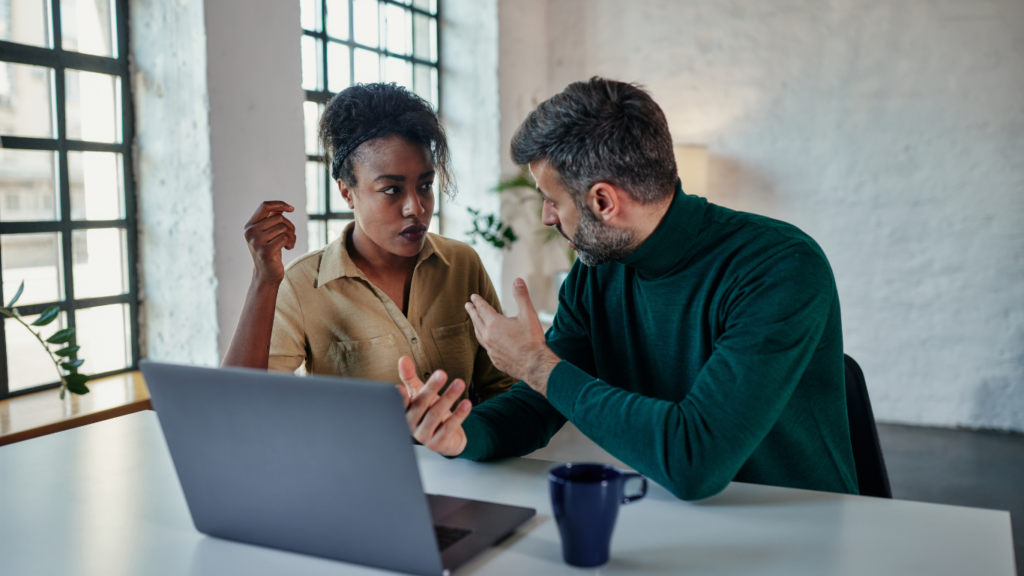
Have you noticed more tension in your relationship after strong emotional reactions? Overreacting can make people feel distant, even when that’s not your intention. Your partner might feel confused, hurt, or tired after these moments. Sometimes, they might even act carefully around you to avoid setting off another big response.
Talk openly with your partner about what you’re going through. Let them know you’ve had some strong reactions and that you want to work on this together. You could say, “I know my feelings have been a lot lately, and I’m trying to figure out why.” Honest, caring conversations like this help you both feel closer and build trust in your relationship.
5. Physical Symptoms Accompany Your Emotions
Strong emotions don’t just affect your thoughts—they can also show up in your body. You might notice your heart racing, sweating, tight muscles, or headaches when your feelings get really intense. These physical signs mean your body is under stress and needs some relief.
Try simple ways to help your body relax when you notice tension. You might take slow, deep breaths, gently tighten and release your muscles, or step outside for a short walk. These calming steps can ease the physical signs of stress. When your body feels more at ease, it’s easier for your mind to handle problems and talk things through with your partner.
6. You Constantly Doubt Yourself
A tough sign of overreacting is when you keep doubting yourself. Do you often wonder if your feelings were too much or say sorry for your emotions, feeling guilty afterward? This nonstop self-questioning can wear you down and lower how you feel about yourself.
The best way to quiet self-doubt is to practice being gentle with yourself. Remember, emotions aren’t good or bad—they’re just signals from your mind and body. Try talking to yourself like you would to a caring friend: offer kindness when you’re struggling, not criticism. You deserve the same comfort and understanding you’d give someone you care about.
Moving from Reaction to Emotional Connection
If some of these signs feel familiar, know that you are not broken. Learning to manage your emotions is a skill—one that anyone can build with patience and support. Here are some simple ways to start strengthening your emotional foundation.
Practice Journaling for Clarity
Writing down your thoughts and feelings can help make confusing situations clearer. Use a journal to note when and why your emotions get intense. Over time, you’ll notice patterns and triggers. Knowing what sets you off makes it easier to manage your reactions before things get out of hand.
Schedule Routine Check-Ins
Set aside some time each week to talk with your partner when you’re both calm. Ask simple questions like, “How are you feeling about us?” or “Is there anything you need from me?” Regular check-ins help catch small issues before they grow into bigger problems.
Seek Professional Guidance
Dealing with strong emotions can feel like too much, but you don’t have to figure it out by yourself. A caring therapist can help you find solutions that fit your life. Therapy gives you a safe, open place to talk about what you feel, understand why you react a certain way, and learn simple ways to communicate better.
Frequently Asked Questions About Emotional Overreactions
Is it normal to question if I am overreacting?
Yes, it is. Wondering if you are overreacting shows you are paying attention to how you act and care about your relationship. Asking these questions helps you tell the difference between reacting strongly because you’re upset and having a real emotional response when someone crosses a boundary.
How does overreacting impact intimacy and trust?
If you have a lot of emotional outbursts, your partner might not feel safe sharing their thoughts and feelings. They may start to hold back to avoid upsetting you, which can lead to less trust and distance in your relationship. Learning how to manage your reactions helps rebuild trust and brings you closer together.
Can therapy really help me overcome these intense emotions?
Yes. Therapy gives you clear, practical tools to understand what triggers your emotions and to cope in healthier ways. A good therapist will help you grow more empathy for yourself, challenge negative self-talk, and teach you simple steps for dealing with conflict. All of this can help you feel more steady and less overwhelmed by your emotions.
What is the very first step to stop overreacting in the moment?
The best first step is to give yourself a moment before you react. When you feel a strong emotion coming on, pause. Take three slow, deep breaths. You can say to your partner, “I need a minute to think,” and step away if you need to. This short break helps your thinking mind catch up with your feelings.
Do you offer virtual sessions for busy couples?
Yes, we do. We know that being comfortable and having flexible options matter when you’re seeking help. That’s why we offer both in-person and secure online sessions, so you can get support in the way that works best for you.
Take the Next Step Toward Healing
You deserve a life where you aren’t worn out by big emotional reactions. You deserve a relationship full of understanding, kindness, and calm. If you want to turn challenges into growth and build a stronger partnership, we’re here to support you every step of the way.
Get in touch today to book a session, or sign up for our newsletter for easy relationship tips and wellness advice. Your path to feeling more balanced and connected can start with one simple, brave step. We’re here to be a safe place for you and your partner.
Helpful Resources
- Individual Therapy: Personalized support for managing depression and stress.
- Understanding Anxiety: Learn how therapy can help manage anxiety.
- Grief Counseling: Support for processing loss and navigating grief.
- Guide to Self-Esteem: Build confidence and self-worth.
- Trauma-Informed Therapy: Support for Couples healing from past trauma.