What to Do When Your Life Falls Apart
When Your Life Falls Apart
What to Do When Your Life Falls Apart | Super Soul Sunday | Oprah Winfrey Network

Understanding How to Help a Jealous Spouse
Does your partner have good reasons to be jealous?
In these situations, a jealous spouse makes sense. Maybe things in your relationship have not been going well and you have found these other ways to cope with the problems. Ways that will understandably cause jealousy and problems. Maybe you have not been feeling connected to your wife or husband and want your space or distance. Maybe you argue or fight a lot and feel unhappy at home. It certainly isn’t easy for many families to manage work, kids and all the stressors of day to day life. Many timesrelationships suffer. But things will only get worse if you don’t work on improving your relationship and helping your spouse feel more secure. It will help if you find ways to reconnect in more positive ways and most couples You may need counseling make that happen.
Sometimes a jealous spouse is not easy to understand. You have never had an affair. You are faithful and do not flirt. You have no interest in anyone but your spouse. However, he or she still struggles with a great deal of insecurity. There are things you can do to help.
Instead of getting angry or defensive, try to respond in different ways. “I’m so sorry you’re feeling this way”, “the last thing I want you to feel is jealous”? “what can I do to help you feel more secure”? “what can I do to let you know you matter to me?” “what can I do so you feel how important you are to me?”
If you want to help your jealous spouse, it is important to understand and examine the things you’re doing that obviously make matters worse. Consider getting help to understand what’s missing and what you’re doing or not doing that can cause jealousy and trust issues. Creating a better connection in your relationship will help you give up the attention you’re seeking elsewhere.
If you haven’t been able to improve things on your own, it’s worth trying marriage counseling with an experienced marital therapist. We look forward to helping you both get to a better place.



In Essex County, New Jersey, families are like unique constellations, each with its own pattern of stars, light, and occasional darkness. When challenges arise, it can feel like your family’s balance is disrupted, affecting everyone. At Maplewood Counseling, we believe that every family unit, no matter its shape or size, possesses the strength to navigate these challenges together. Our approach to family therapy is rooted in collaboration and empowerment, creating a safe space where you can reconnect, communicate, and grow stronger as a team.
Is your family navigating a difficult chapter? Perhaps some of these situations feel familiar:
It’s common for families to face these hurdles. You don’t have to face them alone. Family therapy offers a supportive environment to transform these challenges into opportunities for growth and deeper connection.
Family therapy is different from individual counseling because it views the family as a whole system. Instead of focusing on one person as the “problem,” we look at the dynamics and relationships between everyone. The goal isn’t to assign blame but to empower each member to contribute to a healthier, more supportive family environment.
We see therapy as a collaborative process. Your therapist acts as a guide, helping your family:
Our practice is a welcoming space for all families, including single-parent households, blended families, LGBTQ+ families, and multi-generational homes. We are here to support your unique journey.
Q: What if one family member is hesitant to attend therapy?
A: This is a very common concern. Our therapists are skilled at creating a non-judgmental atmosphere where everyone feels comfortable and heard. Often, the most reluctant member finds the process rewarding once they experience the supportive environment. We can start with who is willing and work from there.
Q: Will the therapist take sides?
A: Absolutely not. The therapist’s role is to be a neutral facilitator who supports the entire family unit. Our goal is to ensure every voice is heard and to help the family find solutions that work for everyone, rather than siding with one individual.
Q: How long does family therapy typically last?
A: The duration of therapy varies depending on your family’s specific goals and challenges. Some families find resolution for a specific issue in just a few sessions, while others may benefit from longer-term support to work on more deep-seated patterns. We will tailor the approach to your unique needs.
Q: Our problems feel too big and complicated for therapy. Can you still help?
A: No problem is too big or too small for therapy. Complex challenges are often a sign that a family could truly benefit from professional guidance. We are trained to help you break down overwhelming issues into manageable steps, guiding you toward a path of healing and connection.
Your family has the power to transform its challenges into lasting strength and connection. If you’re ready to start building a more harmonious future together, we’re here to guide you.
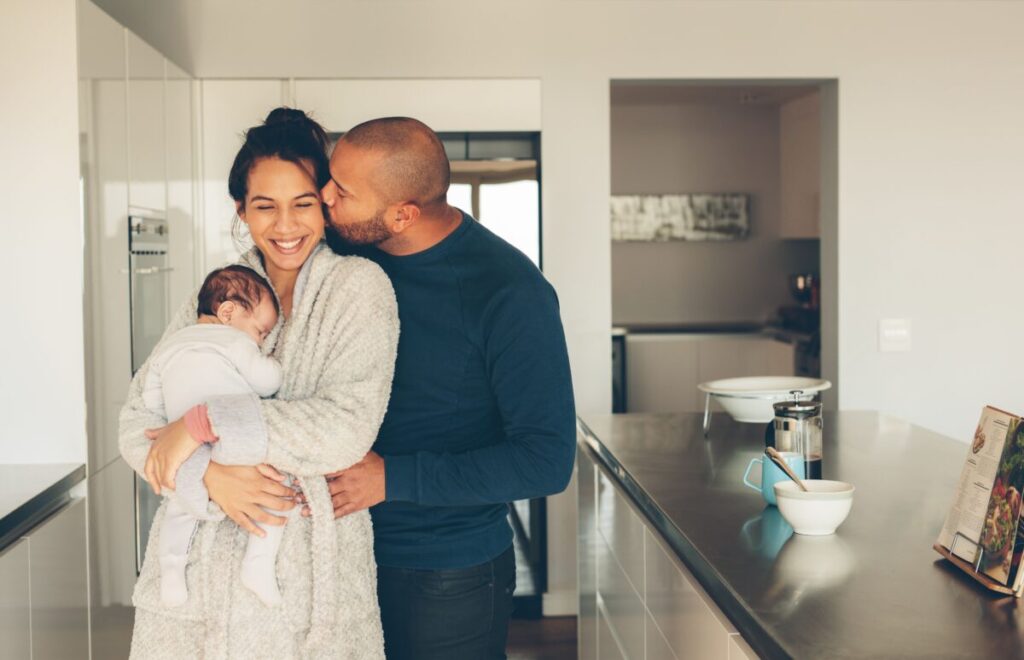
Are you tired of the endless cycle of dating apps, disappointing first dates, and “almost” relationships? Do you find yourself wondering if lasting love is just a matter of luck that hasn’t come your way yet?
Finding love is one of life’s most profound desires, yet for many, it remains a source of frustration and anxiety. In a world of instant swipes and curated profiles, true connection can feel elusive. At Maplewood Counseling, we believe that finding love isn’t just about stumbling upon the “right” person—it’s about becoming the right partner and understanding the deeper patterns that guide your choices.
Whether you are single and searching, healing from a breakup, or feeling stuck in a relationship that has lost its spark, we are here to help you navigate the path toward the deep, secure connection you deserve.
[Start Your Journey to Love – Book a Consultation]
Love often feels mysterious, but it is also deeply rooted in psychology and human behavior. It’s not just about chemistry; it’s about compatibility, shared values, and emotional safety.
Many of us carry unseen baggage into the dating world. Past heartbreaks, childhood attachment styles, and subconscious beliefs can silently sabotage our efforts to connect.
We don’t just offer advice; we offer a transformation in how you relate to yourself and others. Our therapists specialize in helping you uncover the barriers to love and build the skills necessary for a healthy partnership.
Do you find yourself dating the same type of person over and over, with the same painful results? We help you identify these repetitive cycles and understand the root causes, empowering you to make different, healthier choices.
Healthy relationships start with a healthy relationship with yourself. If you struggle with low self-esteem or feelings of unworthiness, it can be difficult to accept love even when it’s offered. We work with you to build a foundation of self-love that attracts respectful, loving partners.
Dating fatigue is real. We provide practical guidance on how to date with intention rather than desperation. Learn how to spot red flags early, communicate your needs clearly, and stay true to your values in a chaotic dating landscape.
Finding love is step one; keeping it is the journey. Once you’ve found a partner, we support you in navigating the early stages of commitment, blending lives, and establishing healthy communication habits that last a lifetime.
While therapy provides the deep work, there are steps you can take right now to shift your perspective.
Step 1: Define Your “Must-Haves” vs. “Nice-to-Haves”
Focus on character traits like kindness, reliability, and emotional intelligence over superficial qualities. A partner who listens is far more valuable than a partner who is simply tall or wealthy.
Step 2: Embrace Vulnerability
It’s scary to open up, but vulnerability is the bridge to connection. Practice sharing small, authentic parts of yourself on dates. Notice how the other person responds—do they lean in with empathy, or do they pull away?
Step 3: Stop “Auditioning”
When dating, many people focus entirely on “Does this person like me?” instead of asking, “Do I like how I feel around this person?” Shift your focus to your own feelings and comfort level.
How can I deal with dating fatigue and disappointment?
It’s completely understandable to feel weary or discouraged if dating hasn’t gone the way you hoped. Taking breaks to recharge, setting healthy boundaries, and reflecting on what you truly want can help restore your hope. Sometimes, talking with a counselor makes it easier to process tough emotions and approach your search for love in a more intentional, kind way.
What’s the best way to build self-confidence before dating?
Self-confidence starts with recognizing your own worth, even when relationships haven’t worked out in the past. Consider small daily affirmations, surrounding yourself with supportive people, and setting realistic expectations. Our therapists can guide you to notice and celebrate your strengths, helping you step into new connections with authenticity and trust in yourself.
How do I overcome the fear of vulnerability in relationships?
Opening up to someone new can feel overwhelming, especially if you’ve been hurt before. Start slowly by sharing things at your own pace and noticing who makes you feel safe and respected. Vulnerability can be a powerful tool for fostering real connection, and a therapist can offer a secure space to practice and grow more comfortable with openness.
What if I keep repeating the same relationship patterns?
Many people notice they gravitate toward similar dynamics, even when those aren’t healthy. Our work together can help you unpack the reasons behind those choices, disrupt unhelpful patterns, and learn practical ways to form stronger, more fulfilling bonds in the future.
Can therapy really help me find love?
Therapy isn’t about finding love for you, but it’s about supporting your journey—guiding you to understand yourself, improve communication skills, and approach dating or commitment with clarity. Many people find that feeling understood and encouraged helps them build more meaningful relationships, both with themselves and others.
Love is worth the effort, but the path doesn’t have to be lonely. Whether you are dealing with the grief of a past relationship, the anxiety of dating, or the desire to deepen your current partnership, Maplewood Counseling is your partner in this process.
Our compassionate, non-judgmental therapists are here to help you rewrite your love story. You deserve a relationship that feels safe, supportive, and full of joy. Let us help you find it.
Ready to open your heart to what’s possible?
We had to remove a video here that explained how to do this.
BreaThere are many ways you can communicate your anger and frustration without being hurtful – critical, nasty, devaluing and other negative ways to communicate. It will only cause more damage to the relationship. You can learn better ways to express these emotions.
Breaking a pattern or habit of putting your partner down when you are upset will take some work. If you are determined you can eventually stop a negative way of expressing your anger, hurt, sadness or frustration. It will ultimately not get you what you want if you are hurtful to your spouse or partner. Connection takes eventually becoming more vulnerable and less prickly when you are upset.
All couples will always go through “ruptures” and it is all about the repair. How to resolve issues when they come since they WILL come up. It is all about how you resolve your conflict. If you ware determined to do a better job, you can. You might need the help of an experienced therapist to help you break negative patterns and learn better ways to do this.
Need help? Get in touch.



Are you feeling a growing distance between you and your partner? Does it feel like you are living as roommates rather than romantic partners? You are not alone in these feelings. Every relationship faces seasons of disconnect, frustration, or silence. The most important step isn’t erasing the past—it’s deciding to build a better future together.
At Maplewood Counseling, we specialize in helping couples navigate the complexities of modern relationships. While our office is located in Maplewood, we proudly serve many individuals and couples from Livingston, NJ, who are seeking a safe, private space to heal and grow.
Whether you are dealing with the aftermath of an affair, struggling to blend a family, or simply cannot seem to communicate without arguing, we are here to offer the compassionate guidance you need.
When your relationship is vulnerable, privacy is often a top concern. We understand that in a tight-knit community like Livingston, the fear of running into a neighbor, colleague, or friend at a local therapist’s office can add unnecessary anxiety to an already difficult process.
Many of the couples we work with specifically choose our practice because we are located in a nearby town. It offers the perfect balance: we are close enough to be convenient—just a short drive away—but removed enough to provide a true sense of anonymity.
Coming to Maplewood allows you to step out of your daily environment and enter a neutral, confidential space where you can focus entirely on your relationship without distraction or worry.
No two marriages are the same, and neither are the challenges they face. We don’t believe in a “one-size-fits-all” approach to therapy. Instead, we listen deeply to understand the specific dynamics of your partnership.
Here is how we help couples transform their challenges into opportunities for growth:
Has an affair shattered the foundation of your marriage? The discovery of infidelity is often traumatic, leaving partners feeling overwhelmed by betrayal, anger, and grief. You may wonder if it is even possible to move forward.
We believe that with the right support, relationships can not only survive infidelity but emerge stronger. We provide a non-judgmental space to process the pain, understand the underlying issues, and slowly rebuild the trust that was lost. It is a journey, but you do not have to walk it alone.
Do simple conversations often spiral into arguments? Do you feel unheard or misunderstood by your spouse? Poor communication is one of the most common reasons couples seek help.
We help you identify the negative patterns that keep you stuck. Through our sessions, you will learn practical tools to express your needs clearly and listen with empathy. Our goal is to help you stop fighting against each other and start fighting for your relationship.
Bringing two families together is a beautiful act, but it rarely comes without complications. Parenting styles, step-sibling dynamics, and loyalty conflicts can create significant stress on a marriage.
We have extensive experience helping couples navigate the unique pressures of blended families. We help you establish united boundaries and foster a supportive home environment where everyone feels valued.
We know that life in Livingston is busy. Between work commutes, children’s activities, and household responsibilities, finding time for therapy can feel impossible.
To ensure you can prioritize your relationship regardless of your schedule, we offer secure, HIPAA-compliant Telehealth video sessions. This allows you to receive the same high-quality, face-to-face counseling from the comfort of your own home or office. whether you prefer in-person visits or the flexibility of virtual therapy, we are here to accommodate your needs.
Your story matters to us. We pride ourselves on creating an inclusive, affirming environment for all couples, regardless of background, orientation, or identity. When you walk through our doors—or log into a session—you can expect to be met with warmth, respect, and genuine empathy.
We do not take sides. Our client is your relationship. Our role is to act as a supportive guide, helping you uncover the strengths you already possess and providing the tools you need to reconnect.
Are you ready to stop surviving your relationship and start thriving in it? Waiting rarely makes problems disappear; often, it just allows resentment to take deeper root.
If you live in Livingston, NJ, or the surrounding areas and need support, we invite you to reach out. Let us help you reignite your bond and build a partnership grounded in understanding and love.