
Maplewood Counseling
Select Page
9 Common Challenges Older Couples Face & How to Overcome

9 Common Challenges Older Couples Face & How to Overcome

9 Common Challenges Older Couples Face

Debra Feinberg LCSW ( Reviewer)

At Maplewood Counseling, we provide inclusive care for people of all races, cultures, and backgrounds, including interfaith, interracial, BIPOC, LGBTQIA+, and blended families. Our therapists bring lived experiences and specialized training to create a safe, affirming space for all.

9 Common Challenges Older Couples Face

Long-term relationships bring deep understanding, shared memories, and strong bonds. However, as couples age, they often face unique challenges that require adjustment and understanding. These hurdles can feel overwhelming, but they also offer opportunities for growth and renewed connection.


Health Issues and Emotional Impact

Declining health is a common challenge for older couples. Chronic illness, mobility issues, or cognitive changes can affect both partners emotionally. The partner with health challenges may feel guilt or frustration, while the caregiver may experience stress and anxiety.

Open communication is key. Talk about fears, limitations, and how roles may shift. Discuss ways to maintain your connection while managing caregiving responsibilities.


Financial Strain and Security Concerns

Retirement often brings financial adjustments. Fixed incomes, rising healthcare costs, and long-term care expenses can create stress. Couples may disagree about spending priorities or feel anxious about depleting savings.

Work together to create a realistic budget that balances needs and wants. Regular conversations about money can prevent small disagreements from escalating into major conflicts.


Loss of Independence

Aging can lead to a gradual loss of independence. Tasks like driving, household chores, or decision-making may become difficult. This can affect self-worth and create tension in the relationship.

Find a balance between safety and autonomy. Discuss which activities are most important to each person and explore ways to maintain independence while ensuring well-being.


Communication Breakdown

After years together, couples may assume they know everything about each other. This can lead to reduced communication and misunderstandings. Hearing difficulties or cognitive changes can also complicate conversations.

Set aside time for regular check-ins. Talk about feelings, dreams, and concerns. Avoid assumptions by asking questions and listening without judgment.


Differing Expectations for Retirement

Retirement can reveal differing visions for the future. One partner may want to travel, while the other prefers a quiet home life. These conflicting expectations can create tension.

Discuss your hopes and fears for retirement. Find ways to honor both perspectives, such as alternating activities or creating a shared plan that meets both needs.


Intimacy Concerns

Physical and emotional intimacy often change with age. Medical conditions, medications, and body image concerns can affect intimate connections. Some couples avoid discussing these changes, leading to distance.

Focus on emotional connection and explore new ways to express affection. Be patient and open to adapting intimacy to fit your current needs. Professional guidance can also help.


Grief and Loss

Older couples often face losses, including loved ones, abilities, and routines. Grief affects each person differently, which can make it hard to support each other.

Acknowledge that grief is natural and affects everyone uniquely. Create space for shared mourning and individual processing. Counseling can provide additional support during difficult times.


Family Dynamics

Relationships with adult children and grandchildren can become complex. Disagreements about family involvement, inheritance, or caregiving roles may strain the marriage.

Set clear boundaries with family members while maintaining loving relationships. Regular discussions about family dynamics can help both partners feel respected and supported.


Lack of Shared Interests

Retirement may highlight a lack of shared hobbies or activities. One partner may have many interests, while the other feels lost without work structure. This can create loneliness even when spending time together.

Explore new activities as a couple. Try classes, volunteering, or hobbies that are new to both of you. Focus on finding mutual enjoyment rather than forcing participation in one person’s interests.


Resistance to Change

Change becomes harder with age, but it’s often necessary. Technology, healthcare, housing, and social changes require flexibility. Resistance to change can create friction in the relationship.

Approach change as a team. Discuss the benefits and challenges, allow time for adjustment, and support each other through transitions.


Contact us today to schedule your first session and if you need help with current challnges.

Frequently Asked Questions (FAQs)


1. What are the most common challenges older couples face?

Older couples often face challenges such as health issues, financial strain, loss of independence, communication breakdown, and differing expectations for retirement. Intimacy concerns, grief, family dynamics, and resistance to change are also common.

2. How can older couples improve communication?

Set aside time for regular check-ins to discuss feelings, concerns, and goals. Practice active listening, avoid assumptions, and ask open-ended questions to better understand each other.

3. How can couples maintain intimacy as they age?

Focus on emotional connection and explore new ways to express affection. Be open about changes in physical intimacy and consider seeking professional guidance if needed.

4. What can couples do to manage financial stress in retirement?

Create a realistic budget that accounts for both needs and wants. Have regular conversations about money to address concerns and prevent conflicts. Consulting a financial advisor can also help.

5. How can couples support each other through grief and loss?

Acknowledge that grief affects everyone differently. Create space for shared mourning and individual processing. Counseling can provide additional support during particularly difficult times.

6. What if one partner resists change while the other embraces it?

Approach change as a team. Discuss the benefits and challenges, allow time for adjustment, and support each other through transitions. Patience and understanding are key.

7. How can couples find shared interests in retirement?

Explore new activities together, such as classes, volunteering, or hobbies that are new to both partners. Focus on finding mutual enjoyment rather than forcing participation in one person’s interests.

8. When should older couples seek counseling?

Couples should consider counseling if they feel stuck, face recurring conflicts, or struggle to navigate major life changes. Therapy provides tools to improve communication, resolve issues, and strengthen the relationship.


Building Stronger Bonds

The challenges older couples face are real, but they don’t have to weaken your relationship. Each obstacle is an opportunity to deepen understanding and create new intimacy. Seeking professional support, such as couples counseling, can provide tools to navigate these challenges together.

Your relationship has already overcome many hurdles. With patience, compassion, and open communication, you can continue to grow together and strengthen your bond.


Take the Next Step

If you and your partner are facing challenges, we’re here to help. Counseling can provide guidance and support to navigate this stage of life together.

Call us today or schedule a session online. Let’s work together to build a stronger, more connected relationship.

Helpful Resources


Destructive Relationship Habits & How to Break Them

Destructive Relationship Habits & How to Break Them

Are These Habits Harming Your Relationship?


Destructive Relationship Habits & How to Break Them

Every relationship has its own rhythm, a unique dance of connection and communication. But sometimes, without us even realizing it, certain steps in that dance become misaligned. Small, seemingly harmless habits can creep in and slowly erode the trust, intimacy, and joy that once felt so effortless. If you feel like you and your partner are stuck in a cycle of misunderstandings, arguments, or emotional distance, please know you are not alone.

Many couples find themselves navigating these challenging patterns. The good news is that recognizing these habits is the first and most powerful step toward change. With awareness, intention, and a shared commitment, it is possible to break free from destructive cycles and build a stronger, more resilient connection.

This guide is here to help you identify some of the most common habits that can harm a partnership, understand where they come from, and discover actionable steps to foster a healthier, more loving bond.

Recognizing Habits That Weaken a Relationship

Before you can build something new, it helps to see what might need rebuilding. Do any of these patterns feel familiar in your relationship?

1. The Cycle of Criticism

Constant criticism involves repeatedly focusing on a partner’s perceived flaws. Instead of offering constructive feedback, it comes across as a personal attack. This habit can chip away at self-esteem and create a climate of resentment where both partners feel defensive and unappreciated.

2. The Wall of Silence (Stonewalling)

When conversations get tough, does one or both of you shut down? Stonewalling is the act of emotionally or physically withdrawing from a conflict. It may look like giving the silent treatment, changing the subject, or leaving the room. This avoidance leaves important issues unresolved and builds a wall between partners.

3. The Grip of Jealousy

While a little jealousy can be normal, excessive possessiveness erodes the foundation of trust. It often leads to controlling behaviors, like checking a partner’s phone or limiting their social interactions. This creates a toxic environment of suspicion and anxiety.

4. The Fog of Gaslighting

Gaslighting is a subtle but deeply damaging form of manipulation where one person causes another to doubt their own perceptions, memories, or sanity. Phrases like, “You’re being too sensitive,” or “That never happened,” can leave a person feeling confused, anxious, and unable to trust their own judgment.

5. The Blame Game

Consistently shifting responsibility for problems onto your partner prevents any real progress. When one person is always at fault, it becomes impossible to work as a team. True partnership requires mutual accountability and a willingness to look at one’s own role in a conflict.

What’s Behind These Destructive Habits?

These behaviors rarely appear out of nowhere. They are often rooted in deeper, more complex personal experiences and fears. Understanding their origins is not about making excuses but about fostering empathy for yourself and your partner.

  • Fear of Vulnerability: Opening up and being truly seen can feel terrifying. If you’ve been hurt before, criticism or withdrawal might feel like a necessary shield to protect yourself from potential rejection.
  • Unresolved Past Wounds: Experiences from childhood, previous relationships, or other significant life events can create patterns that we carry into our current partnerships. We may unconsciously repeat what we saw or experienced.
  • Low Self-Esteem: A lack of self-worth can manifest in destructive ways. It might fuel jealousy, a need for control, or a tendency to criticize others to feel better about oneself.
  • Societal and Cultural Pressures: Preconceived notions about roles in a relationship, masculinity, or femininity can discourage emotional expression and encourage unhealthy dynamics.

When you can see the root of the behavior, you can begin to address the core issue instead of just fighting the symptom.

How to Break the Cycle and Build Healthier Habits

Creating a new dynamic in your relationship is a journey you take together. It requires patience, commitment, and a shared desire to grow. Here are some concrete steps to get started.

  1. Cultivate Self-Awareness: Take time to reflect on your own behaviors. How do you react when you feel hurt, angry, or insecure? Journaling or simply pausing before you respond can help you identify your personal triggers and patterns.
  2. Commit to Open Communication: Create a safe space where both partners can speak honestly without fear of judgment. Use “I” statements to express your feelings, such as “I feel hurt when…” instead of “You always…” This approach reduces blame and invites dialogue.
  3. Practice Empathy: Make a genuine effort to understand your partner’s perspective, even if you don’t agree with it. Ask questions like, “Can you help me understand what that felt like for you?” This simple shift can transform a conflict into a moment of connection.
  4. Establish and Respect Boundaries: Healthy boundaries are not walls; they are guidelines that protect the emotional safety and individuality of each person. Clearly communicate your needs and limits, and honor your partner’s boundaries in return.
  5. Embrace Accountability: Rebuilding trust starts with taking responsibility for your mistakes. A sincere apology, followed by a change in behavior, is one of the most powerful tools for healing a relationship.

When to Seek Professional Support

Sometimes, even with the best intentions, breaking these habits can feel overwhelming. A trained couples counselor can provide a neutral, supportive space to navigate these challenges. Consider seeking professional help if:

  • Communication consistently breaks down into fights or silence.
  • Trust has been deeply broken by issues like infidelity or manipulation.
  • Past trauma is clearly impacting your present relationship.
  • You feel stuck and are unable to make progress on your own.

Reaching out for help is not a sign of failure; it is a courageous act of love for yourself and your partnership.

At Maplewood Counseling, we provide inclusive care for people of all races, cultures, and backgrounds, including interfaith, interracial, BIPOC, LGBTQIA+, and blended families. Our therapists bring lived experiences and specialized training to create a safe, affirming space for all.


If breaking old patterns on your own feels overwhelming, you don’t have to do it alone. Reach out to Maplewood Counseling to schedule a confidential session and discover how personalized support can help you and your partner move forward together.

Frequently Asked Questions (FAQs)

1. What if my partner is the one with the destructive habits and won’t admit it?
This is a very difficult position to be in. You cannot force someone to change. You can, however, focus on your own actions and set clear boundaries. Seeking individual therapy can empower you with tools to navigate the situation and decide what is healthiest for you in the long run.

2. How do we stop having the same argument over and over again?
Repetitive arguments often signal an unresolved underlying issue. Try to identify the deeper theme. Are you arguing about the dishes, or is it about feeling unappreciated? A therapist can help you uncover and address the root cause of these recurring conflicts.

3. Can a relationship truly recover from things like gaslighting or broken trust?
Recovery is possible, but it requires significant effort, honesty, and a genuine commitment to change from the person who caused the harm. The path often involves professional guidance to rebuild a foundation of safety and trust, and the person who was harmed must feel consistently safe and respected.

4. How can we build healthier habits without it feeling forced or unnatural?
Start small. Pick one habit to focus on at a time. For example, you might agree to take a 10-minute break when a conversation gets heated. As you experience the positive results of these small changes, they will begin to feel more natural and become part of your new, healthier dynamic.


Ready to take the next step? If you’re seeking more support to break unhealthy patterns and strengthen your partnership, Maplewood Counseling is here for you. Reach out to schedule a confidential session, or subscribe to our newsletter for expert relationship tips and fresh guidance—delivered to your inbox.

Helpful Resources 

7 Reasons Some People Do Not Prioritize Their Relationship

7 Reasons Some People Do Not Prioritize Their Relationship

Reasons People Do Not Prioritize Their Relationship

When Your Don’t Make Your Relationship a Priority

Reasons People Do Not Prioritize Their Relationship

Not Making Your Relaitonships a Priority

Maplewood Couples Counselor and Counseling for Couples, Individuals, Families

8 Reasons People Do Not Prioritize Their Relationship

Strong, meaningful relationships form the foundation of a fulfilling life. Whether it’s with partners, family, or friends, these connections bring both comfort and joy. Yet, amidst the hustle and bustle of daily life, relationships often take a backseat. Why does this happen? And more importantly, how can we change it?

This blog uncovers eight reasons people do not prioritize their relationships, with insights on why they matter and steps you can take to foster better connections in your life.


Time Constraints Mean Relationships Take a Back Seat

Life is busier than ever. From endless to-do lists to 60-hour workweeks, time feels like a rare luxury. Many believe, “I’ll make time for my relationships later,” but this “later” often never comes.

What’s important to remember is this: a great relationship isn’t built in one dramatic gesture but in small, consistent moments shared together. Consider starting small, like scheduling a weekly date night or setting aside 10 minutes at the end of each day to connect with your loved ones. These little investments can go a long way in keeping relationships alive, even within a packed schedule.


Career Focus Can Overshadow Personal Connections

If you find work more satisfying than home life, you’re not alone. Many of us have been conditioned to believe our success is measured by professional achievements. While ambition is admirable, it can unintentionally overshadow personal relationships.

When your mind is always on work, it’s easy to neglect the people who matter most. A common misconception is that providing for your family is enough to demonstrate love. While support is essential, emotional presence matters, too.

To strike a better balance, set boundaries with your work life. For instance, try leaving work emails unopened after dinner, or dedicate your weekends to uninterrupted family time. Remember, climbing the career ladder doesn’t have to mean leaving your relationships behind.


Lack of Communication Skills Builds Invisible Walls

Communication is the lifeblood of any relationship, yet many of us grow up without the tools to communicate effectively. Misunderstandings can lead to feelings of frustration and distance, making it easier to avoid communication altogether.

But avoiding the conversation won’t make the problem disappear. The good news? Communication is a skill, one that can be learned with practice. Begin by actively listening, asking open-ended questions, and using “I” statements instead of blameful language. For instance, instead of saying, “You never make time for me,” try expressing, “I feel lonely when we don’t spend time together.”


Fear of Vulnerability Leads to Emotional Distance

Opening up to someone can feel like letting down all your defenses. Fear of being judged, rejected, or hurt can push people to build emotional walls, even with those they care about most.

But true connection requires vulnerability. It’s about allowing yourself to share your authentic self—even the messy parts. A helpful starting point is to share something small. Whether that’s talking about your day or how you’re really feeling, these moments of honesty can deepen trust over time. Vulnerability isn’t a weakness; it’s a bridge to stronger relationships.


Social Media Distracts Us from Real-Life Connections

When was the last time you looked up from your phone during a conversation? Social media, while a fantastic tool for staying connected, can also lure our attention away from those right in front of us.

Endless scrolling and notifications make it easy to miss out on meaningful interactions. Instead of sharing a laugh with your partner, you might be watching someone else’s vacation vlog.

Try implementing digital boundaries—for example, turning off notifications during meals or setting a “phone-free” period in the evening. By being more present, you’ll strengthen connections and create moments that matter.


Taking Relationships for Granted Hinders Growth

When relationships feel secure, it can be easy to fall into a pattern of complacency. Although you may not mean to, taking someone for granted sends the unintentional message that they aren’t a priority.

Whether it’s a long-term partner, a close friend, or a sibling, remember that relationships require consistent effort. Show gratitude for their presence in your life, be it with a thoughtful message, a simple thank-you, or spending quality time together. Small acts of appreciation can reignite the spark in any relationship.


Unrealistic Expectations Cause Disappointment

We’re often fed images of the “perfect partner” or the “ideal friendship” through media, leading to a mismatch between reality and expectations. When the people in your life fall short of these idealistic views, it can foster feelings of resentment or dissatisfaction.

It’s important to remember that everyone has flaws, just as we do. Instead of focusing on perfection, celebrate the strengths and qualities your loved ones bring into your life. Adjusting your expectations doesn’t mean settling; it means seeing and accepting people for who they truly are.


Not Valuing Relationships Limits Their Potential

At its core, many cases of neglect stem from one simple truth: not truly valuing relationships. It’s easy to focus only on what’s tangible, like a high-paying job or material success, and overlook the intangible rewards relationships bring.

However, the most meaningful aspects of life are often those we can’t measure. Strong relationships offer comfort during life’s challenges, bring joy in everyday moments, and create memories that last a lifetime. Recognizing these intangible benefits can help shift your focus and make relationships a priority again.


Start Prioritizing Your Relationship Today

If any of these reasons resonate with you, take comfort in knowing you’re not alone. Relationships are complex and take work, but they’re also one of the most rewarding aspects of life.

Here’s your call to action today:

  1. Reflect on which relationships you may be neglecting.
  2. Identify one small action you can take to reconnect, from a kind text to planning a shared activity.
  3. Make that action a priority this week.

At the end of the day, the connections you nurture will shape the richness of your life. Start small, stay consistent, and see how your relationships get stronger.

Need counseling to help you prioritize your relationship? Reach out today.

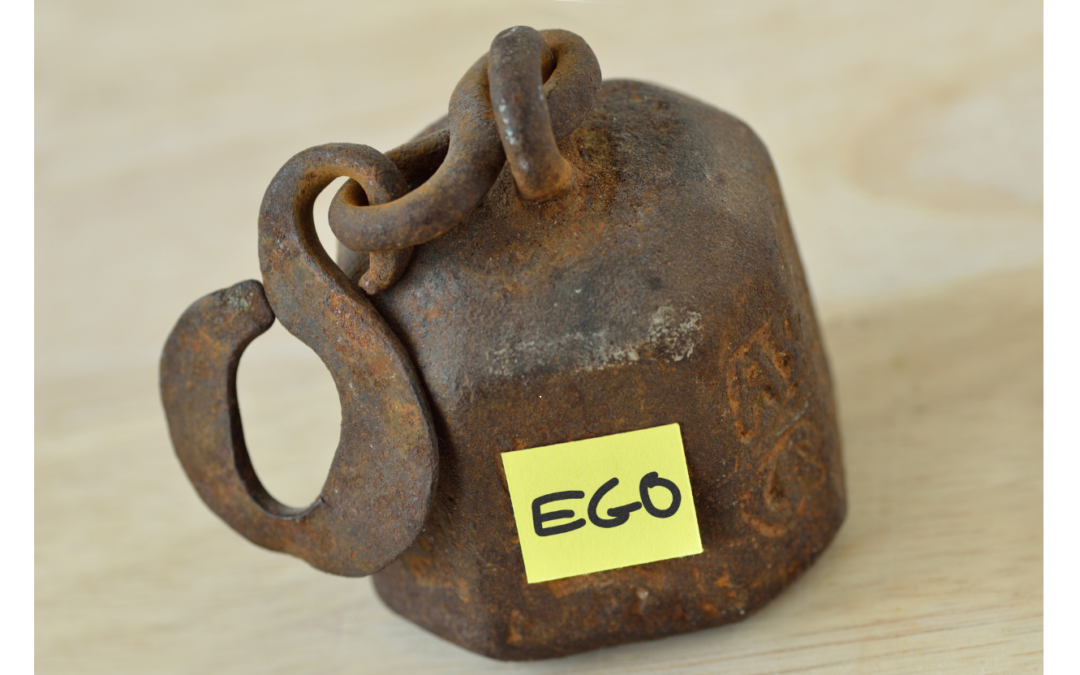
10 Ego-Driven Habits That Harm Relationships

10 Ego-Driven Habits That Harm Relationships

Habits Drive by Ego That Harm Relationships

And How to Break These Habits

Recognize Ego Driven Habits & Tips to Change These Harmful Patterns

Ego Driven Habits that Harm relationships

10 Ego-Driven Habits That Harm Relationships (and How to Break Them)


Ego can quietly creep into our relationships, even with the people we cherish most. While a healthy sense of self-worth is important, letting ego take charge can lead to unnecessary conflict, hurt feelings, and misunderstandings.

If you’re finding yourself in repeated arguments, feeling disconnected, or struggling to communicate with your partner, it might be time to consider how ego is playing a role. Here, we’ll break down ten common ego-driven habits that can affect relationships and share simple ways to shift toward healthier and more meaningful connections.

1. Always Needing to Be Right

Do you feel the need to win every debate, no matter how small? Ego thrives on validation, but trying to win arguments often pushes your partner away.

What to do instead: Ask yourself, “Is being right more important than feeling connected?” Focus on active listening and genuinely considering your partner’s perspective. Sometimes, letting go of the need to win can build more harmony in your relationship.

2. Avoiding Apologies

Saying “I’m sorry” can feel like admitting defeat, but the truth is, recognizing when you’re wrong shows emotional strength and maturity.

What to do instead: Shift from protecting your pride to focusing on empathy. A sincere apology can rebuild trust and heal wounds in ways words alone cannot.

3. Blaming Instead of Reflecting

It’s easy to point fingers when things go wrong, but blaming your partner creates defensiveness and tension.

What to do instead: Try looking inward. Instead of saying, “You always mess everything up,” reframe it as, “How can we work through this together?” Collaborative language fosters teamwork instead of division.

4. Lack of Empathy

Ego loves to center on itself, often at the expense of understanding how others feel. When this happens, it can make your partner feel unseen and unsupported.

What to do instead: Imagine being in your partner’s shoes. You don’t have to agree with them, but acknowledging their feelings can strengthen your emotional bond. A simple, “I understand why you feel this way,” can go a long way.

5. Turning Everything Into a Competition

Do you compete with your partner over achievements or small arguments? Constant competition can erode the foundation of trust and collaboration in your relationship.

What to do instead: Remember, you’re on the same team. Celebrate each other’s wins and work toward mutual encouragement instead of rivalry.

6. Dismissing Their Feelings

If you’ve said things like, “You’re overreacting” or “It’s not a big deal,” you’ve likely dismissed your partner’s emotions. Over time, this can make them feel invalidated and reluctant to open up.

What to do instead: Even if you don’t see things the same way, their feelings are valid. Try saying, “I can see why this would upset you.” By affirming their emotions, you create a safe space for honest communication.

7. Seeking External Validation

If you rely on social media likes or external praise to boost your self-esteem, your partner may feel neglected or undervalued.

What to do instead: Redirect your energy inward and toward your relationship. Focus on meeting your partner’s emotional needs and cultivate a deeper, more meaningful connection.

8. Controlling Behavior

Trying to control your partner’s actions or decisions might seem like a way to avoid chaos, but it often leaves them feeling trapped or powerless.

What to do instead: Practice trust. Recognize that love grows in freedom, not control. Release the need to micromanage and allow both of you to retain individual independence within the relationship.

9. Holding Grudges

Clinging to past mistakes and bringing them up repeatedly leads to resentment and creates emotional barriers.

What to do instead: Choose forgiveness. Understand that no one, including yourself, is perfect. Work on letting go of past hurts so you can focus on moving forward together.

10. Refusing to Compromise

Relationships require balance, but when ego blocks compromise, unresolved frustrations build up over time.

What to do instead: View compromise as teamwork, not a defeat. Look for mutual solutions where both parties feel heard and valued. Small sacrifices can lead to big wins for your relationship.

Building a Relationship Without Ego

We all have moments where our ego gets the best of us, but simply noticing how it affects your relationships is already a step toward change. By addressing these ten habits, you can nurture a healthier, more connected dynamic built on trust, empathy, and mutual understanding.

Every relationship takes effort and reflection to grow. If you’re ready to deepen your connection even further, consider reaching out to a relationship coach or counselor. Investing in your growth today can pave the way for a stronger, more loving partnership tomorrow.Don’t settle for “just okay” when it comes to your relationships. Reach out to our coaching team today and unlock the tools you need to thrive.

📞 Contact us now to get started!

Signs Contempt is Poisoning Your Relationship and How to Stop

Signs Contempt is Poisoning Your Relationship and How to Stop

6 Signs Contempt is Poisoning Your Relationship


How to Cope with Contempt in Your Relationship

Contempt is a silent killer of relationships. It often creeps in unnoticed, subtly eroding the trust, affection, and respect that once held two people together. Over time, contempt can poison not just your marriage or partnership but other relationships in your life as well. The word itself carries weight for good reason—contempt is more than simple frustration or anger. It’s an underlying feeling of disrespect, disdain, and superiority toward another person.

Relationships are journeys, and even the strongest partnerships encounter rough patches. But sometimes, deeper feelings of negativity can creep in quietly, eroding the warmth and safety you once shared. One of the most significant challenges couples face is contempt.

It is a heavy word, isn’t it? But understanding it is the first step toward healing. Contempt isn’t just anger or frustration; it is a feeling of disdain or superiority that says, “I am better than you,” or “You are not worthy of my respect.” Dr. John Gottman, a leading relationship expert, has identified contempt as a key predictor of relationship breakdown. However, it doesn’t have to be the end of your story.

If you are feeling a disconnect, you are not alone. Many couples find themselves here, and with the right tools and a little hope, you can find your way back to each other.

Let’s explore the signs of contempt with compassion, so you can recognize them and start the journey toward reconnection.


Recognizing Contempt: What Should You Watch For?

Contempt often hides in small, daily interactions. It can feel like a cold wind blowing through your home. Recognizing these signs is brave—it means you care enough to want things to be different.

1. Eye-Rolling and Sneering: When Words Aren’t Needed

Have you ever noticed a partner rolling their eyes while you speak? Or perhaps you have caught yourself doing it? These non-verbal cues are powerful. A sneer or an eye-roll during a vulnerable moment sends a painful message: Your thoughts don’t matter to me.

A Path Forward:
If you notice this happening, pause. Take a deep breath. Try to look at your partner with fresh eyes. Even if you disagree, remind yourself that their perspective is valid. Maintaining soft eye contact can signal, “I am here, and I am listening,” helping to rebuild that bridge of respect.

2. Sarcasm That Hurts Rather Than Heals

Humor is a wonderful part of any relationship, but when it turns into sarcasm meant to mock or ridicule, it can leave deep wounds. A mocking tone often disguises itself as a joke, but the aftertaste is bitter. It creates a dynamic where one person feels small or foolish.

A Path Forward:
Let’s aim for clarity over cleverness. If you are hurt or frustrated, try saying it plainly. “I feel overwhelmed when the chores aren’t done,” is much more inviting than a sarcastic comment about being the “only adult in the house.” Honest vulnerability invites connection; sarcasm pushes it away.

3. Name-Calling and Belittling: When Arguments Turn Personal

In the heat of an argument, have words slipped out that attack your partner’s character rather than their actions? Labels like “lazy,” “clueless,” or “crazy” are damaging because they attack who a person is, not just what they did. This chips away at self-esteem and safety.

A Path Forward:
Commit to a “safe zone” for your language. Regardless of how heated things get, agree that names are off-limits. Focus on the situation at hand. “I am frustrated that the bills weren’t paid” addresses a problem we can solve together. “You are irresponsible” attacks the person you love.

4. Dismissing Each Other’s Feelings and Opinions

There is nothing quite as lonely as sharing your heart and being met with indifference. Dismissiveness sounds like, “You’re overreacting,” ” calm down,” or simply ignoring a partner’s input. It tells your loved one that their inner world isn’t important.

A Path Forward:
Practice the art of validation. You don’t have to agree with your partner’s feelings to accept them. A simple phrase like, “I can see this is really upsetting you, tell me more,” can be a powerful healing balm. It says, Your feelings are safe with me.

5. Acting Superior: When One Person Always Knows Best

Do you feel like one partner is always the “teacher” and the other the “student”? When one person consistently lectures or acts morally or intellectually superior, it creates an imbalance. A partnership is a team of equals, not a hierarchy.

A Path Forward:
Foster a spirit of collaboration. Remember that you both bring unique strengths to the table. Approach decisions and conflicts with curiosity: “How do you see this situation?” or “Let’s figure this out together.” This shift empowers both of you.

6. Relentless Criticism and Fault-Finding

Constructive feedback helps us grow, but constant criticism feels like an attack. If the focus is always on what is wrong—the way they cook, drive, or dress—it creates an atmosphere where your partner feels they can never do anything right.

A Path Forward:
Flip the script. For every negative observation, try to find three things you appreciate. Shift from a mindset of blame to a mindset of appreciation. “Thank you for making dinner” goes a long way, even if the pasta was a little overcooked.

Finding Hope: How to Transform Contempt into Connection

If reading this list felt heavy, take heart. Recognizing these patterns is the hardest part. The antidote to contempt is building a culture of fondness and admiration. You can turn this around.

Here are actionable steps to start healing today:

  • Practice Active Listening: Put down the phone. Turn toward your partner. Listen to understand, not just to reply.
  • Take Gentle Accountability: If you recognize these behaviors in yourself, saying “I’m sorry” is a powerful reset button. “I realize I was being dismissive earlier, and I want to try again.”
  • Create Small Moments of Appreciation: Leave a sticky note on the mirror. Send a text just to say “thinking of you.” Small positives crowd out the negativity.
  • Seek a Guide: sometimes, we need a neutral third party to help us untangle the knots. Professional counseling provides a safe, non-judgmental space to learn new tools.

Contact us today to schedule your first session and take the first step toward a calmer, more fulfilling life.

Frequently Asked Questions About Contempt in Relationships

Q: Can a relationship truly survive contempt?
A: Absolutely. While contempt is a serious warning sign, it is not a death sentence. Many couples have successfully replaced contempt with respect and rebuilt happier, stronger unions. It requires willingness, effort, and often, the right guidance.

Q: I think my partner is contemptuous, but they deny it. What should I do?
A: This is a common and painful challenge. Focus on expressing how their behavior makes you feel rather than labeling their behavior. Instead of “You are being contemptuous,” try “When you roll your eyes, I feel hurt and dismissed.” If communication remains blocked, a couples therapist can help mediate these difficult conversations.

Q: Is contempt always verbal?
A: No, contempt is often silent. Body language like turning away, sighing heavily, sneering, or even a cold silence can communicate disdain just as loudly as words.

Q: How do we know when we need professional help?
A: If you find yourselves in the same negative loop over and over, or if you feel unsafe expressing your true feelings, it might be time to reach out. Think of therapy not as a last resort, but as a proactive step to care for your most important investment—your relationship.


You Don’t Have to Do This Alone

Rebuilding respect and intimacy is a brave journey, and we are here to walk it with you. Whether you are looking to deepen your connection or heal from past hurts, there is hope for a brighter, more loving future.

If you are ready to transform your relationship dynamics, we invite you to reach out.

Helpful Resources


4 Habits to Avoid for a Connected Relationship | Couples Tips

4 Habits to Avoid for a Connected Relationship | Couples Tips

4 Common Habits to Avoid for a Stronger, More Connected Relationship

Anger Management Counseling at Maplewood Counseling

By Debra Feinberg, LCSW, Robert Jenkins, LCSW (Reviewed by Senior Level Therapists)

Every relationship thrives on a sense of connection—a feeling that you are valued, understood, and truly seen by your partner. Whether you’re newly committed or have been together for years, it’s normal to experience times when your bond feels stretched thin by life’s pressures. If you ever wonder, “Why does this feel off lately?” or “How can we get back to feeling close?” know that you are not alone. Everyone has these questions at some point, and there are practical, inclusive ways to help your relationship feel more connected.

Below, you’ll find four common habits that often undermine closeness, along with gentle ways to shift toward deeper understanding and warmth in your partnership. Let these tips guide you as you nurture a safer, more loving space for you both.

1. Avoid Shutting Down During Difficult Conversations

Communication isn’t always easy, especially when emotions run high. Sometimes, you might find yourself withdrawing, getting defensive, or simply going silent when conversations get tough. While protecting yourself is instinctive, emotional shut-down can leave both partners feeling isolated and misunderstood.

Try this instead: When things get overwhelming, ask for a short break so you both can gather your thoughts. Saying, “I need a little time to process before continuing this talk. Can we come back to it soon?” is a way of respecting yourself and your partner. Committing to return to the conversation affirms that you both matter.

2. Don’t Let Technology Crowd Out Real Connection

Phones and devices are woven through our days, but they can unintentionally create distance between loved ones. Have you noticed times when you’re together, but each person is connecting more with their screen than with each other?

Try this instead: Designate “tech-free” times during meals or before bed to be fully present. Even 15 minutes of undistracted conversation can make a difference. You’ll both feel more valued when you’re actively listening, sharing a laugh, or simply being together without interruption.

3. Be Mindful Not to Take Your Partner for Granted

Feeling comfortable with someone you care about is a gift. Yet, over time, it’s easy to fall into routines and forget to express appreciation for the kind gestures or everyday efforts that keep your relationship going strong.

Try this instead: Make it a habit to notice and acknowledge the little things—whether it’s a warm text, your favorite meal, or listening after a long day. Verbal affirmations, hugs, or a simple “Thank you, I appreciate this” can go a long way toward helping your partner feel seen and valued.

4. Don’t Sweep Issues Under the Rug

Avoiding conflict might seem like the easier path, but unspoken hurts and unresolved misunderstandings can quietly erode trust. Suppressing concerns now often leads to bigger struggles later.

Try this instead: Approach sensitive topics with kindness and openness. Use “I” statements—like “I felt hurt when…”—so your partner knows you’re sharing your experience, not attacking theirs. Early, respectful conversations keep your bond honest and resilient.

Building a Culture of Connection

A truly connected relationship is the result of many small efforts over time. In addition to avoiding the pitfalls above, consider these inclusive, actionable tips to enrich your partnership:

  • Plan for Fun and Shared Joy: Regularly set aside time to do things you both enjoy, whether that’s a favorite activity or simply a walk together.
  • Learn Each Other’s Love Languages: Ask about or reflect on how your partner feels most cared for—through words, actions, touch, or time together—and express love in those ways.
  • Show Physical Affection: Small gestures, like hand-holding or a hug, help foster security and comfort across all kinds of relationships.
  • Encourage Each Other’s Growth: Support your partner’s goals and celebrate their achievements. When both people feel supported as individuals, the partnership grows stronger, too.

When to Consider Professional Support

Despite your best efforts, there may be times when disconnection or repeating patterns feel too big to solve alone. Reaching out to a couples counselor or relationship therapist offers a safe, confidential space to address complex emotions, learn new tools, and reconnect. Therapy isn’t just for crises—it’s a proactive investment in your relationship’s health and happiness. Everyone deserves compassionate help when needed.

Frequently Asked Questions (FAQs)

What’s one small thing we can do daily to feel more connected?
Set aside just five minutes each day for undistracted check-in time. Ask each other about the best and hardest moments of the day, and listen without fixing or judging. These small moments build trust and emotional closeness.

Is it normal to go through phases of distance in a relationship?
Absolutely. All relationships experience cycles of closeness and distance, especially during life changes or stress. The most important thing is to notice these phases and gently work together to reconnect.

What if my partner isn’t interested in these changes?
Start with your own actions and let your partner know why connection matters to you. Sometimes, open and honest sharing about your hopes sets a positive example and encourages teamwork. If you continue to feel alone in your effort, a therapist can help you both understand what’s getting in the way.

My relationship doesn’t look like others—do these tips still apply?
Yes. These tips are designed for all types of committed partnerships, regardless of background, orientation, or stage of life. Connection is about feeling seen, respected, and valued—something everyone deserves.

How do we know when it’s time to seek outside help?
If repeated attempts to reconnect don’t bring relief, if conflict feels overwhelming, or if you feel stuck and discouraged, it’s a sign that extra guidance could help. Therapy provides practical strategies and a safe space to rebuild your connection, no matter where you’re starting from.


Creating and maintaining a connected relationship takes ongoing care, honest reflection, and shared effort. Remember, every couple faces challenges—it’s how you respond that shapes the future of your partnership. You both deserve to feel supported, understood, and loved.

If you’d like personalized guidance or want help strengthening your relationship, consider reaching out to a professional. You are not alone on this path—support is available, and positive change is possible.

Helpful Resources