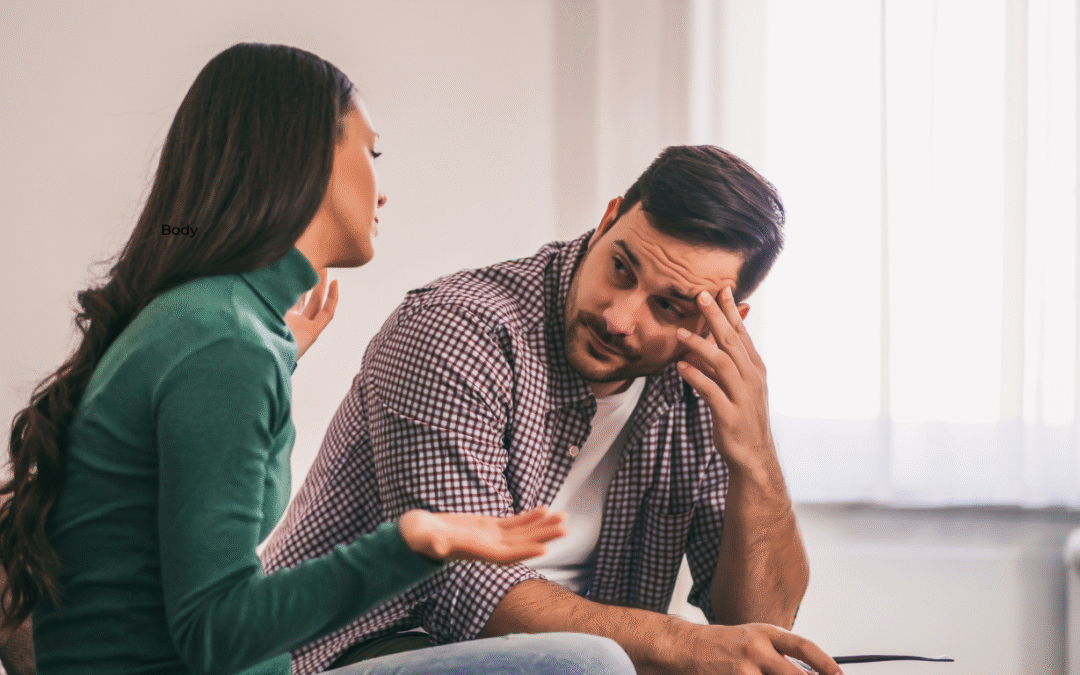
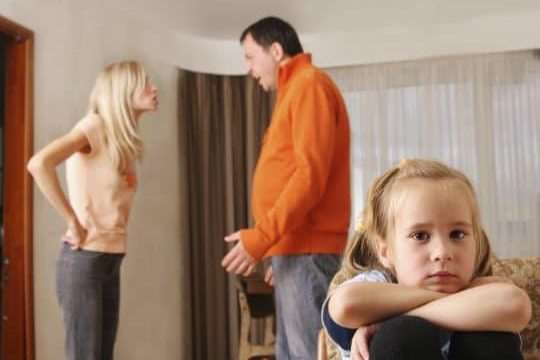
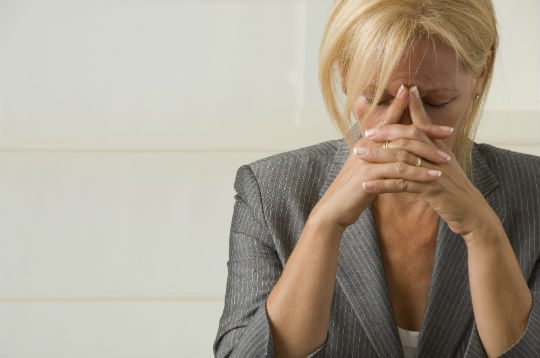
Are you in a sexless marriage? Does your husband, wife or partner never seem to be interested in sex? Have you gone for months (or years) without sex? Have you been trying to accept the lack of intimacy (and rejection), but feel you can no longer bear it.
If your marriage lacks intimacy and sex, your relationship is at risk. A couple is clearly vulnerable to the crisis of an affair, divorce or a break-up. Most couples struggle with sexual desire issues for a number of reasons.
In a sexless marriage or relationship?
Here are some common reasons for lack of sex in a marriage or relationship:
You feel overwhelmed by responsibilities at work and home and have no energy left
You don’t feel understood in a way that makes you feel safe
You are angry at your spouse and have a wall up
You feel alone and not emotionally connected
You get angry when your spouse or partner rejects you and you react making things worse
You no longer feel attracted to your spouse or partner
Watching pornography can change the way you feel about sex with your partner
Sex is boring, you’re partner is selfish and it is not satisfying
You need to feel the emotional connection before you can want to have sex
You need sex to feel the connection
You may have ED erectile dysfunction and struggle with performance problems
You may have hormone or other medical problems
You had a hysterectomy and your libido has changed
Sex has become painful and peri-menopause or menopause
It’s never the right time
You feel like you’re being used for sex and your partner or spouse really doesn’t care about you
There are so many reasons that couples struggle with sex and intimacy. It can be extremely difficult when the needs of each partner are not met or fully understood. Anger, disappointment and frustration can create even more distance and make it even harder to connect leading to less intimacy and sex.
If you are living in a sexless marriage, see how marriage counseling for couples therapy can help you create more intimacy. It would take both people are willing to discuss this in a different way.
If you are in New Jersey and you want to discuss the lack of connection in your relationship, get in touch and let us know how we can help.
Are you really scared about the status of your relationship? Are you feeling like your wife or husband has completely shut down? Are they now discussing wanting a divorce or breaking up? Are you feeling terrified and not sure what to do?
I hear from many men and women who are really scared of losing their marriage or relationship. They are feeling abandoned emotionally by their spouse. There has probably has been ongoing problems in the relationship that have never been dealt with properly and it has caused a great amount of distance and disconnect in the relationship. Often times one person has been asking (or begging ) to go to a couples or marriage counselor and those requests were ignored. Unfortunately, ignoring someone’s pleas to get help can cause great damage to the relationship. Sometimes that damage can be repaired and sometimes not.
So what should you do? Certainly, discussing what you are going through with a trained and experience therapist can help you figure out your next step. Fear or feelings of abandonment can cause people to struggle with sleep and lose their appetite and be unable to eat.
When Your Relationship or Marriage is in Trouble
The worse things are in the marriage, the more help you will need (if both people are willing) to turn things around. Each situation is different.
If you want to know what to do with your intense emotions and struggle, feel free to get in touch.
If you’ve never done marriage or couples counseling, you might wonder how it works. The way I work with couples is this – I like to take the first session and meet with a couple together. I assess the way you interact, listen, respond or react and the reasons you are coming to therapy. I want to understand each person’s perscpective and get a sense for the issues you are struggling with. At the same time, I will assess what happens when you are discussing the problems and to see if you interrupt, agree, disagree and understand. The second and third appointments I like to meet with each person individually to get a sense for their background and experience. It helps me to connect one-on-one to learn more about what each person feels and needs and what they are not getting in the relationship.
I also like to understand what each person experienced growing up when it comes to roll models for relationships. I will often ask how did your parents or other significant caretakers treat one another and how did they treated you. It gives me a good idea of how each person was “conditioned” to relate and how tow people from different backgrounds can have different views and expectations around relationships. You may want to repeat or avoid they way people treated each other when you were growing up. It is impoprtnt to undestanding how the past affects the present when it comes to relationships.
Many people that have gone through traumatic experiences growing may face have more challenges in their love relationships and therefore may need more help creating a more satisfying and stable relationship. I do want to understand attachment style and how secure or insecure you felt growing up how secure or insecure you feel in your marriage or relationship now. Understanding all of this and then helping you both understand the patterns and dynamic of your relationship is what we work on in the couples therapy.
Many people ask how long is couples therapy or how long will it take. Without knowing each of you and your dynamic…without knowing what each of you bring to the relationship from your past, it’s hard for me to answer that question other than to say the work that we do is short term in nature. Anywhere between 8-20 appointments for most couples. Some couples are in therapy longer. Typically session one is together with the couple so your therapist can assess you communication style and dynamic. Then th therapists will meet with each person individually to assess each person to leanr more about each person. Then the couples will meet together again session 4 on to work on issues. So I hope this helps as you’re searching for a couples therapist and trying to understand how therapy works if you are new to the process.
Just know that changing patterns and behavior takes time, awareness and consistent effort. Pain is a great motivator and usually people are much more willing to change something when there is a threat of losing your spouse or partner. Ultimatums like “i want a divorce” or “I can’t do this anymore” will make many people very scared and ready for counseling. The real challenge is staying what is most importnat to your partner or spouse – learning what they really need and responding rather than reacting. We do this together to help each person really understand and respond to needs of the other person without discounting, neglecting, defending, criticizing or invalidating when you don’t understand. Understanding and responding to each other rather than reacting is critical to building a stronger and ongoing connection with one another. I hope this helps as you’re searching for a therapist to understand the process of marriage counseling or couples therapy.
Need marriage or relationship therapy after and affair? Can your relationship heal after this level of betrayal? Is it really possible for the relationship to survive cheating, or is a divorce or a break-up inevitable?
The news is better than you might think. It is possible to heal your relationship after an affair, but only if you both are willing and committed to doing the work necessary to fix the damage: both the damage that the affair caused, as well as the damage which caused the affair. According to “Surprised by Love” by Jay Kent-Ferraro Ph.D., MBA, “Marriages don’t end because of infidelity; they end because of how infidelity is dealt with.” Is your love and commitment strong enough to overcome the profound failure of cheating? Here are ten critical steps couples must take to survive the damage of an affair and emerge with a stronger relationship.
Honesty
When cheating is brought to light, it is important that the wronged member of the relationship talks openly and honestly to their partner. Overcome with feelings of grief and distrust, this member must put their pain and hurt into words to let their partner know what they are feeling. By the same token, the partner who had the affair must respond to questions truthfully; attempting to minimize your partner’s pain by understating the facts will only lead to more distrust when they inevitably learn the truth.
Bear Witness
Just as significantly, if not more so, the cheating partner must prepare to face the pain and heartache that their behavior has brought on. In many situations, the unfaithful party can feel paralyzed with guilt, and see the affair as damage that cannot be repaired. This causes them to push their partner to put the pain behind them rather than take the time to grieve to help heal. Dr. Janis A. Spring, clinical psychologist and author, insists that the offender “bear witness” to the pain they have brought on instead of trying to defend or deflect. Taking responsibility of this wrongdoing is vital to rebuilding trust in the relationship.
Atone
After bearing witness to the hurt and pain they have caused, the unfaithful partner must express remorse. This is key to rebuilding a relationship after an affair, and without this step there is no way the relationship can be repaired.
Get it in Writing
After the person who had the affair has listened and understood the pain they caused their spouse or partner, Spring suggests that they write out their apology in their own words. This detailed letter to their loved one can help prove to their partner that they understand the pain that they have caused. Spring explains, “Verbal reassurances, promising you won’t do it again, that means nothing after cheating. They have to prove they’ve heard and understood their partner on the deepest level, and that means citing very specific examples of how they’ve hurt them and then taking actions to prove they will not do so in the future.”
Forgiveness Isn’t Cheap
Sometimes, the offended partner—desperate to salvage the relationship or too scared to be alone–will forgive before they have had any chance to grieve. This “cheap forgiveness” actually can hurt the relationship by interrupting the healthy grieving process. Avoid this “cheap forgiveness” as it can set you up in a place where you do not deal with the hurt, your partner does not come to understand your pain, and in turn they can continue to be unfaithful in the future.
Who’s Responsible?
In relationships where one person has strayed, both parties may bear some measure of responsibility for the problems which led to the affair. While the unfaithful person must own up to 100% of the guilt, the wronged member of the relationship must accept some responsibility for cultivating an unhappy relationship. Not only the cheater, but the hurt person has to see how their role played a part that made their significant other decide to have an affair, and take progressive steps to provide more emotional intimacy in the future. That being said, no matter what the couples’ problems were, only one partner cheated, and this step cannot be used to deflect responsibility for that conscious and deliberate decision.
Full Disclosure
After the cheater understands their significant other’s feelings and owns up to their 100% of the guilt for cheating without being defensive, the cheater must fully disclose everything. While uncovering all secrets may be painful, this allows for a blank slate where both parties have been transparent and vulnerable.
Couples that are healing after an affair need to get insight in what went wrong without just blaming each other. During this step, some partners will feel anger, hurt, pain, and betrayal when they learn what their lover has done, but full disclosure and honesty is the best way to get back trust and intimacy.
No “Second Chance”
Not only does the person who is responsible for the affair need to end the affair, they need to end all contact at all with his or her lover. This “no second chance” rule may seem over-the-top, but it will discourage cheating.
Gain Support
Once both partners have forgiven and are ready to rebuild their relationship, they both must make the relationship a top priority. As part of this new obligation to value each other, the couple should go public with the state of their relationship and gain support from the people closest to them. Let these people know that, despite the affair, they are recommitted and are rebuilding trust.
Get Physical
The last step is about being able to reconnect with your partner physically. If the couple wants to stay together, the rebuilding must reach the bedroom, too. According to Dr. John Gottman, “Without the presence of sexual intimacy that is pleasurable to both, the relationship can’t begin again.”
Healing your relationship after an affair is a difficult process, but it can be done. The process can be helped along with an experienced therapist to help you repair and strengthen your relationship. Call 973-902-8700 if you are a couple needing help in Essex County, New Jersey.
Pornography and Marriage | How Porn Affects Relationships
Recent advances in technology have made pornography remarkably available; the days of X-rated theaters, adult bookstores, and video cassette rentals are long gone. What does this mean for our relationships? Many people have come to terms with porn, concluding that it is just part of society and brushing it off as if it is not a big deal at all. Others, on the other hand, feel distraught about this addictive, self-esteem shattering “hobby.”
The truth, like most things in life, it is neither black nor white; pornography can have negative or positive effects on a relationship. Here are a few insights on why people turn to pornography and how you can use porn to improve your relationship instead of destroy it. You may want to think twice before hiding your secret stash to avoid being caught by your significant other. According to recent studies, people who are upfront with their partners about watching pornography have better, happier relationships. According to Dr. Fran Walfish, “Being honest about pornography use with a partner indicates that the person is comfortable with their own sexuality and the things that sexually titillate, stimulate, arouse, and turn on their excitation.”
In relationships, honesty and openness between partners is what brings them closer together and helps to yield a happier relationship. On the other hand, when one of the two members choose to hide their porn use and keep it secret, Walfish explains that this could be seen as “betrayal and raise mistrust, suspicions, and put a wedge of distance between the partners.” Disclosing your secret porn use to your significant other is certainly not easy.
Partners who want to come clean about their use of pornography may not know how to begin to approach it.
Here are a few questions that Dr. Walfish suggests asking yourself:
1. Why did you keep in secret in the first place?”
2. Is it because your partner is inhibited and might judge you for this type of behavior?
3. Do you feel shame about your pornography usage?
The responses to these questions will help to assess if it will be easy to talk to a partner or spouse about these issues. In addition, while not everyone is the same, men and women tend to hold different views about pornography. According to Psychology Today, “Men and women tend to disagree on two issues: How porn is watched (alone, in groups, with a sexual partner); and how often it is watched.”
If you are in a relationship where you and your partner do not agree about the use of pornography, the following questions can help you understand your partner’s point of view. The partner who is in favor of porn, ask yourself…
1. Does watching porn cause trauma in my partner?
2. How does watching porn influence my day-to-day emotions and how does it cause me to approach my relationship.
3. When does watching porn harm my relationship?
The partner who is against porn, ask yourself…
1. Why does my partner’s participation in watching porn trigger trauma in me?
2. Why do I experience trauma from porn while others may not?
3. How do my feelings about my partner watching porn affect my relationship?
It is very important that both partners understand how the other feels about the use of porn and arrive at a mutually acceptable conclusion. The alternative can create significant problems. Among other things, partners who object to their mate’s use of pornography often experience fear, anxiety, a feeling of not belonging, and feeling emotionally on edge. The other partner, who wants to view porn but feels compelled to stop, may experience feelings of depression, anxiety, and loneliness, which lead to unhappiness and dissatisfaction.
If your relationship is stuck in the middle of this quandary, what can you do?
1. Two is better than one Couples who participate in viewing porn together and who come to a mutual agreement of what is acceptable and what is not, have much more satisfaction in their relationship because of the high levels of communication and honesty. According to Walfish, “When both partners are equally open sexually and emotionally pornography can be an ‘exciting wonderful foreplay’. Often, watching can stimulate ideas, themes, and scenarios that can elicit spontaneity and adventure for the couple.”
2. Honesty is the best policy Many of the negative feelings experienced by those who do not agree with watching pornography stem from the idea that doing so is akin to infidelity. According to reseachers Marley N. Resch and Kevin G. Alderson, “Female partners may find pornography to be a source of competition in that they may not be satisfying their partners’ needs.” Opening up the lines of communication can help address these concerns. However, it is important to address these issues as early as possible. Later disclosures about previously hidden porn use can not only affect trust, but also affect one partner’s sense of who it is they are with.
3. Ask For Help All these questions and feelings can be extremely hard for couples to navigate on their own. More often than not, it takes a skilled professional to assist with these issues by doing a thorough background history with each partner to help them assess both themselves and each other, preliminary to bringing them to a happier, healthier place in their relationship.
If you’re in New Jersey, call Maplewood Counseling at 973-793-1000 to help you and your partner begin this journey.
When a husband, wife or partner has an affair, the betrayal can be devatating. Online cheating can also cause a tremendous amount of pain in a relationship. So seductive and easily accessible, the Internet and mobile devices are an opportunity anytime, anywhere to fill a void and get attention you are not getting elsewhere.
Is this you?
you hide your phone because you are sending inappropriate texts at all hours
you suspect your spouse or partner is connecting with other men or women online or on their phone
you feel guilty about cyber cheating and need help ending something that could ruin your relationship
the attention is so seductive, tempting and it’s so easy to start something with a coworker or friend
you want to come clean and admit the cyber affair before it’s too late
it’s hard to stop because it makes you happy and feels very good
your spouse or partner keeps accusing you and feels insecure
you don’t think it’s all that serious and deny anything is going on
you clearly see how it is hurting your relationship and need help
If online cheating is hurting your relationships, get in touch.