Maplewood Counseling
Am I Overreacting? 6 Signs You Just Might Be

Am I Overreacting? 6 Signs You Just Might Be

Am I Overreacting? 

6 Signs You Just Might Be

Am I Overreacting? 6 Signs You Just Might Be

 Am I Overreacting?  Understanding Strong Emotional Reactions


Am I Overreacting? 6 Signs You Just Might Be

Am I Overreacting - 6 Signs You Might Be

Ever found yourself wondering, “Am I overreacting?” Maybe it was after an argument with a loved one, or during an intense emotional response to a stressful situation. Overreaction can stem from a variety of factors, such as anxiety, unresolved pain, or even simple misunderstandings. While everyone has moments where emotions feel overwhelming, consistent patterns of overreacting can strain relationships, take a toll on physical and mental health, and leave us doubting ourselves.

This post will guide you through six signs that might indicate you’re overreacting, along with some actionable insights into managing emotional responses. Take a deep breath, and remember—recognizing the signs is the first step to gaining more control over how you feel and react.

Sign 1. Your Emotional Responses Are Frequent and Intense

Do you find yourself experiencing strong emotional responses more often than you’d like? Maybe you burst into tears after a small disagreement or feel an uncontrollable urge to lash out when things don’t go as planned. While feeling deeply is part of being human, overly frequent and intense reactions may point to an underlying tendency to overreact.

📌 What this might look like:

  • Feeling rage over minor inconveniences, like someone cutting you off in traffic.
  • Crying uncontrollably over small mistakes, like burning dinner.
  • Frequent feelings of being slighted or disrespected.

💡 What to do:

Pause before reacting. Count to five or take a few deep breaths. This simple mindfulness exercise can help you approach the situation more calmly and thoughtfully.

Sign 2. It’s Hard to Calm Down After Feeling Triggered

Does it take you longer than others to settle your emotions after being upset? Perhaps you’re re-living a heated conversation hours—or even days—after it happens. Overreaction often involves prolonged emotional states, where calming down feels nearly impossible.

📌 What this might look like:

  • Obsessing over something someone said during a meeting.
  • Feeling tightly wound and unable to sleep after being upset.
  • Rehashing arguments long after they’ve been resolved.

💡 What to do:

Practice grounding techniques, such as focusing on your physical body. Try pressing your feet firmly to the floor or placing your hands on a cool surface to re-center yourself.

Sign 3. You Tend to Think in Catastrophic Terms

Overreacting often goes hand-in-hand with catastrophic thinking—the tendency to assume the worst-case scenario in any situation. Every minor issue becomes a monumental problem. This type of thinking not only exacerbates the emotional response but also makes situations harder to handle.

📌 What this might look like:

  • Thinking, “If I mess up this project, I’m going to get fired.”
  • Believing one wrong word in a text will ruin a relationship.
  • Assuming small health issues signal something far more serious.

💡 What to do:

Challenge catastrophic thoughts by asking yourself, “Is this really true?” or “What’s the most likely outcome?” Sometimes, reframing the situation with more realistic possibilities can help curb the overreaction.

Sign 4. Your Reactions Strain Relationships

Have you noticed tension building in your personal or professional relationships after certain emotional outbursts? Overreacting can unintentionally push people away, as others may feel uncomfortable, confused, or even hurt by your responses.

📌 What this might look like:

  • Friends pulling back after heated arguments or outbursts.
  • Colleagues hesitating to share feedback due to past experiences.
  • Loved ones walking on eggshells around you to avoid triggering a reaction.

💡 What to do:

Open up to the people closest to you. Acknowledge past overreactions and express your willingness to work on them. Communication can go a long way in repairing strained relationships.

Sign 5. Physical Symptoms Accompany Your Emotional Reactions

Overreaction doesn’t just affect your emotions—it can impact your body, too. Physical symptoms like a racing heart, sweating, tense muscles, and even headaches often accompany emotional overdrive. These are clear signs your body is feeling the impact of intense stress.

📌 What this might look like:

  • Shortness of breath after a minor argument.
  • Clenched fists or jaw every time you feel overwhelmed.
  • Physical exhaustion after a day filled with emotional responses.

💡 What to do:

Develop a physical relaxation routine. Whether it’s deep breathing, progressive muscle relaxation, or gentle yoga, these techniques can help calm the physical symptoms that come with overreacting.

Sign 6. You Constantly Doubt Yourself

One of the more subtle signs of overreaction is self-doubt. Do you frequently second-guess whether your feelings or responses were “too much”? This inner conflict can leave you feeling guilty and questioning your own judgment.

📌 What this might look like:

  • Thinking, “Did I take that situation too personally?”
  • Feeling like you over-apologize for emotional outbursts.
  • Worrying about how others perceive your reactions.

💡 What to do:

Practice self-compassion. Remind yourself that emotions aren’t inherently “good” or “bad.” Acknowledge the feelings and then find healthier ways to express and manage them.

Moving from Reaction to Regulation

If any of these signs resonate with you, it’s important to remember that overreacting doesn’t make you a “bad” or “wrong” person. It’s simply a part of being emotionally human—one that you can learn to understand and manage.

Here are a few strategies to help you work towards healthier emotional regulation:

  • Journaling: Writing down your thoughts and emotions can bring clarity to situations and patterns.
  • Self-Awareness Tools: Keep a “reaction log” to track situations that trigger heightened responses. This can help you identify trends and develop awareness.
  • Therapy: Speaking with a trained therapist or counselor can offer personalized tools for managing overreaction tendencies.
  • Mindfulness Practices: Meditation, grounding exercises, and mindful breathing can help you stay grounded in challenging situations.

Each step you take toward recognizing and managing overreactions is a step toward greater emotional growth and stronger relationships. Change doesn’t happen overnight, and that’s okay. Be kind to yourself during the process.

Remember, you don’t have to face these challenges alone. Connecting with a professional can help you uncover root causes and create actionable paths toward a more balanced emotional life.

📞 Contact us now to get started!

 7 Top Benefits of Relationship Coaching 

 7 Top Benefits of Relationship Coaching 

7 Key Benefits of Relationship Coaching

Coaching Strategies for Couples & Individuals

7 Benefits of Relationship Coaching

 7 Key Benefits of Relationship Coaching


Benefits of Relationship Coaching

Benefits of Relationship Coaching


Relationships are such a big part of our lives. They bring connection, growth, and happiness—but let’s be honest, they can also be challenging at times. Is it normal to feel overwhelmed or stuck? Absolutely. That’s where relationship coaching comes in. It’s not just about getting advice; it’s about learning how to grow, communicate, and connect on a deeper level with yourself and others.

Whether you’re navigating a tricky situation, working through emotional barriers, or just want to build a stronger connection, a relationship coach can make a life-changing difference. Curious? Here are 7 reasons why coaching is worth the hype.

1. Communication Skills That Actually Work

Ever felt like you’re not being heard? Or maybe you’re worried you’re not saying things the right way? Communication is at the heart of every relationship, but so many of us struggle with it.

A relationship coach can help you nail those awkward conversations with tools and strategies to express yourself clearly and listen better. You’ll learn how to have conversations without blame or misunderstandings, and instead, foster respect and connection.

💡 Example: Imagine finally being able to talk about sensitive topics with your partner without defensiveness or miscommunication. A coach can guide you there!

2. Learn How to Tackle Conflict the Healthy Way

Fights are normal, but if they’re left unresolved, they can really harm your relationship. Relationship coaching offers practical ways to handle conflicts and even turn them into opportunities to grow.

Coaches create safe, neutral spaces where you and your partner can unpack disagreements, understand each other better, and work toward common ground. You’ll learn how to address issues without hostility and, most importantly, how to prevent the same arguments from happening again.

💡 Example: Picture turning a constant squabble about who does the chores into an agreement where both partners feel seen and supported. Coaching can make it happen.

3. Rekindle Intimacy and Connection

Life gets busy, right? Between work, family, and everything else on your plate, it’s easy for intimacy to take a backseat. But that spark doesn’t have to fade!

Another benefit of relationship coaching that can help you reignite the connection with small, meaningful changes. Whether it’s through fun date night suggestions, new routines, or better ways to express affection, coaching gives you tools to prioritize your relationship.

💡 Example: A couple stuck in a routine discovers new ways to connect, like cooking together or trying weekly check-ins, helping them fall in love all over again.

4. Align Your Goals and Dreams

Ever feel like you and your partner are on different pages? Or maybe you’re not sure how to align your personal goals with your relationship? This is where coaching really shines.

Together with your coach, you’ll map out shared goals or clarify what you want from future relationships. This could be anything from planning finances to parenting strategies to moving to a new city. And for individuals, it’s about figuring out your vision and what you value most in a future partnership.

💡 Example: With guidance, a couple creates a plan to save for a home together, ensuring both partners have a voice in the decision-making.

5. Get to Know Yourself Better

A lot of relationship issues boil down to how well we know ourselves. Coaching helps you dig deeper into your patterns, behaviors, and emotional triggers.

By becoming more self-aware, you’ll uncover the small habits or beliefs that might be holding you back. The result? Fewer misunderstandings and a better foundation for healthy connections.

💡 Example: During coaching, you might realize your fear of being vulnerable is stopping you from building trust and find strategies to work through it.

6. Heal From the Past

We’ve all been there—that lingering hurt from an old relationship or even childhood experiences that seems to creep into our present life. While coaching isn’t therapy, it can help you identify and break unhealthy patterns so you can move forward with confidence.

A coach provides tools to turn those past struggles into life lessons, empowering you to show up as your best self in relationships.

💡 Example: Someone who has trust issues after being betrayed learns how to release those fears and build trust again with healthy boundaries.

7. Build a Solid Foundation for the Future

Whether you’re deep into a long-term relationship, just starting one, or looking for love, another benefit of relatitonship coaching is it can set you up for success. It’s all about developing habits and tools to create a happy, lasting connection.

From emotional validation to navigating life’s curveballs together, coaching equips you to handle challenges with grace and resilience.

💡 Example: An engaged couple works with a coach to strengthen their communication and explore shared values before marriage, setting them up for a happy and harmonious life ahead.

Why Relationship Coaching Works

Relationship coaching isn’t about fixing “broken” things. It’s about empowering you to grow. With a coach, you gain lifelong tools to tackle challenges, communicate better, and build deeper connections.

It’s not just for couples either! Individuals can benefit just as much, whether you’re prepping for future relationships or focusing on self-growth.

If any of this resonates, why not take the first step toward creating a life filled with more meaningful relationships?

Your Next Move

Dreaming of better communication, more connection, or stronger relationships? Relationship coaching can help make it happen.

Don’t settle for “just okay” when it comes to your relationships. Reach out to our coaching team today and unlock the tools you need to thrive.

📞 Contact us now to get started!

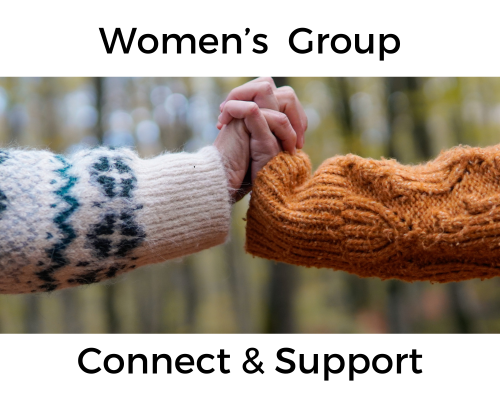
Women’s Groups in NJ Online at Maplewood Counseling

Women’s Groups in NJ Online at Maplewood Counseling

Empowerment Through Connection

Join Our Supportive Women's Groups

Discover a supportive community where women come together to share experiences, gain insights, and foster personal growth in a safe and nurturing environment.

Learn more below 

Maplewood Counseling South Orange NJ | Couples Therapy NJ

About Our Women's Groups

Our women’s groups offer a unique opportunity for women to connect and support each other through life’s challenges. Led by experienced therapists, our sessions provide a safe space for participants to explore personal issues, enhance self-awareness, and build resilience. We focus on creating a nurturing environment where women can openly discuss topics that matter to them, from self-esteem to work-life balance. Join us to experience the power of shared understanding and mutual support.

Women's Groups in NJ Online Maplewood Counseling

Explore Our Women's Groups Topics

Our sessions cover a range of topics to support your personal growth and well-being.

Relationships & Communication

Improve your communication skills and build healthier relationships with insights from group discussions.

Work-Life Balance

Find harmony between your professional and personal life with tips and support from fellow participants.

Self-Esteem & Self-Image

Explore ways to build a positive self-image and boost your confidence in a supportive group setting.

Managing Stress & Anxiety

Learn effective strategies to manage stress and reduce anxiety through shared experiences and expert guidance.

Parental Stress & Overwhlem

Find support to help lower stress and manage overwhelm in your family and strain on your relationship.

Personal Growth

Empowering personal growth through group connection and support to help you make positive changes.

Men’s Groups facilitated by Robert Jenkins LCSW


Robert Jenkins LCSW Therapist Maplewood Counseling

Maplewood Counseling will be offering 2 men’s groups dates TBD virtually for a small group of men ( 8 -12) to support each other and navigate challenges.

Men’s group therapy topics

  • Relationships and intimacy
  • Parenting and family
  • Managing stress and anxiety
  • Masculinity and societal expectations
  • Coping with anger and conflicting emotions
  • Communication and vulnerability
  • Work-life balance
  • Social comparison and competition.

This men’s therapy group will provide a non-judgmental space for men to come together, share their experiences, and learn from one another. The goal of this group is to promote healthy communication, build self-awareness, address any underlying issues, and develop effective coping strategies.


Join Our Women's & Men's Groups Today

Discover the benefits of our women’s groups by reaching out for more information. Connect with like-minded individuals and gain the support you need. Contact us to learn how to join and start your journey towards personal growth and empowerment.   For more information, reach out to us today!

You will hear from a member of our admin team or a client care specialist to answer your questions and help you get set up. 

Group Sign Up

Name(Required)
Email(Required)
Group Info
Where are you located?

Communication Counseling for Couples in New Jersey

Communication Counseling for Couples in New Jersey

Communication Counseling for Couples: Build Stronger Connections


From Silent Standoffs or Constant Arguments to Open Dialogues

Communication Counseling for Couples

From Silent Standoffs to Meaningful Conversations

Do you feel like you and your partner are speaking different languages? Constant arguments, painful silences, and recurring misunderstandings can create distance in a relationship, leaving you both feeling disconnected and alone. Effective communication is the foundation of a strong partnership, but it doesn’t always come naturally. It’s a skill that can be learned and nurtured.

Communication counseling provides a safe, supportive space for you and your partner to rediscover how to truly hear each other, resolve conflicts, and rebuild your emotional bond. It’s a path toward transforming frustration into understanding and transforming your relationship.

Contact Us to Start the Conversation


Why Is Communication So Important in a Relationship?

Communication is more than just exchanging words; it’s the bridge that connects your inner worlds. It’s how you share hopes, navigate challenges, and build a life together. When that bridge weakens, you might find yourselves stuck in cycles of blame or withdrawal.

At Maplewood Counseling, we help couples move beyond these painful patterns. Our goal is to provide you with the tools to foster open, honest dialogue, turning conflict into an opportunity for growth and deeper intimacy.


Understanding Your Communication Styles

Everyone has a unique way of expressing themselves, and these differences can often be a source of conflict. Recognizing your own style and your partner’s is the first step toward creating harmony.

Common Communication Styles Include:

  • Passive: Avoiding expressing your true feelings or needs to prevent conflict, which often leads to resentment.
  • Aggressive: Expressing yourself forcefully, often at your partner’s expense, which can create a hostile environment.
  • Passive-Aggressive: Indirectly expressing anger through actions like sarcasm, stubbornness, or silent treatment.
  • Assertive: Clearly and respectfully expressing your thoughts, feelings, and needs. This is the foundation of healthy dialogue.

By identifying these patterns, you can begin to shift toward a more assertive and empathetic way of connecting, ensuring both partners feel respected and heard.


The Power of Active Listening

So much of communication isn’t about talking, but about listening. Truly listening means being fully present with your partner, seeking to understand their perspective without judgment.

Tips for Practicing Active Listening:

  • Put Away Distractions: Give your partner your undivided attention.
  • Maintain Gentle Eye Contact: Show that you are engaged and present.
  • Listen Without Interrupting: Allow them the space to complete their thoughts.
  • Reflect What You Hear: Summarize their points by saying, “What I hear you saying is…” This validates their feelings and ensures you understand correctly.

Practicing active listening builds trust and empathy, creating the safety needed for true connection.


Resolving Conflict Constructively

Disagreements are a natural part of any relationship. The key isn’t to avoid conflict, but to learn how to navigate it in a way that strengthens your bond.

Strategies for Healthy Conflict Resolution:

  • Use “I” Statements: Focus on your own feelings (“I feel hurt when…”) instead of placing blame (“You always…”).
  • Stay on Topic: Address the current issue without bringing up past grievances.
  • Take a Time-Out: If emotions become overwhelming, agree to take a break and revisit the conversation when you are both calm.
  • Look for a Win-Win Solution: Work together to find a compromise that honors both of your needs.

Ready to Reconnect and Transform Your Partnership?

Improving communication takes commitment, but you don’t have to do it alone. If you’re ready to break free from negative cycles and build a more loving, resilient relationship, we are here to guide you.

Contact Us Today for a Consultation

Frequently Asked Questions About Communication Counseling


What is communication counseling for couples?

Communication counseling is a specialized form of therapy focused on helping partners improve how they interact. In a supportive and non-judgmental environment, you will learn to identify harmful communication patterns, practice healthier ways of expressing yourselves, and develop practical tools for more effective dialogue. The goal is to turn misunderstanding and conflict into connection and mutual understanding.

How can communication counseling help our relationship?

Strengthening your communication can have a profound impact on every aspect of your partnership. Counseling can empower you and your partner to:

  • Resolve conflicts constructively before they escalate.
  • Deepen your emotional connection and intimacy.
  • Rebuild trust and feel more secure with one another.
  • Navigate disagreements with empathy and respect.
  • Feel truly heard, valued, and understood in your relationship.

What happens during a communication counseling session?

Your therapist acts as a neutral guide, creating a safe space for both of you to explore your challenges. A typical session may involve discussing recent arguments, identifying your individual communication styles, and practicing new, more effective techniques in real-time. The focus is always on finding solutions and fostering a respectful dialogue where both partners can share openly and honestly.

How long does it take to see results from counseling?

The timeline for improvement is unique to every couple and depends on your specific goals and challenges. Some partners notice positive shifts after only a few sessions as they begin implementing new tools at home. Others may require more time to work through long-standing patterns. Your therapist will collaborate with you to create a plan that fits your needs and helps you progress at a comfortable pace.

How do we know if communication counseling is right for us?

If you feel trapped in a cycle of arguments, if you’re living more like roommates than partners, or if you simply want to deepen your connection, counseling can be an invaluable step. It’s for any couple, at any stage, who is willing to work toward a healthier, more fulfilling partnership. If you are both committed to positive change, communication counseling can provide the expert guidance and support to help you achieve it.

Helpful Resources for Couples Seeking Counseling

  • Couples Counseling Guide
    Get an in-depth overview of what to expect in couples therapy, including how it works, common goals, and tips for success. Learn more

  • Effective Communication in Relationships
    Learn practical tips and strategies to improve communication and strengthen your connection with your partner. Learn more

  • Conflict Resolution for Couples
    Discover healthy ways to navigate disagreements and resolve conflicts in your relationship. Learn more

  • Rebuilding Trust After Betrayal
    Explore steps to rebuild trust and heal your relationship after infidelity or other breaches of trust. Learn more

  • Premarital Counseling for Couples
    Prepare for a strong and lasting marriage with premarital counseling tailored to your unique needs. Learn more

  • Managing Stress in Relationships
    Learn how to manage external stressors and maintain a healthy, supportive partnership. Learn more

Understanding Relationship Deal Breakers for All Couples

Understanding Relationship Deal Breakers for All Couples

What Are Relationship Deal Breakers for All Couples


Identifying and Addressing Relationship Deal Breakers

by Debra Feinberg LCSW ( Reviewer)

What Are Relationship Deal Breakers for Couples?

Understanding Relationship Deal Breakers for All Couples


Every close relationship comes with its share of ups and downs. Navigating disagreements and difficult times is a shared human experience, no matter who you are or whom you love. Yet some challenges can go beyond ordinary conflict and become true deal breakers—issues that may signal a partnership is unable to move forward in a healthy way. Understanding what these look like is the first step toward building a stronger, more connected relationship.

If certain fundamental concerns are left unaddressed, they can create distance that feels impossible to bridge. Recognizing these signs is not about blame, but about gaining clarity on what might need to change to help everyone involved thrive.

Core Issues That Can End a Relationship

Some situations make it especially challenging for a relationship to heal or improve. These concerns often require support beyond couples or relationship therapy and may be considered deal breakers if not handled with care and respect for all individuals.

Untreated Mental Health Conditions

When someone in a relationship is living with an untreated mental health condition—such as depression, anxiety, bipolar disorder, or OCD—it affects both their own wellbeing and the health of the partnership. You might notice a loved one is struggling, yet feel unsure how to bring it up. No one wants to be singled out or feel like “the problem.” But without professional support, it’s difficult to make meaningful progress as a couple. Encouraging each other to seek help in a caring, non-judgmental way is often a vital first step.

Aggressive or Unsafe Behaviors

A safe partnership is essential for honest communication and trust. When any form of physical aggression or domestic violence is present, couples therapy is not the solution. Safety must come first: this is a serious legal and personal matter, not just a relational challenge. A person engaging in unsafe behavior needs specialized help to address those actions. No relationship can grow in an environment where anyone feels endangered.

Similarly, repeated patterns of infidelity, chronic online cheating, or other sexual boundary violations undermine trust at the foundation of every relationship. Addressing these patterns is essential if healing is to take place.

When One Person Has Already Left Emotionally

Relationships sometimes reach a point where one partner, regardless of their gender or role, is completely done. For some, the original bond may not have included love or the relationship began for reasons such as external pressure or life circumstances. Others might find themselves emotionally checked out and participating in counseling to ease feelings of guilt about ending things. If both individuals are not invested in making the relationship work, it cannot be forced. Sometimes the most compassionate option is to allow each person space to find fulfillment, whether together or apart.

Common Challenges That Erode Connection

In addition to these core deal breakers, many ongoing issues can gradually wear down a relationship. Recognizing these patterns early gives everyone the best chance to address them and build a partnership that allows each person to flourish.

Communication and Conflict

  • Lack of Communication: When thoughts, feelings, and needs can’t be expressed openly, misunderstandings and resentment may take root.
  • Poor Conflict Resolution: Disagreements are normal, but how they’re handled matters. If conflicts go unresolved, frustration can grow. Learning to really listen and seek solutions that honor both people is key.
  • Disrespect: Every individual deserves to have their boundaries, opinions, and feelings respected. Constant criticism or contempt can sap the life out of any partnership.
  • Lack of Compromise: No two people will agree on everything. Healthy relationships thrive on a willingness to find common ground and show flexibility.

Trust and Effort

  • Lack of Trust: Trust is essential to emotional safety. When it’s missing, insecurity and uncertainty set in. Trust-building is an ongoing, mutual process.
  • Infidelity: Any breach of agreed-upon relationship boundaries, physical or emotional, is a challenge that calls for accountability and healing.
  • Lack of Effort: Relationships require shared commitment. If one person carries all the emotional labor while another disengages, it can cause deep exhaustion and imbalance.
  • Neglect: Feeling unseen or unimportant can create loneliness even within a relationship. Making time for each other matters.

Incompatibility and Control

  • Control Issues: No one should feel monitored or have their choices dictated by another. Healthy autonomy and mutual trust give everyone space to be themselves.
  • Financial Problems: Disagreements over finances are common. Open dialogue and collaborative planning help keep money from becoming a wedge between partners.
  • Incompatibility: Sometimes, despite everyone’s best intentions and effort, values, life goals, or personalities diverge. Accepting fundamental differences may be the healthiest choice for everyone involved.


If you recognize any of these challenges in your relationship, please know you are not alone. Many people face similar issues, and it’s never a sign of weakness to reach out for support. When you’re ready, our experienced therapists can offer a safe, affirming space to discuss your unique situation and explore practical steps forward.

Looking for Support?

If you are struggling with any of these relationship challenges, consider reaching out for guidance. We are here to listen, understand, and work with you—regardless of background, identity, or relationship structure.

Contact us today to start a conversation.

Frequently Asked Questions (FAQs)


Can a relationship survive a deal breaker?

It depends on the deal breaker and the willingness of both partners to do the work. Issues like untreated mental health or past infidelity can be overcome if the person responsible takes accountability, seeks help, and commits to change. However, issues like a lack of love or ongoing disrespect are much harder to resolve.

What if my partner refuses to get help for their issues?

This is a very difficult position to be in. You cannot force someone to change. Your responsibility is to your own well-being. It may be helpful to seek individual counseling to figure out your own boundaries and decide what you are and are not willing to live with.

How do I know if it’s a rough patch or a real deal breaker?

A rough patch is usually temporary and situational (e.g., stress from a new job or a new baby). A deal breaker is a fundamental, ongoing issue that violates your core needs for safety, respect, or trust. If the same major problem keeps recurring without resolution, it may be a deal breaker.

Ready to Take the Next Step Toward a Healthier Relationship?

If you’re facing difficult crossroads or simply want to strengthen your partnership, our experienced therapists are here to help. Reach out for a confidential conversation or schedule a consultation with us today. Together, we can work toward a more fulfilling and connected future.

Helpful Resources


Need Counseling for Marital Problems?

Need Counseling for Marital Problems?

Counseling for Marital Problems

NJ Couples Therapy

Maplewood Counseling

Contact Maplewoood Counseling

Relationship or Marital Problems?

Are you feeling unhappy and disconnected in your marriage or relationship? Have you tried to resolve issues on your own? Feeling like you need more help at this point?

There so many reasons couples get disconnected. Does this sound familiar?

  • You feel overwhelmed by work and family responsibilities and you have no energy left for your relationship.
  • You have a tendency to make work a priority and your spouse or partner feels like they don’t matter.
  • You’re on the receiving end of a wife or husband that does not give you what you need.
  • You have trouble understanding exactly why your partner gets so angry, but it pushes you away.
  • You argue and fight about the smallest and most ridiculous things and are not sure what to do about it

If you’ve tried to work things out on your own and you haven’t been able to get anywhere, and experienced couples and marriage counselor can help you get better at listening and trying to understand in a very safe place.

When you start to feel really unhappy and disconnected the relationship is no longer safe for either person. What you do at that point is what can make or break the relationship.

If you need a safe place to work through and discuss your issues, get in touch.