
Beyond the Wedding Day: The Powerful Benefits of Premarital Counseling
Maplewood Counseling is committed to offering inclusive support to individuals and families of all races, cultures, and backgrounds. We proudly serve interfaith, interracial, BIPOC, LGBTQIA+, and blended families. Our therapists combine personal experience with specialized training to foster a welcoming and affirming environment for everyone.
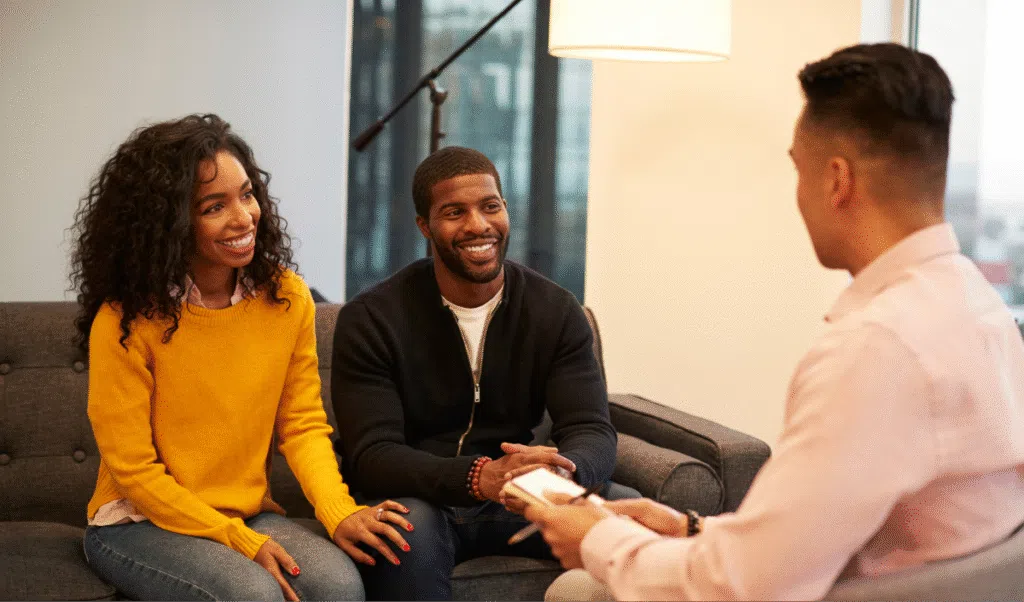
You have picked the venue, tasted the cake, and finalized the guest list. The excitement of your wedding day is building, but in quiet moments, do you ever wonder about the days after the celebration? Do you find yourself worrying about how you’ll handle your first big fight as a married couple, or how you’ll navigate finances once your accounts are merged?
If you feel a mix of joy and anxiety, take a deep breath—you are completely normal. Engagement is a time of high emotion, and it is natural to want to ensure your foundation is as beautiful as your ceremony.
At Maplewood Counseling, we believe that preparing for marriage is just as important as planning the wedding. Premarital counseling isn’t about fixing what is broken; it is about strengthening what is already there. Think of it as a proactive wellness check for your relationship, giving you the tools to navigate life’s inevitable twists and turns with confidence and connection.
Why “Happy” Couples Need Counseling Too
There is a common misconception that therapy is only for couples in crisis. You might think, “We are in love and happy; why do we need counseling?”
The truth is, the best time to work on your relationship is when things are good. When you are not in crisis, you have the emotional bandwidth to learn new skills, deepen your empathy, and establish healthy habits. Research shows that couples who participate in premarital counseling report higher levels of marital satisfaction and are 30% less likely to divorce.
By investing in your partnership now, you are telling your partner, “Our future matters enough to me that I want to give us the best possible start.”
5 Key Benefits of Premarital Counseling
Premarital counseling offers a safe, neutral space to explore the layers of your relationship that might get overlooked in the hustle of daily life. Here is how it can transform your future marriage.
1. Mastering the Art of Communication
We all communicate differently. You might process feelings internally and need space, while your partner might need to talk things out immediately. Without understanding these differences, simple misunderstandings can spiral into hurtful arguments.
In counseling, we move beyond “talking” to true understanding. You will learn active listening techniques that ensure both partners feel heard and validated. We help you decode your partner’s language so you can connect, even when you disagree.
2. Navigating Conflict Constructively
Conflict is inevitable in any long-term partnership. The goal isn’t to stop fighting; it’s to learn how to fight fair.
Many of us inherit our conflict styles from our families of origin. Maybe you learned to yell to be heard, or maybe you learned to shut down to keep the peace. Premarital counseling helps you identify these patterns. We can help you understand your unique conflict styles and give you strategies to de-escalate tension, repair ruptures, and find solutions that honor both perspectives.
3. Aligning Expectations and Roles
Unspoken expectations are the silent killers of marital happiness. You might assume you will spend every holiday with your family, while your partner assumes you will alternate. You might expect your partner to handle the finances, while they assume it will be a joint effort.
We guide you through these specific, logistical conversations before they become points of contention. From household chores to career ambitions, getting on the same page now prevents resentment later.
4. Exploring Financial Values
Money is one of the top sources of stress for married couples. It isn’t just about math; it is about values, security, and freedom. One of you might be a saver who finds comfort in a padded bank account, while the other is a spender who values experiences over accumulation.
Premarital counseling provides a structured environment to discuss debt, budgeting, and financial goals without the emotional charge that usually accompanies money talks.
5. Deepening Intimacy and Connection
Intimacy is the glue of a marriage, but it requires maintenance. We help you explore what emotional and physical intimacy means to each of you. This is a chance to discuss your needs, fears, and desires openly, fostering a connection that goes beyond just being roommates.
The “Hard Conversations”: Topics We Cover
It can be scary to bring up certain topics for fear of ruining the engagement “bliss.” A counselor acts as a gentle mediator, making it safe to discuss:
- Family Planning: Do you want children? If so, how many? How do you envision parenting?
- In-Laws and Boundaries: How will you handle holidays? What role will extended family play in your daily lives?
- Religion and Values: How will you navigate faith differences or spiritual practices?
- Past Trauma: How do past relationships or childhood experiences impact your current reactions?
Addressing these now doesn’t create problems; it reveals where you align and where you need to negotiate.
Debunking Common Myths About Premarital Counseling
Myth: “Counseling will make us doubt our relationship.”
- Reality: While counseling asks tough questions, the goal is clarity, not doubt. Most couples leave sessions feeling closer and more relieved because the “scary” topics are finally out in the open.
Myth: “It’s too expensive.”
- Reality: Consider the cost of a wedding—the dress, the venue, the flowers. Now consider the cost of a divorce or years of unhappiness. Counseling is a relatively small investment in the longevity of your commitment.
Myth: “We don’t have time.”
- Reality: We know wedding planning is busy. That’s why we offer flexible scheduling, including virtual sessions, to fit your life.
How to Get Started
Taking this step requires courage, but the rewards are lifelong. Here is what you can do next:
- Talk to your partner: Approach the conversation with curiosity, not judgment. Say, “I love us, and I want to make sure we have all the tools we need to stay happy forever.”
- Find the right fit: Look for a therapist who specializes in couples work. You need someone neutral, empathetic, and experienced.
- Commit to the process: It usually takes just a few sessions to cover the major bases, but the skills you learn will last a lifetime.
If you are ready to build a marriage as beautiful as your wedding day, we are here to guide you.
Frequently Asked Questions (FAQs) About Premarital Counseling
Q: When should we start premarital counseling?
A: Ideally, as soon as you get engaged or start discussing marriage seriously. Giving yourself a few months before the wedding allows you to work through topics without the time pressure of the big day. However, it is never too late—even a few sessions right before the wedding can be beneficial.
Q: How many sessions do we need?
A: There is no magic number, but most couples benefit from 4 to 8 sessions. This gives us enough time to cover communication, conflict, finances, and family dynamics thoroughly. We can tailor a plan that fits your schedule and needs.
Q: Is premarital counseling religious?
A: It can be, but it doesn’t have to be. At Maplewood Counseling, our approach is clinical and inclusive. We support couples of all backgrounds, faiths, and orientations. If faith is important to you, we incorporate that into our discussions, but we do not impose any religious framework.
Q: What if my partner doesn’t want to go?
A: It is common for one partner to be hesitant. They might view therapy as a sign of weakness or fear being “ganged up on.” Reassure them that the goal is to build strengths, not find faults. You might frame it as “relationship coaching” or skill-building rather than “therapy.”
Q: We are already living together. Do we still need this?
A: Absolutely. Cohabitation is different from the lifelong legal and emotional commitment of marriage. While you might know who does the dishes, counseling helps you navigate the deeper shifts in identity and expectation that come with saying “I do.”
Q: Will the counselor tell us not to get married?
A: Our role is not to approve or deny your marriage. Our role is to help you see your relationship clearly. We facilitate honest conversations so you can make informed decisions about your future.
Helpful Resources
- Individual Therapy: Personalized support for managing depression and stress.
- Understanding Anxiety: Learn how therapy can help manage anxiety.
- Grief Counseling: Support for processing loss and navigating grief.
- Guide to Self-Esteem: Build confidence and self-worth.
- Trauma-Informed Therapy: Support for Couples healing from past trauma.