
Couples Therapy for Infidelity Recovery in NJ
When trust has been broken, the work is delicate, specific, and deeply personal. Maplewood Counseling is a senior-led specialty practice with 20+ years of helping NJ couples navigate betrayal, rebuild trust, and decide what comes next — together, or apart, with clarity.
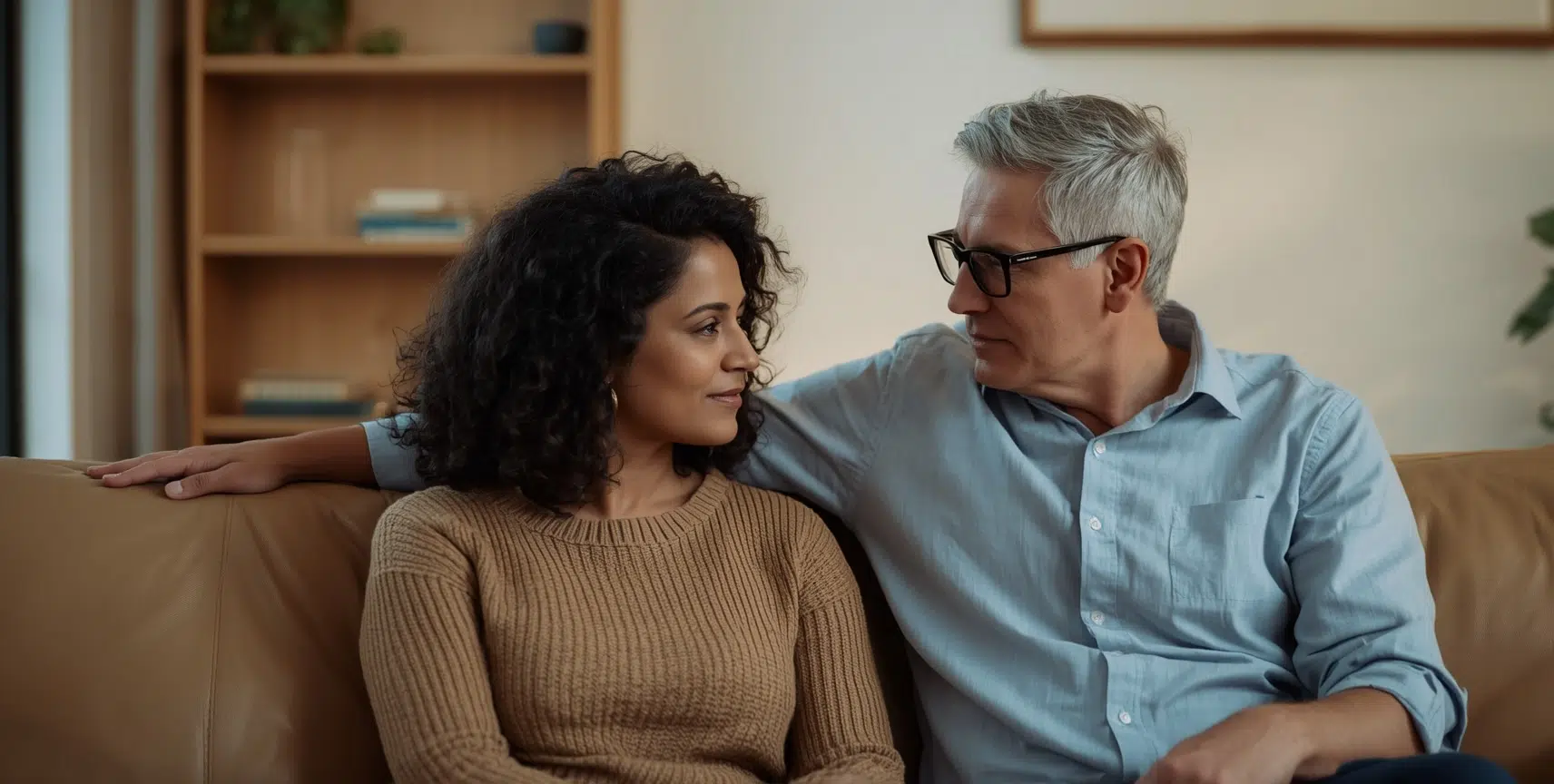
You’re Not Alone — Infidelity Recovery Is Specialty Work
Discovering an affair — or finally telling your partner — is one of the most disorienting experiences a relationship can face. The pain is layered: betrayal, grief, anger, confusion, and often trauma symptoms in the discovering partner. The partner who strayed often carries shame, defensiveness, and their own questions about what led there.
Generic couples therapy isn’t built for this. Infidelity recovery requires therapists trained in attachment-based work, trauma-informed care, and structured repair frameworks. At Maplewood Counseling, this is what our clinicians do every week.
You don’t have to know yet whether you want to stay together. Many couples come to us with that question still open. Our role is to help you both find clarity — and the relationship skills you’ll need either way.
How We Approach Infidelity Recovery
Trauma-informed for both partners
Discovery of an affair often triggers acute stress symptoms — flashbacks, sleep disruption, hypervigilance. We treat the betrayed partner’s nervous system as the priority while also creating space for the partner who strayed to do their own work.
EFT + attachment-based modalities
Emotionally Focused Therapy (EFT) and attachment-based approaches are the most evidence-based frameworks for infidelity recovery. We don’t use scripts or one-size frameworks — we map your specific relational patterns.
60-minute sessions + 90-minute intensives
Standard 60-minute sessions for weekly work, plus 90-minute intensives when you’re in an impasse, after disclosure conversations, or when you need to do significant repair work in a single session.
Both partners welcome — or just one
Many couples come together from the start. Some start with one partner (especially when the other isn’t ready). We accommodate both paths and adjust the work as readiness shifts.
Discernment work when appropriate
Some couples aren’t sure they want to repair. Our experienced clinicians can hold structured discernment conversations to help you both decide with clarity, not pressure.
Both in-person and statewide telehealth
In-person at our Maplewood, NJ office, or via secure video across all 21 NJ counties. The mode shouldn’t be a barrier to specialty care.
Our Team of Licensed NJ Specialists
Maplewood Counseling is a senior-led specialty practice. Our infidelity recovery work is led by experienced LCSW and LMFT clinicians, each with focused training in EFT, attachment-based therapy, and trauma-informed couples work.
This isn’t generalist therapy — every clinician on our team is matched to couples for whom infidelity recovery is squarely in their practice focus. Meet our team →
Insurance & Fees
Out-of-network by design
Maplewood is an out-of-network practice. This is intentional: it lets us protect session length (60 and 90 minutes — not 45), keep caseloads small, and choose modalities based on what works rather than what insurance will pay for.
How OON works for most clients: we provide a superbill after each session for you to submit to your insurance. Most OON plans reimburse 50–80% per session. We accept HSA, FSA, and HRA. We can help you understand your specific benefits during your 15-Minute Fit Call.
Out-of-network specialty practice. HSA/FSA eligible — most clients receive partial reimbursement. View current rates & insurance details →
Couples Therapy for Infidelity Across NJ
Whether you’re nearby or anywhere in NJ, we have in-person and telehealth options. Our clinicians serve couples throughout Essex County and all 21 NJ counties.
Frequently Asked Questions
How long does infidelity recovery typically take?
Most couples we work with see meaningful shifts within 8–12 sessions, with deeper repair work continuing 6–18 months. Recovery isn’t linear — there are progress weeks and setback weeks. We pace the work to what your nervous systems can hold.
Can both partners come together, or should we start separately?
Either works. Many couples come together from the start. Some begin separately — especially when one partner isn’t ready, or when the betrayed partner needs individual processing first. We adjust as you go.
What if my partner refuses to come to therapy?
We can work with just you. Individual therapy with an infidelity-trained clinician can be powerful — helping you process the betrayal, regulate trauma responses, and decide what you want next. Many partners eventually join once they see real change happening.
What’s the difference between infidelity counseling and regular couples therapy?
Infidelity recovery requires specific clinical training: trauma-informed work for the discovering partner, structured disclosure protocols, attachment repair frameworks, and the ability to hold both partners’ experiences without taking sides. Generic couples therapy can actually re-traumatize when it isn’t equipped for this work.
Do you offer 90-minute intensive sessions?
Yes. We offer 90-minute intensives for couples in impasses, after disclosure conversations, or when you need to do significant repair work in a single session. They’re often used at key transition points in the recovery process.
Will my therapist judge us?
No. Our clinicians are trained to hold complexity. Infidelity stories are almost always more nuanced than they first appear, and we approach both partners with respect for what each is carrying. Judgment isn’t useful clinical work.
How soon can we be seen?
Most new couples have their first session within 1–2 weeks of their Fit Call. If urgency is acute, we’ll do our best to fit you in sooner.
Is this confidential?
Yes. All sessions are confidential under NJ licensure standards. The only exceptions are the standard mandated reporting situations (imminent harm to self or others, abuse of a minor or vulnerable adult). Otherwise, what happens in session stays in session.
Do you offer online sessions for infidelity recovery?
Yes. Many couples find telehealth particularly useful for infidelity work — you can do sessions from separate locations if that’s what you need. We use a HIPAA-compliant video platform and cover all 21 NJ counties.
What if we decide we don’t want to stay together?
That’s a legitimate outcome of this work. Discernment counseling — clarifying whether to repair, separate, or keep working — is one of the things our clinicians are trained in. Either path is held with respect.
Ready to Start Repairing?
Call (973) 902-8700 — our care team responds quickly, and it’s confidential. We’ll match you to the right specialist. No pressure to commit to ongoing therapy until you’ve met the clinician and felt the fit.
Infidelity Recovery Questions People Search For Most
Can a marriage survive infidelity?
Yes — many marriages not only survive infidelity but ultimately emerge stronger when both partners commit to therapy. Published research suggests roughly 50-70% of couples who pursue infidelity recovery counseling stay together, with many reporting deeper trust and intimacy than before. Recovery depends on full disclosure, the unfaithful partner taking responsibility, and structured clinical work.
How long does it take to rebuild trust after an affair?
Most couples need 12-24 months of consistent work to rebuild genuine trust after infidelity — though the most painful phase typically eases within 3-6 months. Recovery isn’t linear. Triggers, anniversaries, and unexpected reminders are normal. At Maplewood Counseling, we use trauma-informed and EFT approaches to support both partners through each phase.
How much does infidelity counseling cost?
Infidelity counseling fees vary based on each therapist’s training, credentials, and specialty. At Maplewood Counseling, rates differ by clinician level — associate, senior therapist, and director — with pricing listed transparently on our book a session page. Most couples pay out-of-pocket and use superbills for out-of-network insurance reimbursement.
Should we do therapy after infidelity?
Almost always yes — even if you’re certain you want to stay together. The patterns that led to the affair don’t resolve themselves, and trust rebuilds faster with a skilled clinician guiding both partners. If you’re uncertain whether to stay or separate, discernment counseling is a short, structured process designed to bring clarity without pushing a direction.
What kind of therapy is best for couples after infidelity?
The most evidence-based approaches are Emotionally Focused Therapy (EFT) and trauma-informed care — both designed to address the deep emotional wounds and attachment ruptures that infidelity creates. CBT and psychodynamic approaches are sometimes integrated for individual symptoms (anxiety, intrusive thoughts). At Maplewood Counseling, our infidelity recovery work draws primarily on EFT and trauma-informed methods.
Meet Our Infidelity Recovery Specialists
Three NJ-licensed clinicians with deep specialty experience in couples, family, and individual therapy.

Debra Feinberg, LCSW
Director · NJ Licensed
Founder of Maplewood Counseling. Specializes in couples therapy, EFT, and attachment-based work.

Robert Jenkins, LCSW
Senior Therapist · NJ Licensed
Specializes in couples therapy, discernment counseling, and individual therapy.

Daphne Berkovits, LMFT
Senior Therapist · NJ Licensed
Specializes in couples therapy, marriage counseling, and family systems work.