
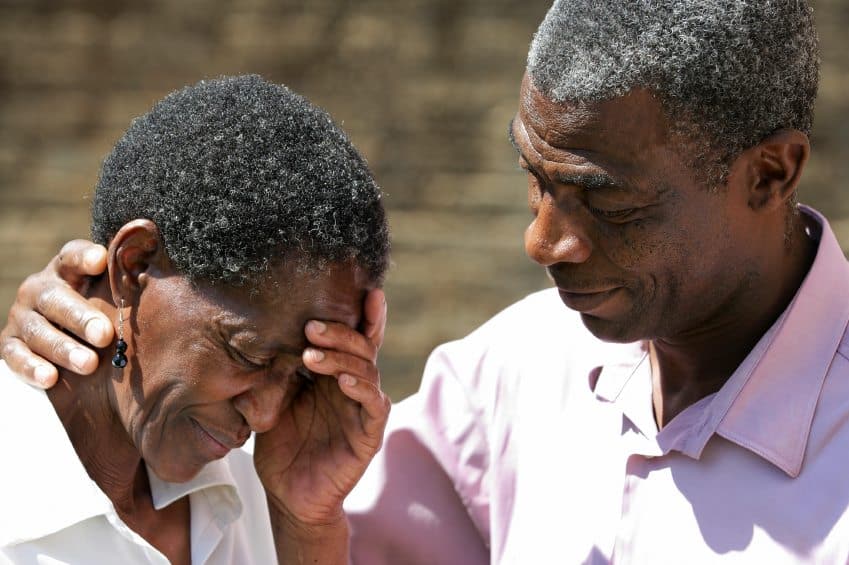
How to Deal with Trauma and Traumatic Stress
Healing from Trauma and PTSD: Finding Your Path Forward

Has a painful experience left a lasting mark on your life? Do you feel stuck in a cycle of anxiety, flashbacks, or emotional numbness that you can’t seem to break? Trauma can feel like an invisible weight, impacting your relationships, your sense of safety, and your ability to feel like yourself. You are not alone, and healing is possible.
At Maplewood Counseling, we understand that trauma is not just a memory; it’s a deep wound that lives in the body and mind. Our approach to trauma and PTSD therapy is grounded in compassion, safety, and proven methods that help you process what happened and reclaim your life. We provide a supportive, non-judgmental space where you can gently untangle the knots of the past and begin to build a future filled with hope and resilience.
[Book a Confidential Consultation to Start Healing]
Understanding Trauma’s Impact
Trauma is more than just a bad event. It’s any experience that overwhelms your ability to cope, leaving you feeling helpless and unsafe. It can stem from a single incident like an accident or assault, or from ongoing distress such as emotional neglect, discrimination, or a high-conflict relationship.
The effects can show up in ways you might not expect:
- Emotional Upheaval: Intense fear, anger, guilt, or periods of feeling completely numb.
- Intrusive Memories: Unwanted flashbacks, nightmares, or distressing thoughts about the event.
- Avoidance: Staying away from people, places, or situations that remind you of the trauma.
- Hypervigilance: Feeling constantly on edge, easily startled, or always looking for danger.
- Relationship Strain: Difficulty trusting others, feeling disconnected, or struggling with intimacy.
These are not signs of weakness; they are normal responses to abnormal experiences. Our goal is to help you understand these responses and develop new, healthy ways of coping.
Our Approach: Gentle, Effective, Trauma-Informed Care
Healing from trauma isn’t about “getting over it.” It’s about integrating the experience into your story in a way that no longer controls your present. Our therapists are trained in Trauma-Informed Care, meaning every aspect of our work is designed to create safety, build trust, and empower you.
We utilize a range of evidence-based therapies tailored to your unique needs:
- Emotionally Focused Therapy (EFT): Helps repair the bonds in your relationships that have been damaged by trauma, fostering a secure connection where healing can happen together.
- Cognitive Behavioral Therapy (CBT): Provides practical tools to challenge and change the negative thought patterns and behaviors that keep you stuck in a trauma response.
- Mindfulness-Based Practices: Teaches you to ground yourself in the present moment, manage overwhelming emotions, and reduce your body’s stress response.
- Psychodynamic & IFS-Informed Therapy: Explores how past experiences shape your current self and helps you connect with and heal the wounded parts of you with compassion.
We move at your pace, ensuring you never feel rushed or pressured. Your story is yours to tell, and we are here to listen with empathy and guide you with expertise.
Frequently Asked Questions About Trauma Therapy
What if I’m not ready to talk about the details of what happened?
That is perfectly okay. Trauma therapy does not require you to immediately relive painful memories. A crucial part of our work is first establishing safety and building coping skills. You are always in control of what you share and when. The focus is on healing, not re-traumatizing.
How can therapy help if I can’t change what happened in the past?
While we cannot change the past, therapy can change the power the past has over your present. The goal is to reduce the emotional charge of the memories, process the stored trauma in your body, and help you create a life that isn’t defined by what you’ve been through.
My trauma happened a long time ago. Is it too late to get help?
It is never too late. The brain and nervous system have an incredible capacity for healing at any age. Many people seek therapy years or even decades after a traumatic event and find profound relief and a renewed sense of well-being.
How does trauma affect relationships, and can couples therapy help?
Trauma can deeply impact trust, intimacy, and communication. One partner might feel distant while the other feels helpless. Couples therapy can be incredibly effective, creating a safe space for both partners to understand the trauma’s impact and learn how to support each other’s healing, ultimately strengthening their bond.
What does it mean to be “trauma-informed”?
It means we recognize the widespread impact of trauma and understand potential paths for recovery. We prioritize your physical and emotional safety, build trustworthiness, offer choices, and collaborate with you in a way that empowers you throughout the entire therapeutic process.
You Deserve to Feel Safe and Whole Again
Healing is not a linear process, but it is a possible one. You have already shown incredible strength by surviving. Now, let us help you move from surviving to thriving. Maplewood Counseling is here to provide the expert guidance and compassionate support you need to walk the path of recovery.
Take the first brave step. Reach out today.
Helpful Resources
- Individual Therapy: Personalized support for managing depression and stress.
- Understanding Anxiety: Learn how therapy can help manage anxiety.
- Grief Counseling: Support for processing loss and navigating grief.
- Guide to Self-Esteem: Build confidence and self-worth.
- Trauma-Informed Therapy: Support for Couples healing from past trauma.