Maplewood Counseling
Recognizing Emotional Manipulation in Relationships

Recognizing Emotional Manipulation in Relationships

Recognizing Emotional Manipulation in Relationships

Help If You Are Being Manipluated
Get Started

Recognizing Emotional Manipulation in Relationships


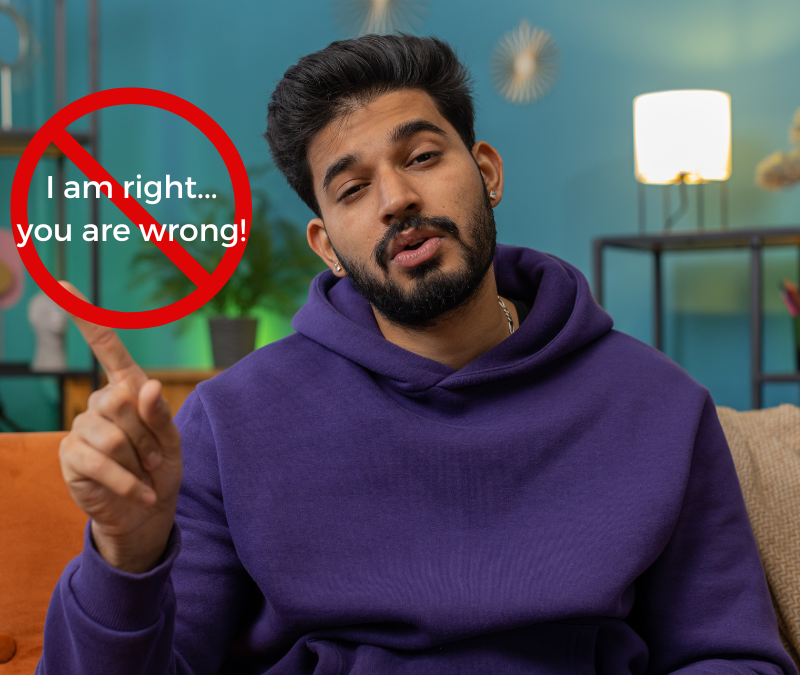
In any relationship, trust and honesty are fundamental. However, emotional manipulation can subtly erode these foundations, leaving you feeling confused and controlled. This post will provide insights into emotional manipulation, helping you identify manipulative behaviors and foster healthier relationships.

Introduction to Emotional Manipulation

Believing someone is well-intentioned may allow us to overlook behaviors that are manipulative. Emotional manipulation is about control—maintaining the upper hand and power over you. By recognizing these signs, you can safeguard your emotional well-being and establish healthier interactions with those around you.

What is Emotional Manipulation?


Definition and Tactics

Emotional manipulation involves tactics that a person uses to control another’s emotions and actions. These tactics are often subtle and might include guilt-tripping, gaslighting, and playing the victim. Understanding these behaviors can help you identify them in your relationships.

The Impact on Victims

Victims of emotional manipulation often experience self-doubt, anxiety, and a loss of self-esteem. Over time, this can lead to significant emotional and psychological harm. Recognizing the signs early can help mitigate these effects.

Importance of Awareness

Awareness is the first step toward prevention. By educating yourself about emotional manipulation, you become empowered to protect your emotional health and build more authentic relationships.

Identifying Manipulative Behaviors


Guilt-Tripping

A common tactic of emotional manipulators is guilt-tripping. They make you feel responsible for their feelings or actions, guilt-tripping you into compliance. This creates an unhealthy dynamic where your needs are constantly sidelined.

Gaslighting

Gaslighting is a form of psychological manipulation where the manipulator makes you question your reality. They might deny events, distort facts, or blame you for issues, leaving you doubting your memory and perception.

Playing the Victim

Manipulators often play the victim to attract sympathy and avoid accountability. By casting themselves as the disadvantaged party, they shift focus away from their manipulative behaviors and make you feel guilty for their plight.

Recognizing Emotional Manipulation in Relationships


In Couples

In romantic relationships, emotional manipulation can manifest as constant criticism, withholding affection, or excessive jealousy. Recognizing these patterns early can help you address the issue before it escalates.

Within Families

Family dynamics can also harbor emotional manipulation. Parents might use guilt to control their children, or siblings may manipulate each other for personal gain. Being aware of these patterns can help maintain healthier family relationships.

Among Friends

Friendships are not immune to manipulation. A manipulative friend might use your secrets against you, constantly demand favors, or guilt-trip you into prioritizing their needs over yours. Recognizing these signs can help you maintain healthy boundaries.

Healthy Relationships vs. Manipulative Relationships


Open Communication

Healthy relationships thrive on open communication. If you feel unable to express your thoughts and feelings without fear of repercussions, it might be a sign of manipulation.

Mutual Respect

Respect is a hallmark of healthy relationships. If one party consistently disregards the other’s feelings or needs, it indicates an imbalance of power, often rooted in manipulation.

Trust and Support

Trust and support are crucial components of any relationship. Manipulative behaviors erode trust and create a toxic environment where support is conditional and self-serving.


How to Address Emotional Manipulation


Set Boundaries

Establishing clear boundaries is vital in dealing with emotional manipulators. Communicate your limits and ensure they are respected to protect your emotional well-being.

Seek Support

Reach out to trusted friends, family, or professionals for support. They can provide perspective, validation, and guidance as you navigate the complexities of emotional manipulation.

Professional Help

In some cases, professional help may be necessary. Therapists and counselors can offer strategies to cope with manipulation and rebuild your confidence and self-esteem.

Conclusion

Recognizing emotional manipulation is crucial for maintaining healthy relationships. By identifying manipulative behaviors and taking steps to address them, you can protect your emotional health and foster more genuine connections. If you suspect you’re being emotionally manipulated, don’t hesitate to seek support and set boundaries to safeguard your well-being.

If you are dealing with emotional manipulation and need help, get in touch. 

Get in touch now with Maplewood Counseling

7 Toxic Relationship Signs


3 Healthy Ways to Rekindle the Spark in Your Relationship

3 Healthy Ways to Rekindle the Spark in Your Relationship

How to Rekindle The Spark in Your Relationship

Rekindle your intimacy and connection
Get Started

3 Fun Ways to Rekindle Your Relationship

Maintaining a thriving relationship can be challenging, especially in today’s fast-paced world. If you and your partner find yourselves feeling more like roommates than lovers, it might be time to inject some excitement and intimacy back into your relationship. This blog will explore three effective ways to rekindle the spark between you and your partner. By incorporating playful behavior, engaging in rituals, and expressing gratitude, you can reconnect and reignite the passion in your marriage or relationship.

The Importance of Playful Behavior in Relationships


Building a Stronger Bond Through Play

Engaging in playful behavior is essential for maintaining a healthy and happy relationship. When couples play together, they build a stronger emotional bond. Playful activities like games, inside jokes, and fun physical activities create shared experiences that bring partners closer together. These moments of joy and laughter can help you and your partner feel more connected and in sync with each other.

Reducing Stress and Increasing Happiness

Life can be stressful, and it’s easy for that stress to seep into your relationship. Engaging in playful activities helps reduce stress levels, providing a much-needed break from daily pressures. When you and your partner laugh and have fun together, your brains release endorphins, the body’s natural feel-good chemicals. This boost in happiness can improve your overall mood and make your relationship more enjoyable.

Maintaining Spontaneity and Excitement

One of the key elements of a thriving relationship is maintaining spontaneity and excitement. Playful behavior helps keep things fresh and exciting, preventing your relationship from becoming stagnant. Whether it’s planning surprise dates, trying new activities together, or simply being silly with each other, incorporating play into your relationship can keep the magic alive and ensure that you continue to grow together as a couple.

The Power of Rituals in Relationships


Deepening Your Connection Through Rituals

Rituals are powerful tools for deepening your connection with your partner. These can be as simple as having a weekly date night or as elaborate as creating special traditions for holidays and anniversaries. By engaging in rituals, you create a sense of continuity and stability in your relationship, which can strengthen your bond and make you feel more secure and supported.

Learning More About Each Other

Rituals provide an opportunity for couples to learn more about each other. Through shared activities and traditions, you can gain insights into your partner’s preferences, values, and beliefs. This deeper understanding can help you communicate more effectively and address any issues that may arise in your relationship. Additionally, rituals can help you discover new ways to support and appreciate each other, further enhancing your connection.

Gaining Insights into Your Relationship’s Future

Engaging in rituals can also give you valuable insights into the future of your relationship. By observing how you and your partner interact during these special moments, you can gauge the health and direction of your relationship. Are you both committed to maintaining and nurturing your bond? Do you share similar goals and aspirations? These insights can help you make informed decisions about your relationship and ensure that you continue to grow and evolve together.

The Role of Gratitude in Relationships


Increasing Feelings of Connection and Satisfaction

Expressing gratitude is a powerful way to enhance your relationship. When you regularly show appreciation for your partner, it increases feelings of connection and satisfaction for both the giver and the receiver. Gratitude can help you focus on the positive aspects of your relationship, making you feel more content and fulfilled.

Strengthening Your Emotional Bond

Gratitude plays a crucial role in strengthening your emotional bond with your partner. By expressing appreciation for the little things they do, you create a positive feedback loop that reinforces your connection. This practice can help you cultivate a more loving and supportive relationship, where both partners feel valued and cherished.

Encouraging Positive Behavior and Growth

When you express gratitude, you encourage positive behavior and personal growth in your relationship. Recognizing your partner’s efforts and achievements motivates them to continue striving for improvement. Additionally, gratitude can foster a sense of mutual respect and admiration, which can help you overcome challenges and grow together as a couple.

Bringing It All Together


Creating a Balanced Approach

To rekindle the spark in your relationship, it’s essential to create a balanced approach that incorporates playful behavior, rituals, and gratitude. By combining these practices, you can create a strong foundation for a thriving and fulfilling relationship. Each of these elements plays a unique role in enhancing your connection, reducing stress, and fostering growth.

Practicing Consistency and Patience

Reconnecting with your partner and reigniting the passion in your relationship takes time and effort. Practicing consistency and patience is crucial for achieving lasting results. Make a conscious effort to engage in playful activities, establish meaningful rituals, and express gratitude regularly. Over time, these practices will become ingrained in your relationship, leading to a deeper and more satisfying connection.

Seeking Support and Guidance

If you’re struggling to implement these strategies or need additional support, consider seeking guidance from a professional. Relationship counselors and therapists can provide valuable insights and tools to help you and your partner overcome challenges and strengthen your bond. Additionally, joining a community of like-minded individuals, such as online forums or support groups, can offer encouragement and advice from others who are on a similar journey.

Conclusion

Rekindling the spark in your relationship is possible with the right approach and mindset. By incorporating playful behavior, engaging in rituals, and expressing gratitude, you can reconnect with your partner and reignite the passion in your marriage or relationship. Remember to practice consistency and patience, and don’t hesitate to seek support if needed. With dedication and effort, you can create a thriving and fulfilling relationship that stands the test of time.

If you need help rekindling the connection and spark in your relaitonship, get in touch.

Get in touch now with Maplewood Counseling

6 Ways to Be a Better Partner in Your Marriage or Relationship


Recognizing Emotional Manipulation in Relationships

Controlling Your Reactivity | Improve Yourself & Your Relationships

Need Help Controlling Your Reactivity?

Here are ways to reduce anger and reactivity
Get Started

Controlling Your Reactivity – 6 Strategies for Better Emotional Well-being


Ever find yourself snapping at your loved ones or feeling overwhelmed at work? Reactivity can wreak havoc on our daily lives and relationships. But there’s good news. By learning how to control our reactions, we can improve not just our mental health but also our interactions with others. This blog post will guide you through six effective ways to manage your reactivity, providing practical tips and real-life examples to help you achieve emotional well-being and build healthier relationships.

Understanding Reactivity


Definition and Common Triggers

Reactivity refers to the tendency to respond emotionally and impulsively to situations without thinking. Common triggers include stress, fatigue, and unresolved personal issues. For instance, a minor disagreement with a partner can escalate quickly if one or both parties react emotionally without pausing to consider the other’s perspective.

Effects on Personal and Professional Relationships

Uncontrolled reactivity can strain both personal and professional relationships. In a family setting, frequent outbursts can create a tense atmosphere, leading to misunderstandings and resentment. In the workplace, it can result in conflicts with colleagues, reducing productivity and job satisfaction. Understanding these effects underscores the importance of managing our responses effectively.

The Importance of Control


Benefits of Managing Reactivity

Managing reactivity offers numerous benefits, including improved relationships, better mental health, and increased self-esteem. By learning to control our reactions, we create a more positive environment for ourselves and those around us. This control allows us to respond thoughtfully rather than impulsively, leading to more constructive outcomes.

Impact on Individual Well-being and Mental Health

Unmanaged reactivity often leads to chronic stress and anxiety, which can have serious repercussions on mental health. By controlling our reactions, we reduce these stressors, leading to a calmer and more balanced state of mind. This, in turn, enhances our overall well-being and helps us maintain a healthier outlook on life.

Practical Tips for Controlling Reactivity


Breathing Exercises and Mindfulness Techniques

One of the most effective ways to stay calm is through breathing exercises and mindfulness techniques. Simple practices like deep breathing or meditation can help you pause and collect your thoughts before reacting. For example, taking a few deep breaths when you feel anger rising can significantly reduce the intensity of your reaction.

Strategies for Improving Communication and Active Listening Skills

Effective communication and active listening are crucial for managing reactivity. By focusing on what the other person is saying, rather than immediately reacting, we can respond more thoughtfully. Techniques like repeating back what you’ve heard or asking clarifying questions can help ensure that you fully understand the situation before reacting.

The Role of Self-awareness and Emotional Intelligence

Self-awareness and emotional intelligence play a key role in controlling reactivity. Being aware of your emotional triggers and recognizing your feelings as they arise can help you manage your responses better. Developing emotional intelligence involves understanding both your emotions and those of others, leading to more empathetic and measured reactions.

Implementing Changes on a Daily Basis


Integrating Tips into Daily Routines and Interactions

Incorporating these strategies into your daily routine can make a significant difference. Start by setting aside a few minutes each day for mindfulness exercises or deep breathing. Practice active listening during conversations with family, friends, and colleagues. The more you incorporate these practices into your daily life, the more natural they will become.

Setting Realistic Goals for Personal Growth and Change

Change doesn’t happen overnight. It’s important to set realistic goals for yourself. Start small, perhaps by focusing on one aspect of reactivity at a time. Track your progress and celebrate small victories along the way. Over time, these small changes will add up, leading to significant improvements in how you manage your reactions.

The Ripple Effect


Positive Impact on Personal and Professional Relationships

Controlling reactivity not only improves your mental health but also has a ripple effect on your relationships. When you respond calmly and thoughtfully, it sets a positive tone for interactions, encouraging others to do the same. This can lead to more harmonious and productive relationships both at home and at work.

Real-life Examples of Successful Reactivity Management

Consider Sarah, a project manager who struggled with low frustration tolerance. By practicing mindfulness and improving her communication skills, she noticed a significant improvement in her interactions with her team. Similarly, John, a father of two, used breathing exercises to manage his anger, leading to a more peaceful home environment. These real-life examples show that with consistent effort, managing reactivity is achievable and beneficial.

Conclusion

Managing reactivity is crucial for personal development and healthier relationships. By understanding our triggers, practicing mindfulness, and improving our communication skills, we can learn to control our reactions. This not only enhances our well-being but also positively impacts those around us. We encourage you to share your experiences and tips for managing reactivity in the comments below. For those looking to explore further, consider signing up for our newsletter or booking a session with one of our emotional well-being experts.

By taking these steps, you can achieve better emotional well-being and build stronger, healthier relationships. Remember, the power to change starts within you.

If you need help controlling yoru reactivity, we can help. Get in touch today.

Get in touch now with Maplewood Counseling

7 Reasons We Try to Change People We Love


The 3 Types of Narcissism | Grandiose, Fragile, Toxic Narcissists

The 3 Types of Narcissism | Grandiose, Fragile, Toxic Narcissists

3 Types of Narcissism Explained: Signs & Coping Strategies

3 Types of Narcissism Explained: Signs & Coping Strategies

Have you ever felt lost in a relationship where your concerns are dismissed, or your needs feel invisible? Do you find yourself questioning your reality or working extra hard to keep the peace with someone who always seems to put themselves first? You’re not alone—and your experiences are valid.

Narcissism is a complex spectrum, not a single trait or type of person. It can show up in all kinds of relationships—romantic, family, friendship, or professional—impacting people of every background. At Maplewood Counseling, we believe that understanding the different faces of narcissism can help you reclaim your sense of self-worth, rebuild healthy connections, and protect your emotional well-being.

What Is Narcissism?

Narcissism involves patterns of self-centeredness, a deep need for validation, and difficulty connecting with the feelings and experiences of others. While a bit of self-assurance can be healthy, rigid or extreme narcissistic behaviors can erode relationships and lead to confusion, distress, and isolation for those around them. It’s important to remember—narcissistic behavior can affect anyone, regardless of gender, culture, or background.

Exploring the Three Main Types of Narcissism

Narcissism often takes different forms, and recognizing these distinctions can be the first step toward setting boundaries, seeking support, and reclaiming your peace.

1. Grandiose Narcissism: The Outward Achiever

What to Look For:

  • Open confidence, charm, or charisma
  • Tends to dominate conversations and seek praise
  • May overlook or invalidate the experiences of others

Relationship Impact:

  • Partners, friends, or colleagues may feel overshadowed or dismissed, with their accomplishments or needs minimized.

Coping Strategies:

  • Set clear, respectful boundaries for how you expect to be treated.
  • Practice self-affirmation to stay grounded in your own worth.
  • Explore support options if you feel repeatedly invalidated or overwhelmed.

2. Vulnerable (Covert) Narcissism: The Hidden Struggler

What to Look For:

  • Appears sensitive, anxious, or shy
  • Hypersensitive to criticism and craves validation
  • May use guilt or victimhood to gain reassurance from others

Relationship Impact:

  • Others may feel pressured to continually provide reassurance and accommodate shifting moods or sensitivities.

Coping Strategies:

  • Kindly acknowledge their feelings, but don’t take responsibility for their self-worth.
  • Maintain your own support network—these dynamics can be emotionally draining.
  • Be gentle with yourself; your needs matter just as much.

3. Toxic (Malignant) Narcissism: The Manipulator

What to Look For:

  • Uses manipulation, gaslighting, or control to gain power
  • Lacks empathy and may disregard the well-being of others
  • May combine both grandiose and vulnerable traits

Relationship Impact:

  • Emotional abuse, persistent self-doubt, anxiety, or isolation among those close to them
  • Unpredictable moods and recurring conflict

Coping Strategies:

  • If possible and safe, limit contact or disengage from harmful interactions.
  • Practice the “grey rock” method: respond with neutral, unemotional statements to reduce escalation.
  • Seek support from inclusive professionals, groups, or trusted individuals.

The Emotional Impact: You Are Not Alone

Living with or around narcissistic behavior can take a toll on anyone—regardless of identity, background, or relationship role. Common experiences may include:

  • Ongoing self-doubt or anxiety
  • Withdrawing from activities or relationships you once enjoyed
  • Questioning your memory or sense of reality
  • Feeling trapped, isolated, or hesitant to seek help

Remember, seeking understanding or support is a sign of strength, not weakness. You deserve relationships that honor your experiences and reflect empathy and mutual respect.

Actionable Steps and Support

  1. Name What’s Happening: Learn to spot patterns—invalidate blame-shifting, gaslighting, or manipulation.
  2. Set Healthy Boundaries: Communicate calmly and specifically. “I am not comfortable continuing this conversation when I feel unheard.”
  3. Practice Self-Compassion: Remind yourself that your feelings and experiences are valid.
  4. Reach Out: Connect with inclusive counselors familiar with narcissistic dynamics, or join support groups that honor all identities and lived experiences.
  5. Prioritize Safety: If you feel threatened or deeply harmed, prioritize your safety and get professional help.

Our Commitment to Inclusive Support

At Maplewood Counseling, our practice is committed to serving individuals and families from all walks of life—including BIPOC, LGBTQIA+, interfaith, interracial, and blended families. Our therapists draw from their unique experiences and best practices to create safe, affirming, and culturally sensitive spaces for all clients.

Contact us today to schedule your first session and take the first step toward challenging issues with narcissism.

Frequently Asked Questions (FAQs) About Narcissism

Q: Is narcissism the same in everyone?
A: No, narcissistic behaviors vary widely. Culture, upbringing, and personal experiences all influence how narcissism is expressed and experienced.

Q: Can people change narcissistic patterns?
A: True change is possible only if the individual recognizes the need and is willing to engage in ongoing self-reflection and professional support. This process is complex and can take time.

Q: How does narcissism affect children in a family?
A: Children may internalize feelings of inadequacy or struggle with self-worth and boundaries, regardless of age or family background. Supportive therapy and honest conversations can help break these cycles.

Q: What are early warning signs that narcissism may be hurting my relationship?
A: Look for patterns where your voice feels diminished, you feel responsible for another’s emotions or behaviors, or you start neglecting your own needs and support system.

Q: Are certain communities more affected by narcissistic behavior?
A: Narcissism can impact anyone, but systems of power, discrimination, or marginalization may amplify its effects or make it harder to seek help. Inclusive, culturally aware support can help address these unique layers.

Q: Where can I learn more or find support?
A: Visit our Narcissistic Abuse Resource Center or learn more about our individual counseling options.


Reclaiming Your Power and Voice

You deserve relationships marked by respect, empathy, and genuine connection—no matter your background, gender, or circumstances. If you’re ready to move forward, set boundaries, or simply need a safe space to talk, reach out to our inclusive counseling team. We’re here to walk alongside you and help you move toward confidence, clarity, and renewed well-being.


Helpful Resources


5 Pillars of a Successful Relationship: A Guide for Every Couple

5 Pillars of a Successful Relationship: A Guide for Every Couple

The 5 Pillars of a Successful Relationship: A Guide for Every Couple

The 5 Pillars of a Successful Relationship: A Guide for Every Couple

What does a thriving relationship look like to you? Is it about never fighting, or is it about knowing how to repair the rift after a disagreement? Is it about doing everything together, or having the security to pursue your own passions?

The truth is, there isn’t a single blueprint for love. Relationships today are as diverse as the people in them. Whether you are in a long-term marriage, a new partnership, an LGBTQIA+ relationship, or navigating the complexities of a blended family, the core ingredients for success often remain the same. It’s not about perfection; it’s about intention.

At Maplewood Counseling, we believe that successful relationships aren’t just found; they are built, day by day, through small, consistent choices. Here are five fundamental pillars that can help you transform your partnership from surviving to thriving.

1. Radical Acceptance and Mutual Respect

We often enter relationships hoping to change our partners into a “better” version of themselves. But true connection flourishes in the soil of acceptance.

What this looks like:
Mutual respect isn’t just about being polite. It’s about honoring your partner’s autonomy, their boundaries, and their unique perspective—even when it clashes with your own. It means validating their feelings without trying to “fix” them immediately.

For interracial or intercultural couples, this respect includes a deep appreciation for your partner’s cultural background and lived experiences. It involves listening to understand, rather than listening to debate.

Actionable Tip:
Next time you find yourself frustrated by a difference in opinion, pause. Instead of countering their point, try saying, “I never looked at it that way. Tell me more about why this feels important to you.” This simple shift turns a potential conflict into a moment of connection.

2. Communication That Connects, Not Just Conveys

We hear it all the time: “Communication is key.” But what kind of communication? Talking about logistics—who’s picking up the kids, what’s for dinner—is necessary, but it doesn’t build intimacy.

The Deeper Layer:
Successful couples practice vulnerable communication. This means sharing your fears, your dreams, and your “ugly” feelings without fear of judgment. It also means navigating conflict with the goal of understanding, not winning.

Navigating “I” vs. “You”:
When tensions rise, “You always…” or “You never…” statements act as grenades. They trigger defensiveness.

  • Instead of: “You never listen to me!”
  • Try: “I feel lonely when I’m sharing my day and I don’t see you looking at me. I really need to feel heard right now.”

For the Listener:
Your job isn’t to solve the problem instantly. It is to be a witness to your partner’s experience. Empathy—simply saying, “That sounds really hard, I’m sorry you’re dealing with that”—is often the most powerful tool in your kit.

3. Creating a Culture of Appreciation

In the beginning, it’s easy to notice everything your partner does right. Over time, our brains are wired to scan for what’s wrong. Successful relationships actively fight this negativity bias.

The Magic Ratio:
Research suggests that for every negative interaction during a conflict, stable relationships need at least five positive interactions to balance it out. This doesn’t mean grand gestures; it means small, frequent moments of kindness.

Building the Habit:

  • Acknowledge the invisible work: “Thank you for handling the insurance paperwork.”
  • Compliment character, not just appearance: “I love how patient you were with the kids today.”
  • Physical touch: A hand on the shoulder or a hug that lasts just a few seconds longer can release oxytocin and lower stress.

4. Nurturing Intimacy Beyond the Bedroom

Intimacy is often equated with sex, but a successful relationship requires intimacy in all its forms: emotional, intellectual, and experiential.

Emotional Safety:
Do you feel safe enough to be your true self? Can you admit when you’re struggling? For many couples, especially those dealing with trauma or past infidelity, rebuilding this safety is the primary work of therapy.

Shared Meaning:
What are you building together? This could be raising a family, traveling the world, supporting social causes, or simply creating a home that feels like a sanctuary. Having shared goals gives your partnership a sense of purpose that transcends the daily grind.

Actionable Tip:
Schedule a weekly “state of the union” meeting that is not about chores or finances. Ask questions like: “What’s one thing I did this week that made you feel loved?” or “What is a dream you’ve been thinking about lately?”

5. The Ability to Repair

Conflict is inevitable. In fact, fighting can be a sign that you are both invested and trying to make things work. The difference between a successful relationship and a struggling one isn’t the absence of fighting—it’s the presence of repair.

The Art of the Apology:
A good repair attempt de-escalates tension. It says, “Our relationship is more important than my pride.”

  • “I’m sorry I snapped at you. I’m really stressed about work, but that’s not an excuse.”
  • “Can we take a break? I’m feeling overwhelmed and don’t want to say something hurtful.”

If you’ve had a “rupture” in your connection, prioritize the repair. Don’t let silence fester. Come back together, take responsibility for your part, and reconnect.

Frequently Asked Questions

1. Is it normal to feel like we are just roommates?
Yes, this is a very common phase, especially for couples with young children or demanding careers. The “spark” rarely sustains itself without fuel. It requires intentional effort to transition back from “roommates” to romantic partners. Start small—15 minutes of tech-free connection time a day can make a surprising difference.

2. Can a relationship survive if we have very different political or religious views?
Absolutely. Many interfaith and politically diverse couples thrive. The key is respect. You don’t have to agree on policy or theology to agree on your shared values, like kindness, family, or integrity. Focus on what unites you rather than what divides you.

3. How do we know if we need couples counseling?
You don’t need to wait for a crisis. Many successful couples use therapy as a preventative tool—like a gym membership for their relationship. However, if you find yourselves having the same argument over and over without resolution, or if resentment is building, professional support can provide the tools you need to break the cycle.

4. We are a blended family. Why is it so hard to feel like a “unit”?
Blended families face unique challenges. It takes time—often years—to establish new norms and trust. It is normal to feel fragmented. Success here looks like patience, clear boundaries, and ensuring the couple relationship remains strong as the foundation for the entire family structure.

Take the Next Step for Your Relationship

Building a successful relationship is a journey, not a destination. It requires patience, vulnerability, and a willingness to grow. Whether you are looking to deepen your connection, navigate a tough transition, or heal from a past hurt, you don’t have to do it alone.

At Maplewood Counseling, we provide an inclusive, safe space for couples of all backgrounds to learn the tools of lasting love. Let us help you empower your partnership.

Helpful Resources 

Recognizing Emotional Manipulation in Relationships

The Impact of Defense Mechanisms on Your Life

The Impact of Defense Mechanisms

Understanding Defense Mechanisms and How They Impact Your Life
Get Started

The Impact of Defense Mechanisms on Your Life


What are Defense Mechanisms?

Defense mechanisms are unconscious psychological strategies that individuals use to protect themselves from anxiety, stress, or uncomfortable emotions. Originally conceptualized by Sigmund Freud, these mechanisms often involve distorting reality in some way to reduce the emotional impact of certain situations.

While they can be helpful in the short term, defense mechanisms may create barriers to emotional intimacy and understanding in relationships. Understanding these mechanisms can help you identify and address the root causes of relationship problems.

Specific Defense Mechanisms


1. Denial

Denial is a defense mechanism that makes a person refuse to accept reality or facts, ultimately ignoring them. While this might bring temporary relief from discomfort, it can cause even bigger issues in relationships. For instance, a partner might deny that their behavior is hurtful, leading to unresolved conflicts and resentment.

2. Projection

Projection involves attributing your own undesirable feelings or thoughts to someone else. For example, if you’re feeling insecure, you might accuse your partner of being insecure instead. This can create misunderstandings and conflict, as issues are misattributed and not directly addressed.

3. Repression

Repression involves unconsciously burying distressing thoughts or memories. While this can help you avoid immediate pain, those repressed feelings can resurface in destructive ways, such as unexplained anger or anxiety, which can strain relationships.

4. Rationalization

Rationalization involves creating logical but false explanations to justify unacceptable behavior. For example, if you neglect your partner’s needs, you might rationalize it by saying you’re too busy with work. This prevents you from taking responsibility and addressing the real issue.

5. Displacement

Displacement involves redirecting emotions from a ‘dangerous’ object to a ‘safer’ one. If you’re angry with your boss but can’t express it, you might take out your frustration on your partner. This can lead to conflict and feelings of unfair treatment.

6. Regression

Regression involves reverting to behaviors from an earlier stage of development when faced with stress. For example, adults might throw temper tantrums or become overly dependent on their partners during tough times. This can create imbalance and tension in relationships.

7. Intellectualization

Intellectualization involves using logic and reasoning to block out emotional stress. While it’s useful in some contexts, over-relying on this mechanism can prevent you from connecting emotionally with your partner, leading to a lack of intimacy and understanding.

How Defense Mechanisms Helped Us Survive

At some point in our lives, these defense mechanisms served a purpose. They helped us cope with traumatic events, overwhelming stress, and emotional pain. They acted as psychological armor, allowing us to function in difficult circumstances. However, these conditioned responses may no longer be necessary or effective in the same way they once were.

How to Work on Changing Defense Mechanisms Over Time

Self-awareness

The first step in changing defense mechanisms is to become aware of them. Reflect on your reactions and behavior patterns. Journaling can be a useful tool for this.

Communication

Open communication with your partner or family members is crucial. Share your observations about your defense mechanisms and listen to their feedback.

Therapy

Professional help can provide valuable insights and strategies for changing entrenched defense mechanisms. Therapists can guide you through the process of facing and dealing with suppressed emotions.

Practice Emotional Regulation

Learn and practice techniques for managing your emotions, such as mindfulness, deep breathing, and meditation. These can help you respond to stressors in healthier ways.

Build Healthy Coping Strategies

Replace unhealthy defense mechanisms with positive coping strategies. For instance, instead of resorting to denial, practice acceptance and problem-solving.

Patience and Persistence

Changing defense mechanisms is a gradual process that takes time. Be patient with yourself and persistent in your efforts.

By understanding and addressing defense mechanisms, you can improve your relationships, foster deeper connections, and create a more emotionally fulfilling life.

Would you like to work on reducing a certain defense mechainsm? Reach out and work with one of our individual or relationship counselors to further explore how you can improve your personal life and relationships by understanding and managing defense mechanisms.

Get in touch now with Maplewood Counseling

Help Navigating Relationship and Family Challenges