Maplewood Counseling
What is Empathy? Feeling with People

What is Empathy? Feeling with People

What is Empathy & How it Connects Us

Empathy Builds More Meaningful Realtionships
Get in Touch Today

What Is Empathy?

Empathy is the ability to understand and share the feelings of another person. It goes beyond simply recognizing someone’s emotions—it means truly stepping into their shoes, feeling what they feel, and acknowledging their experience without judgment. Empathy deepens our understanding of those around us and strengthens our personal connections.

Whether you’re navigating a relationship, helping a friend through a tough time, or simply striving to be more compassionate, empathy serves as a powerful tool for creating meaningful bonds.

How Empathy Connects Us

At its core, empathy bridges the gap between people. When you genuinely try to see the world through someone else’s eyes, it fosters a deep sense of connection. It shows others that they’re not alone, helping to build trust and understanding in your relationships. Couples can use empathy to enhance their emotional bond, parents can connect on a deeper level with their children, and individuals can empathize with friends, colleagues, and loved ones to improve their communication and relationships.

Building Meaningful Connections

Empathy transforms ordinary relationships into meaningful ones. When you take the time to validate someone’s emotions, you’re telling them that their feelings matter. This small but powerful act can strengthen relationships with your partner, your children, or those closest to you.

For couples, empathy can pave the way for healthier communication. Rather than reacting defensively, understanding a partner’s perspective can diffuse conflict and create opportunities for growth. For parents, practicing empathy can foster trust and open up dialogue with their children, enabling better problem-solving and emotional support.

Helping Others Through Challenges

Empathy plays a crucial role in guiding others through difficult times. Imagine a friend or partner navigating grief, frustration, or worry. By offering empathy—whether through listening or simply sitting with them—you contribute a sense of support and care. Just acknowledging someone’s emotions can alleviate loneliness and provide the strength they need to move forward.

For parents, empathy can be a guiding light when helping children learn to manage big emotions or challenging situations. For individuals, it equips you with the emotional intelligence to support loved ones when they need it most.

Why Empathy Matters

Empathy helps people feel seen and understood, creating stronger relationships and a sense of belonging. It encourages kindness, builds trust, and makes it easier for us to work through life’s ups and downs together. By practicing empathy, we not only improve our relationships but also make the world around us a little kinder.

Take a moment to listen, ask open-ended questions, and try to see things from another’s perspective. Whether you’re a partner, parent, or friend, practicing empathy can open doors to deeper, more fulfilling connections.

If you need help becoming more empathetic in your relationships, get in touch. 


How to Build Secure Relationships and Heal Attachment Wounds

How to Build Secure Relationships and Heal Attachment Wounds

Healing Your Past and Creating Secure Relationships


How to Build Secure Relationships and Heal Attachment Wounds

By Debra Feinberg, LCSW, Robert Jenkins, LCSW (Reviewed by Senior Level Therapists)

Have you ever felt a sudden wave of panic when your partner asks for a little space? Or perhaps you find yourself completely shutting down during a disagreement, unable to voice your true feelings? You are not alone. Navigating the complexities of human connection is incredibly challenging, especially when our earliest experiences did not provide the emotional safety we needed.

Many adults in committed partnerships struggle with communication, trust, and intimacy. Often, these challenges stem from how we learned to connect with others during our childhood. If you did not grow up in a nurturing environment, you might wonder if lasting, healthy love is out of reach. We are here to tell you that it is absolutely possible.

The journey toward profound emotional bonding begins with understanding your past. In this guide, we will explore the hidden challenges of growing up without a safe emotional foundation. We will also provide actionable steps to help you and your partner build SECURE relationships, transforming past pain into a roadmap for deep, meaningful connection.

Laying the Groundwork for Secure Relationships

To understand where we are going, it helps to understand where we started. Secure attachment typically develops when a child’s caregivers are consistently attuned and emotionally responsive. Dr. Daniel Siegel, a leading expert in the field, explains that healthy attachment is about feeling four fundamental things: Seen, Safe, Soothed, and Secure.

When a child experiences this ideal parenting, they learn that the world is a trustworthy place. They grow into adults who naturally expect and cultivate the same emotional safety from a spouse or partner. They feel empowered to express their needs, resolve conflicts constructively, and maintain strong emotional bonds.

However, we know that life is rarely ideal. If your early environment lacked this consistent attunement, you might find yourself facing unique hurdles in your adult partnerships.

Understanding the Challenges—and Rewards—of Building Secure Relationships

If you did not grow up feeling seen, safe, soothed, and secure, you might struggle to feel anchored in your adult relationships. When a child feels invisible, unsafe, or unnurtured, they develop coping mechanisms to survive that emotional landscape. While these strategies worked back then, they can cause great pain, disappointment, anger, and frustration in your current partnership.

These early experiences often lead to different types of attachment styles:

  • Anxious Attachment: You might constantly fear abandonment, needing frequent reassurance from your partner.
  • Avoidant Attachment: You might equate intimacy with a loss of independence, pulling away when your partner seeks closeness.
  • Disorganized Attachment: You might crave emotional connection but simultaneously fear it, leading to a confusing push-and-pull dynamic.

These patterns can make marriage and family relationships feel exhausting. You might experience increased conflicts or feel a widening emotional distance between you and the person you love most. It is completely natural to feel overwhelmed when these dynamics surface. We understand how painful it is to want a deep connection while simultaneously feeling terrified of it.

Turning Your Past Into a Pathway for Secure Relationships

Often, society frames a difficult childhood as permanent damage. We invite you to view it through a different, more empowering lens. Your past does not dictate your future; rather, it provides a highly detailed map of exactly what needs healing.

Instead of viewing your relationship anxiety or avoidance as a character flaw, recognize it as a brilliant survival skill your younger self developed. Now that you are an adult, you can update those skills. You have the power to consciously choose new ways of connecting. By identifying your specific triggers, you and your partner can learn exactly how to support one another. Your early challenges can actually become the very tools you use to build profoundly SECURE relationships founded on deep empathy and mutual respect.

Practical Steps for Creating Secure Relationships

Even if you had parents who were neglectful or abusive, you can work toward secure attachment as an adult. Healing is a collaborative, ongoing process. Here are actionable ways to begin empowering your partnership today.

Understanding Your Past: The First Step Toward a Secure Relationship

The first step is bringing your history into the light. Reflect on your early experiences without judgment. Acknowledge the pain of not feeling seen or soothed. By understanding your own story, you begin to untangle your past triggers from your current reality. Share this journey with your partner so they can understand the root of your reactions.

Practicing Emotional Responsiveness for Secure Relationships

Emotional responsiveness is the lifeblood of healthy, SECURE relationships. This means actively tuning in to your partner’s emotional state. When they express a need or a frustration, practice listening to understand rather than listening to reply. Validate their feelings. A simple statement like, “I can see why that upset you, and I am here for you,” works wonders to reignite your bond.

Learning How to Soothe Each Other for Secure Relationships

In moments of high stress or conflict, our nervous systems go into overdrive. Work together to identify what helps each of you feel calm. For one partner, it might be a warm embrace; for another, it might be taking a ten-minute break to breathe before resuming the conversation. Learning how to effectively soothe one another transforms challenges into opportunities for growth.

Quiet the Inner Critic and Strengthen Your Secure Relationship

Insecure attachment often comes with a harsh inner critic that tells you that you are unworthy of love. Actively challenge these thoughts. Remind yourself that you deserve a safe space for connection. Celebrate the small victories in your relationship, such as successfully navigating a disagreement or sharing a vulnerable moment.

How Therapy Can Help You Build Secure Relationships

Moving from an insecure foundation to a secure partnership requires effort, patience, and vulnerability. Sometimes, the patterns are too deeply ingrained to untangle alone. That is exactly where professional support comes in.

With the right kind of therapy, you can make sense of the past and actively work toward secure attachment. A trained therapist helps you understand what it takes to feel deeply seen and emotionally safe in your relationship. We provide expert guidance tailored to your unique needs, helping you break old habits and acquire effective conflict resolution tools.

For couples navigating life transitions, communication breakdowns, or a desire for deeper intimacy, therapy offers a safe, non-judgmental environment. Whether you prefer the warmth of an in-person visit or the flexible comfort of virtual sessions, support is readily available.
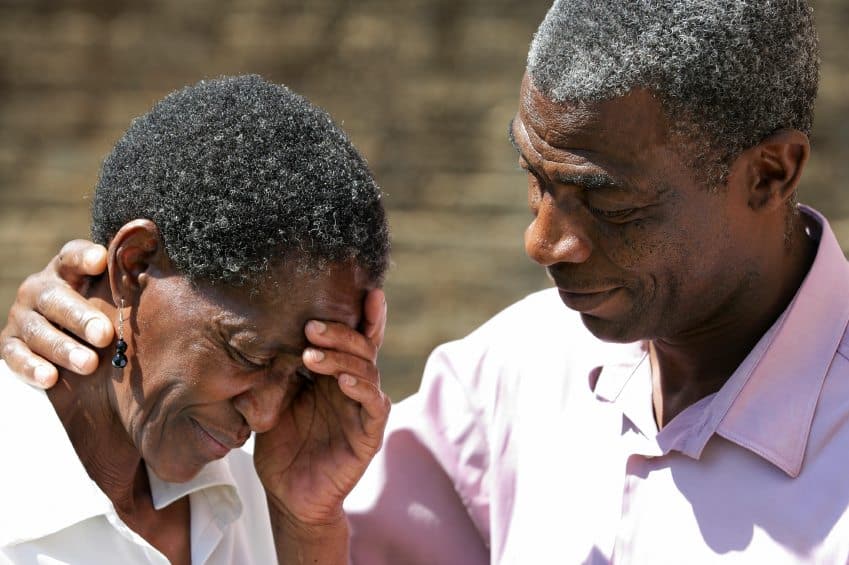

 

Your Questions About Building Secure Relationships—Answered

Can you develop secure attachment later in life?
Yes, absolutely. While our early years shape our initial attachment styles, our brains remain adaptable throughout our lives. This is known as “earned secure attachment.” Through self-awareness, consistent effort, and often the support of a skilled therapist, you can build SECURE relationships in adulthood.

How do I support a partner who has an insecure attachment style?
Patience and empathy are key. Strive to be a consistent, reliable presence. Practice emotional responsiveness by validating their feelings and avoiding dismissive language. Encourage open communication, and consider couples counseling as a safe space to navigate these dynamics together.

Are virtual therapy sessions effective for relationship issues?
Yes. Virtual sessions provide the same level of expert guidance and confidentiality as in-person visits. Many partners find that engaging in therapy from the comfort of their own home actually helps them feel more relaxed and open during the process.

How long does it take to change an attachment style?
Healing is highly individual and does not follow a strict timeline. Transforming deeply rooted patterns takes time, practice, and grace. Celebrate incremental progress, such as improved communication and a reduction in conflict frequency. Every step forward is a victory.

Ready to Begin Your Journey to Secure Relationships?

You deserve to experience a relationship where you feel completely seen, safe, and cherished. If you are struggling to move past childhood wounds or finding it difficult to maintain harmony in your partnership, please know that help is within reach.

Our experienced therapists specialize in helping individuals and couples build SECURE relationships. We honor diverse backgrounds and provide culturally sensitive, inclusive care for everyone. Let us help you transform your relationship challenges into profound emotional growth.

Reach out today to schedule an appointment. Contact Maplewood Counseling to begin your journey toward lasting emotional connection. We are here to support you every step of the way.

Helpful Resources 

Conflict in Relationship?

Conflict in Your Relationship

New Jersey Couples Counseling

Contact Maplewoood Counseling

Conflict in Your Relationship?

Conflict in your relationship or marriage? We all have to deal with conflict in our relationships. When two people come together from different needs and backgrounds, there is bound to be conflict. We all have different abilities to really take in and understand the other person. It can be very difficult to  communicate effectively when things get hard. Couples sometimes have unrealistic expectations and an  inability to understand what the other person need. This causes great disappointment. We can all get hooked by unconscious triggers based on our conditioning. The end result? Conflict that leads to great disappointment, hurt and anger.

Ruptures are bound to happen in all relationships. It’s not the ruptures that become the problem as much as how well a couple can “repair” the rupture and understand one another.

What is Your Pattern When You Have Conflict?

  • We get very angry at one another and hurl insults and criticism
  • One of us goes on the attack and the other withdraws and puts up a wall, which only makes things worse
  • We both used to fight and it got us nowhere so now we just both just give up and stop talking, sometimes for days or weeks

Author, psychiatrist and therapist Daniel Siegel explores relationships and attachment in detail in his books. Here refers to the 4 Ss and what is needed for healthy attachment and relationships. How very important it is for us all to feel:

  • SEEN
  • SAFE
  • SOOTHED
  • SECURE

How our early attachment figures responded to us emotionally (or didn’t respond in many cases) will most likely be the way we end up relating in our romantic relationships. It has a lot to do with the ability (or inability) to understand one another and repair problems in our relationships. If a person did not any or all of the combination of seen, safe, soothed or secure, they might most likely will struggle with similar issues in their adult relationships. Reliving the past over and over is extremely painful. It can cause rage, anger, deep sadness and feelings of rejection, and ultimately like you don’t matter.

Getting Help with Conflict in Relationship

With help, a couple can learn how to take in the external experience of the other person and help them feel seen, safe, soothed and secure. Learning to emotionally respond to your spouse or partner can help you connect in deeper and more meaningful ways.

If you’re looking for a relationship or marriage therapist in New Jersey, contact us now at 973-902-8700 or email us if that’s easier for you.


Counseling Essex County | Find a Therapist in NJ

Therapist in Essex County NJ

Locate a Skilled Counselor
Get in Touch

Counseling Essex County| Find a Therapist in NJ

Are you looking for help with grief, anxiety, depression or family therapy? Do you live in Essex County, New Jersey?

Does this sound familiar?

  • You or a family member is struggling with illness or serious health issues
  • You are the caretaker for an elderly or sick family member
  • You need help coping with the death of a spouse or loved one
  • You feel isolated and alone
  • You are feeling very depressed and need help coping
  • Your doctor recommended therapy to help with difficult issues
  • Your elderly parent or spouse has dementia or Alzheimer’s and you need counseling support

If you need help with personal or family issues counseling may help. If you need a therapist in Essex County, NJ, contact us now. We are here to help