Maplewood Counseling

Relationship Resources

Here to Help

Relationship Tips for Couples

Relationship Tips: Practical Guidance for Couples

Simple & Easy Ways to Connect

Relationship Tips: Practical Guidance for Couples

Support and Advice for Relationships

Relationship Tips: Practical Guidance for Couples

All couples experience periods of closeness and moments of challenge. Every shared journey has its unique twists, and facing difficulties together creates lasting understanding and respect. If you’ve noticed tension, frequent misunderstandings, or a sense of drifting apart, it’s important to remember: you’re not alone, and wanting to grow together is a sign of care.

At Maplewood Counseling, we know that every relationship needs mindful attention. Our aim is to help you nurture your connection, improve how you relate, and turn obstacles into opportunities for growth.

Simple Ways to Build Closeness Every Day

Fostering a strong relationship isn’t just about grand gestures. It’s the small, thoughtful actions—done regularly—that keep your bond strong.

  • Check-In with Care: Ask questions that show you truly want to support your partner, such as “What brought you joy today?” or “Is there something you’d like to talk about?” Thoughtful check-ins go beyond surface-level conversations.
  • Show Gratitude Often: Thank your partner for everyday acts, like preparing a meal or offering a listening ear. Even a brief “I appreciate you” can help your partner feel valued.
  • Carve Out Special Moments: Busy schedules make it easy to lose connection. Designate time for just the two of you, whether it’s a weekly walk, quiet morning coffee, or setting aside devices for a heartfelt conversation.

Communicate to Understand and Connect

Have you ever felt like your partner isn’t really hearing you? It’s common, but effective communication helps bridge these gaps and brings you closer together.

  • Express Yourself Clearly: Replace accusatory statements with honest feelings. Instead of “You never listen,” say “I feel overlooked when…” Sharing your experience can foster empathy, not defensiveness.
  • Listen with Presence: Give your partner your undivided attention—silence your phone, listen fully, and reflect what you’ve heard: “It sounds like you’re feeling overwhelmed.” This makes your partner feel seen and respected.
  • Pause When Needed: Sometimes emotions run high. If that happens, agree to step back and revisit the talk when both of you are calmer. Taking space can protect both your feelings and your relationship.

Navigating Disagreements with Compassion

Every relationship has conflict. It’s not about eliminating disagreements, but about handling them in a healthy, respectful way that leaves both people feeling understood.

  • Center on Solutions: Discuss issues without criticizing each other. Stay focused on resolving the concern at hand, and try not to revisit old grievances. Approach problems as a team.
  • Meet Each Other Halfway: Finding a path forward usually means both partners compromise. Ask, “Is there a way we can both feel comfortable with this?” Working together ensures no one feels left behind.
  • Rebuild and Reassure: After a tough conversation, reconnect with a kind gesture—an apology, comforting words, or simply acknowledging their perspective. These moments help heal and reaffirm your commitment.

Support Is Always Available

At times, you might feel stuck or uncertain about how to move forward. Reaching out for help is a courageous step, and it can be the turning point towards a more fulfilling relationship.

Our Maplewood Counseling team offers a welcoming, private environment where couples from all walks of life can explore difficulties and strengthen their bond. Whether you’re working through trust issues, major transitions, or simply want to rekindle your closeness, our skilled therapists offer guidance tailored to your situation.

You don’t have to manage challenges on your own. We’re here to support you in creating the partnership you envision.

When you feel ready, reach out to Maplewood Counseling. Schedule a confidential appointment and begin the journey to a deeper, more connected relationship.

LGBTQ+ Affirming & Gay Relationship Counseling in NJ

LGBTQ+ Affirming & Gay Relationship Counseling in NJ

LGBTQ Relationship Counseling in NJ at Maplewood Counseling

LGBTQ Relationship Counseling in NJ at Maplewood Counseling

Understanding and Supporting LGBTQ+ Relationships: Your Unique Journey

Real-Life Scenarios and Solutions

LGBTQ+ couples often face challenges that aren’t just about their relationship—like dealing with pressure from society, finding acceptance from family, or blending families with children. These situations can feel lonely or overwhelming, but you do not have to go through them by yourself. We’re here to help you face these obstacles together, supporting you every step of the way.

Here are a few real-life examples:

  • Societal Pressures:
    • Two partners felt unsure about coming out at work, worried about how it might affect them. In counseling, they talked about these fears, found ways to lean on people who support them, and worked together on building confidence to stay true to themselves while also protecting their relationship.
  • Family Acceptance:
    • A married lesbian couple felt hurt by unkind or subtle comments from one partner’s family. In therapy, they practiced setting boundaries and expressing what they needed in a caring but firm way. This helped them feel stronger together and more able to face family challenges as a united team.
  • Blended Families:
    • When a gay couple with children from previous relationships faced challenges over different parenting styles, therapy supported them in coming together, talking openly about their hopes for the family, and finding shared ways to care for their children. With time, their home felt more understanding and peaceful for everyone.

Every relationship needs love, trust, and honest communication to grow strong. But LGBTQ+ couples can also face challenges that are unique to them. You deserve support from someone who truly understands what you’re going through and respects your experiences. This is a safe place to talk about what makes your relationship special—and sometimes more complex. We’re here with warmth, experience, and a genuine desire to help you feel seen, heard, and supported every step of the way.

Embracing Your Relationship Structure

Your relationship is yours to define. It doesn’t matter if you are in a monogamous partnership, exploring an open relationship, or part of a polyamorous family—your chosen structure is respected and valued here. We’re here to help you create honest, caring conversations, set healthy boundaries, and support each person’s voice. Together, we’ll work with you and your partner(s) to:

  • Establish clear agreements and expectations.
  • Navigate feelings of jealousy or insecurity.
  • Foster open dialogue to ensure all partners feel heard and valued.

Co-Parenting with Pride and Purpose

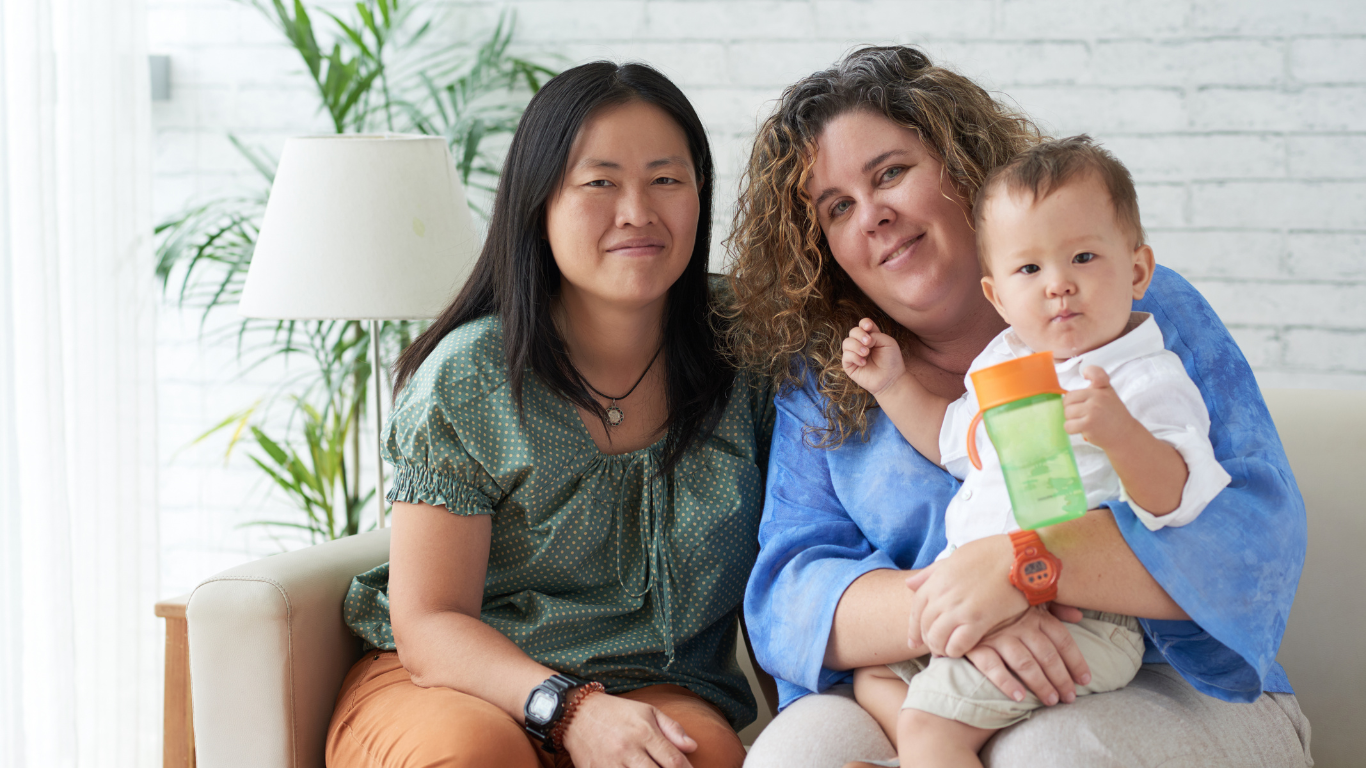
For same-sex couples, creating a family is often a journey filled with hope, effort, and pride. At the same time, there can be special challenges—like dealing with legal questions, or handling comments and curiosity from schools or other parents. We’re here to help you work together as a parenting team. We can talk about:

  • Defining parenting roles and responsibilities.
  • Creating a unified front when dealing with external biases.
  • Discussing how to talk with your children about your family’s unique story.

When the Outside World Comes In

Facing discrimination—whether it’s obvious or more hidden—can be really tough on your relationship. Maybe work doesn’t feel safe to be yourself, or family members make you feel unwelcome. Feeling like you have to always watch what you say or do can affect your well-being and how you connect with your partner. In counseling, you’ll find a safe space to talk openly about these outside pressures. We’ll help you and your partner support each other, strengthen your teamwork, and find ways to protect your relationship even when the world feels challenging.

Understanding Intersectionality: Your Whole Identity Matters

You are more than just who you love or how you identify. Your background, culture, faith, and life experiences all come together to shape you and your relationship. For example, a Black gay man may face different challenges than a white lesbian woman, and a trans person with a strong faith has their own unique journey.

We understand that all parts of your identity matter—not just your relationship status or how you identify, but your race, culture, beliefs, and background too. Our counseling welcomes every part of who you are. Here, you can talk openly about how your experiences shape your relationship, knowing you will be respected, understood, and accepted for all of who you are.

If you’re looking for support that honors every aspect of your life and love, we invite you to reach out today. Schedule a consultation and let’s move forward together, with care and understanding.

LGBTQ Therapist Maplewood Counseling

Gay Relationship Counseling

LGBT Therapist Maplewood NJ

LGBTQIA Couples Therapy

LGBTQ Therapist Maplewood NJ

Same Sex Marriage Counseling

Frequently Asked Questions


What should we expect in our first session?
Your first session is a chance for us to get to know each other. It’s a space where you and your partner can share your story, discuss the challenges you’re facing, and talk about your goals for your relationship. We’ll listen without judgment and explain our therapeutic approach. The main goal is to ensure you both feel comfortable, heard, and hopeful about the path forward.

How do you ensure a safe and affirming environment?
Creating a safe, non-judgmental, and affirming space is the cornerstone of our practice. Our therapists are trained in LGBTQ+ affirming care and are committed to understanding the unique experiences of our clients. We respect your identities, your relationship, and your privacy. From the language we use to the issues we explore, every aspect of our counseling is designed to make you feel respected and secure.

Do you have experience with LGBTQ+ issues?
Yes. Our therapists are very experienced with the diverse issues that can impact LGBTQ+ individuals and couples. This includes navigating societal or family pressures, coming out, building chosen families, and addressing the impact of discrimination. We understand that while many relationship challenges are universal, others are specific to the LGBTQ+ experience, and we are equipped to support you through them.

Can we discuss open relationships or non-traditional dynamics?
Absolutely. We provide a confidential and open-minded space to discuss all relationship structures, including open relationships, polyamory, and other forms of consensual non-monogamy. Our role is to help you and your partner(s) navigate these dynamics with clear communication, established boundaries, and mutual respect, not to judge them.

What if one partner is hesitant about therapy? It’s very common for one partner to feel uncertain or hesitant about starting therapy. We recognize this and work to create a low-pressure environment where both individuals feel equally heard and valued. Our initial sessions often focus on making sure both partners feel comfortable and addressing any concerns they may have about the counseling process itself. We believe therapy is most effective when it is a collaborative effort, and we invite you to take that first step together.

LGBTQ+ Friendly Resources & Local Community Support

Finding support beyond the counseling office can be an important part of your journey. Here are some LGBTQ+ friendly resources and local organizations that create inclusive, affirming spaces for individuals and couples:

Local Support Groups:

Legal Services for Same-Sex Couples:

Family Planning Resources:

Local Events & Organizations:

  • Maplewood & South Orange Pride Festival: Annual celebration featuring resources, performances, and community-building events.
  • SOMA Two Towns for All Ages: Inclusive programs supporting LGBTQ+ residents and allies of all generations.
  • LGBTQ Community Center at the South Orange Public Library: Workshops, book clubs, and meetups.

Let us know if you’d like more information about a specific resource or how to get involved locally. There is a vibrant, supportive network in the Maplewood and South Orange SOMA area ready to welcome you and your family.


Are you ready to take the next step for your relationship? Reach out to schedule a consultation or contact us if you have questions. We’re here to support you and your partner every step of the way.

Helpful Resources

  • Culturally Sensitive & Identity-Informed Therapy in NJ
    Learn more

  • Communication Tips for Culturally Diverse Couples
    Learn more

  • LGBTQ Therapists for Same-Sex Couples, Families, & More
    Learn more

  • Find support for relationships with compassionate, evidence-based couples counseling
    Learn more

  • Find Affirming & Inclusive Therapy at Maplewood Counseling
    Learn more

If you have additional questions or want to take the next step, please don’t hesitate to reach out. Your well-being matters to us, and we are here for you every step of the way.


Feeling Sad and Depressed?

Feelings Sad and Depressed?

Depression Treatment NJ

Individuals, Families, Couples

Contact Maplewoood Counseling

Feeling Sad and Depressed?

Feeling sadness and deep emotional pain and in need of therapy?

Understanding what you’re feeling and why is important. If the feeling persist, a mental health professional or doctor can assess your circumstances and recommend certain types of treatment.

Sad about difficult circumstances

-When things in your life are not going the way you expected, it can cause sadness. Maybe it’s your relationship causing unhappiness and stress. You’re not getting what you need and feel alone,  Unsatisfied couples often feel sad, angry  and/or lonely. Feeling stuck and trapped in these circumstances can lead to depression.

For others, parenting challenges can cause deep sadness, frustration and disappointment. If your son or daughter does not seem to be doing well emotionally or has behavioral challenges, it can be rough on the entire family.  In addition, if your child is ill and has medical concerns, it can be incredibly hard to cope with your own concerns and emotional pain. 

Challenges with your work and career can also be cause some people to feel sad. Maybe you hate your job or are dealing with a boss that is unreasonable and hard on you. Possibly your work day is very long and stressful due to ongoing pressure you put on yourself or is coming from your employer. 

Moving and relocating can cause a lot of sadness. Getting connected in a new local community can be difficult for a lot of people and can take time. If you’re an introvert, it can be even more challenging. Stressful moves can cause arguing and disconnect if you are not working together to deal with the changes.

A new baby, newborn and coping changes in your family is very difficult on most young couples. Feeling exhausted, not sleeping, dealing with a colicky baby and not getting enough rest or help? End up feeling a lot of tension and fighting more than usual? Postpartum or mere exhaustion makes many young mothers miserable. Maybe you’re not a young mother and coping with huge transition as a woman giving birth in her late 30s or 40s. 

Some of you may have had trouble or continue to have difficulty getting pregnant and are undergoing fertility treatments, such as in-vitro or other types of procedures. 

Coping with divorce or break-up causes tremendous feeling of grief, loss and sadness for most people. It can be one of the most painful  emotional experiences when your relationship ends. 

An adult child that is going through hard times and you feel powerless to help. Maybe a son or daughter is going through divorce, financial trouble,  or other challenges. 

Any of these situations may cause you to feel sad overwhelmed and hopeless. Reaching out top a licensed therapist can help with an evaluation and help you start making important changes. 


Contact Maplewoood Counseling

In a Polyamorous Relationship?

In a Polyamorous Relationship?

Polyamory & Open Relationships

Couples Therapy NJ

Contact Maplewoood Counseling

In a Polyamorous Relationship?

In a Polyamorous or Open Relationship?

Close to 20% of all people have had a non-monogamous relationships, according to an April 2016 article in the Journal of Sex and Marital Therapy. This includes an open marriage, open relationship, and polyamory, in which all partners agree that each may have romantic and/or sexual relationships with other partners. Many couples follow rules and agreements to cut down on potential problems and challenges.

Polyamory, which is a common type or non-monogamous relationship, means having more than one sexual or romantic partner, with all partners agreeing to certain rules for the arrangement. Unlike an open relationship where couples may date others and agree to only love each other, a polyamorous couple may agree to have sex outside the relationship and are open to loving multiple partners.

Struggling with a Non-monogamous Relationship? Does this sound familiar?

  • Your partner broke a rule and you feel upset or betrayed
  • You or your partner is struggling with jealousy and it causes arguments
  • You or you’re partner or others don’t have good boundaries
  • Quantity vs quality time issues
  • Comparing or being compared to other partners
  • You are ready for a change because you feel unhappy, but your partner is not
  • You have concerns about privacy and being outed
  • Your children are getting older and it’s harder to keep secrets

If you are struggling in an open or polyamorous relationship and need help navigating some issues, get in touch.


Contact Maplewoood Counseling

In An Estranged Relationship?


In a Estranged Relationship?
Need Counseling NJ

Couples and Individual Therapy

Contact Maplewoood Counseling


Coping with an Estranged Relationship?

What is an estranged relationship? Estranged implies a loss of affection, distance and instead of turning to your spouse or partner, turning away. If you have been feeling unhappy and disconnected for a long time, it can create a tremendous amount distance and even hostility.

Are you living under the same roof and feeling trapped? Feeling there are no good options for dealing with your disconnect? Most importantly, it is having a huge impact on everyone’s emotional and physical well-being?

Estranged Relationship | Still Living Together?

Are these your circumstances?

  • We sleep in separate rooms and have for a long time
  • We hardly speak to one another
  • You are estranged from a child, parent or other family member
  • Our children are fully aware of how bad things are
  • We argue and there are verbal insults and hostility
  • At times, we fight in front of our children
  • I don’t love my spouse anymore and even feel like I hate him/her
  • It’s so obvious to everyone we can’t stand each other anymore
  • We cannot afford to separate now
  • We stay together for the sake of the children

So, what should you do? At the very least, you can seek counseling to talk about and process your feelings about the disconnect. Understanding what you can and cannot do is important. Some relationships can be repaired eventually of both parties – whether with a spouse, child or other family member. And other situations may take working with you r own sadness and anger to process and finally come twosome type of acceptance if the situation so you can feel more peace.

An estranged relationship can cause a lot of pain and be challenges for both parties. Forgiveness takes one and you will do this for your own sake, but reconciliation takes two. You cannot reconcile and estranged relationship unless the other person is open. In the meantime, if you are struggling with this type of situation, it might help to talk to a professional.

Get in touch with us if you need to talk.

Contact Maplewoood Counseling

Feeling Overwhelmed and Alone?

Feel Overwhelmed and Lonely?

Find Tips Here to Help You Cope

Feeling Overwhelmed and Alone? Here’s How to Cope and Reconnect

It’s not uncommon to feel overwhelmed and alone. Whether it’s the weight of work deadlines, the stress of parenting, or simply feeling distanced from others, these emotions can creep in without warning. They’re universal, yet deeply personal. The hustle of daily life often leaves little room to pause and reflect, making it easy to feel isolated amidst the noise.

If this sounds familiar, you’re not alone. Many young professionals, single parents, couples, and solo entrepreneurs face similar struggles. This post will explore the causes of overwhelm and loneliness, share signs to help you identify them, and—most importantly—offer practical strategies to overcome these feelings.

Signs of Overwhelm and Loneliness

Recognizing what you’re experiencing is the first step to regaining control. Here are some common signs of overwhelm and loneliness to watch out for in yourself or those around you:

Signs of Overwhelm

  • Trouble Focusing: Difficulty concentrating or making even small decisions.
  • Physical Fatigue: Chronic tiredness even when you’ve had enough sleep.
  • Mood Swings: Feeling irritable, anxious, or persistently frustrated.
  • Withdrawal: Avoiding tasks, responsibilities, or social interactions.

Signs of Loneliness

  • Social Disconnection: Feeling disconnected even in a room full of people.
  • Low Self-Worth: Thoughts that nobody truly understands or cares about you.
  • Changes in Sleep or Appetite: Sleeping too much or too little, eating for comfort or losing interest in food.

These signs aren’t just temporary dips—they can affect your mental and physical health if left unaddressed.

Causes of Overwhelm and Loneliness

Understanding what’s causing these feelings is critical to overcoming them. They often stem from various interlinked factors, such as these common contributors:

Work Pressure

Burnout is real. Navigating deadlines, performance goals, and long work hours can leave little time for rest or relationships.

Personal Challenges

Whether you’re a single mom balancing life or a solo entrepreneur hustling for success, personal setbacks can amplify feelings of inadequacy or isolation.

Social Isolation

Not every relationship is as fulfilling as it could be. Changes like moving cities, a breakup, or even subtle social distancing from friends can quietly create a sense of loneliness.

Being aware of the root can help you better address and manage the emotions.

Coping Strategies

Here’s the good news—feeling overwhelmed and alone doesn’t have to last forever. With the right steps, you can regain your footing.

1. Practice Self-Care

Prioritize your well-being by dedicating time for yourself.

  • Take a short break when tasks get too stressful.
  • Try mindful activities like meditation, yoga, or simply deep-breathing exercises.
  • Spend time outdoors. Sunshine and fresh air work wonders for mental clarity.

2. Seek Support

You don’t have to go through this alone. Open up to trusted friends or family members about how you’re feeling. You’d be surprised how many people are ready to listen and help.

3. Set Boundaries

If overwhelm stems from work or personal demands, learn to say no. Protect your time by creating boundaries that prioritize your mental health.

4. Manage Your Time

Keep a planner or use digital tools to streamline tasks. Breaking big projects into smaller steps can make them feel less daunting.

Small changes in these areas add up and can significantly reduce your stress over time.

Personal Stories and Testimonials

Sometimes, hearing how others have navigated similar feelings provides comfort—and practical advice.

  • Sarah, Young Professional: “I used to bottle up stress, thinking I could deal with it myself. Once I started journaling and talking to a mentor, I found clarity and a sense of connection I hadn’t felt in months.”
  • Michael, Solo Entrepreneur: “I felt spread so thin trying to do it all. But hiring a virtual assistant and focusing on what mattered most to my business taught me the power of delegation.”

These are just a few examples that show how self-awareness and small changes can lead to meaningful improvement.

Building a Support System

A strong support network is invaluable, especially during rough patches. But creating that network takes intentionality.

  • Connect with People: Attend local meetups, community events, or online groups that share your interests.
  • Professional Support: Don’t hesitate to seek help from therapists or counselors. They can provide tailored strategies to help you cope.
  • Establish Regular Check-Ins: Stay connected with friends and family. Even a 15-minute phone call can bridge the gap.

Your community doesn’t have to be big to be impactful—authentic connections make all the difference.

The Role of Technology in Combatting Loneliness

Technology can be both a blessing and a challenge when it comes to loneliness.

The Good

  • Accessibility: Virtual meetups and chats make it easier to stay connected even if you’re far from loved ones.
  • Resources: Apps offering guided meditations, mood tracking, and time management can provide help at your fingertips.

The Not-So-Good

  • Social media can sometimes exacerbate feelings of comparison or isolation. To make it work for you, be intentional: unfollow accounts that trigger negativity and engage with communities built around positivity and shared interests.

Used wisely, technology can help bridge emotional distances and foster meaningful connections.

Adopting a Positive Outlook for the Future

While these immediate coping strategies can alleviate feelings of overwhelm and loneliness, long-term progress lies in adopting a positive mindset and being proactive about your mental wellness.

  • Commit to ongoing personal growth, be it learning new skills or exploring hobbies that bring you joy.
  • Celebrate small victories, even the smallest steps, like making one new friend or completing a task you’ve been procrastinating.
  • Seek out workshops, books, and communities that empower you to build resilience.

If you’re still unsure where to start, know that there are countless resources and communities dedicated to mental health and emotional well-being. You’re not alone—and your next, more peaceful chapter could be closer than you think.

Take the First Step Towards Reconnection

Recognizing and addressing your feelings of overwhelm and loneliness is a form of self-care. Feeling this way doesn’t mean you’re weak; it means you’re human.

Start by trying just one or two strategies from this list to ease the burden. What works for one person might look different for another, so explore and tailor the solutions to suit your lifestyle.

If yoiu need help coping with overwhelm and overcoming loneliness, reach out.