Maplewood Counseling

Relationship Resources

Here to Help

Stop Fighting, Start Communicating in Maplewood, NJ

Stop Fighting, Start Communicating in Maplewood, NJ

Stop Fighting, Start Communicating: A Guide for Couples


Stop Fighting, Start Communicating | Essential Relationship Advice

By Debra Feinberg, LCSW, Robert Jenkins, LCSW (Reviewed by Senior Level Therapists)

Does it feel like every conversation with your partner turns into a battleground? For many couples in Maplewood, NJ, and throughout Essex County, daily disagreements over household chores or deeper tensions about finances and trust can make home life stressful and disconnected. Conflict is a familiar challenge in relationships here in northern New Jersey, but it doesn’t have to define your connection.

However, when fighting becomes your default mode of communication, it slowly wears down the love and safety you have built together—something we often hear from couples right here in Maplewood, NJ and throughout Essex County. You might feel exhausted, misunderstood, and desperate for a way to break the cycle in your New Jersey home.

Learning how to pause the combat and start truly connecting is vital for couples in Maplewood, NJ, and Essex County who want their relationship to thrive. You do not have to live in a state of constant tension at home. This guide, tailored to the experiences of partners in northern New Jersey, will explore the hidden roots of your conflicts, offer actionable strategies for healthy resolution, and provide clear steps to rebuild your emotional foundation. By the end, you will have practical tools to transform your relationship dynamics and empower your partnership—right here in Maplewood or anywhere in Essex County.

Understanding the Root of Your Conflict

Why do we argue about the exact same things over and over again? Conflict rarely happens out of nowhere. It usually stems from specific, repetitive triggers that leave both partners feeling unheard. Identifying these hot-button issues is the first and most crucial step toward lasting peace.

Common Relationship Triggers

When you can name the trigger, you can address the root cause rather than just reacting to the symptom. Frequent sources of tension for many couples include:

  • Financial Stress: Differences in spending habits, saving goals, and managing debt.
  • Domestic Responsibilities: Disagreements over who does the dishes, laundry, or carries the mental load of running the house.
  • Parenting Decisions: Clashing views on discipline, routines, or educational choices.
  • Life Transitions: Navigating a move, a career change, or adjusting to a blended family dynamic.

For instance, one partner might feel buried under the weight of managing the household schedule, while the other remains entirely unaware of the burden. Recognizing these patterns allows you to step back and tackle the problem together as a united team.

How Communication Styles Impact Your Bond

It is not just what you say, but exactly how you say it. Your communication style can serve as a bridge that connects you or a massive wall that divides you. Have you considered how your tone of voice or body language might land with your partner?

  • Aggressive Communication: Using harsh tones or accusations often leads to immediate defensiveness and deep hurt feelings.
  • Passive Communication: Avoiding the issue entirely usually results in silent resentment and unresolved pain.
  • Assertive Communication: This is the healthy goal we strive for. It invites open dialogue, honesty, and mutual respect without tearing the other person down.

Recognizing your own default style allows you to make gentle, intentional shifts toward more effective and loving conversations.

Navigating Different Values and Beliefs

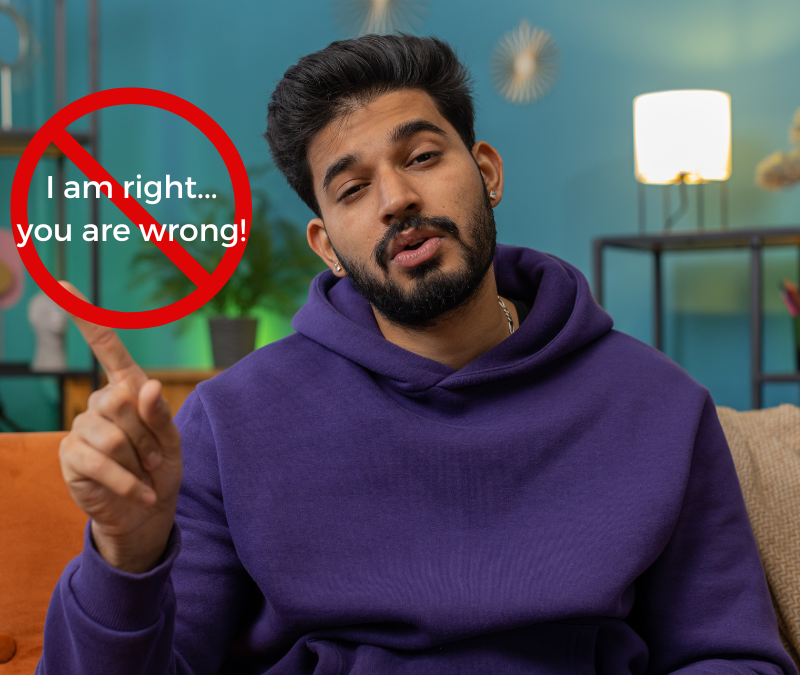
Sometimes, relationship friction is not about who is right or wrong. It is simply about holding different worldviews. We all enter partnerships carrying a backpack full of values and beliefs shaped by our unique upbringings.

Perhaps one of you deeply values the security of a robust savings account, while the other believes money is a tool for enjoying life’s spontaneous moments today. These views are not incompatible, but they will cause severe tension if left unacknowledged. Respecting your partner’s core values, even when they differ from yours, is essential for finding a supportive middle path.

Proven Strategies to Resolve Conflict

If you want to stop the exhausting cycle of fighting, you must change the way you speak and listen to one another. Here are actionable, proven techniques to resolve conflicts constructively.

Master Active Listening

Effective communication means listening to understand, not simply listening to reply. When your partner speaks, can you put aside your natural defense mechanisms and truly hear their pain?

Active listening involves giving your partner your full attention. Make eye contact, nod to show you hear them, and briefly summarize what they just said. When your partner feels genuinely heard, the emotional temperature of the room drops immediately.

Use “I” Statements to Reduce Blame

When we feel hurt, it is incredibly easy to point fingers. However, starting a sentence with “You always” or “You never” instantly forces your partner to put their guard up.

Instead, use “I” statements to express your own feelings. Instead of saying, “You never help me around the house,” try saying, “I feel incredibly overwhelmed when I have to manage the cleaning alone.” This small language shift reduces blame and makes it entirely safe for your partner to connect and offer support.

Lead with Empathy and Understanding

Empathy is the ultimate antidote to anger. It requires stepping completely out of your own shoes and attempting to feel exactly what your partner is feeling in that moment.

When you validate their emotions by saying, “I can clearly see why that upset you,” you make them feel seen and valued. If your partner had a draining day at work, offering simple understanding rather than immediate advice prevents a minor irritation from exploding into a major argument.

Find Common Ground Together

In a healthy, committed partnership, winning an argument should never mean your partner loses. The ultimate goal is for the relationship itself to win. This always requires compassion and compromise.

Sit down together and clearly identify your absolute “non-negotiables” versus the areas where you can easily be flexible. Finding the middle ground satisfies both of your core needs and deeply strengthens your dynamic as a team.

Rebuilding a Foundation of Trust and Intimacy

Resolving conflict is only half the journey. To truly thrive, you must actively rebuild the emotional foundation of your relationship.

Foster Trust Through Consistency

Trust is not built in a single day; it is built through a thousand small, consistent moments. It serves as the bedrock of safety in your relationship. You build lasting trust by doing exactly what you say you will do and remaining transparent with your feelings.

Never underestimate the immense power of appreciation. Regularly expressing gratitude for your partner creates a deep reservoir of goodwill. This reservoir helps you both weather the stormier days with grace.

Prioritize Quality Time

Relationships require dedicated fuel to keep running smoothly. Quality time is that vital fuel. It does not require a grand, expensive gesture. A simple weekly date night or a quiet evening walk without your phones can work wonders for your intimacy.

Shared experiences build a profound sense of partnership. These joyful moments remind you that you are deeply connected friends and teammates, not just roommates managing a busy household.

Real-Life Success: The 10-Minute Check-In

Consider a couple who felt highly distant and irritable with one another. They decided to implement a simple “10-minute check-in” every single evening. During this dedicated time, they shared one high and one low from their day. They agreed to discuss no household logistics and no kid talk—just feelings.

This small, intentional ritual rapidly rebuilt their emotional intimacy. It drastically reduced their fighting because they felt connected and deeply understood before the normal stressors of the evening even set in.

When to Seek Professional Guidance

Sometimes, despite your absolute best efforts, you get stuck. If you find yourselves trapped in a continuous loop of the same argument, or if resentment is building faster than you can resolve it, it is time to seek professional support. There is absolutely no shame in needing a skilled guide to help you navigate complex emotional terrain.

Counseling offers a neutral, incredibly safe space to unpack the heavy baggage weighing your relationship down. A professional therapist guides you through proven exercises that dramatically improve how you listen, respond, and connect. It is a powerful investment in your shared future.


Frequently Asked Questions (FAQs)

What causes the majority of conflicts in relationships?

Most conflicts arise from recurring issues like financial stress, household responsibilities, parenting differences, and unmet emotional needs. Clashing values and major life transitions also lead to profound misunderstandings. Recognizing these specific triggers helps prevent future arguments.

How can we communicate better during a heated disagreement?

Use “I” statements to express your feelings without assigning blame. Practice active listening by fully focusing on your partner’s emotions rather than preparing your rebuttal. If the conversation becomes too heated, take a temporary break and return to the discussion when you both feel calm.

What is active listening, and why does it matter?

Active listening means fully concentrating on what your partner is saying to show that you deeply value their perspective. It reduces defensiveness and helps both partners feel validated. You can practice this by making eye contact, nodding, and summarizing their points.

How do we rebuild trust after years of repeated arguments?

Rebuilding trust requires time, deep consistency, and radical honesty. Acknowledge the hurt you have caused, take full responsibility for your actions, and follow through on your promises. Give your partner the necessary space to heal at their own pace.

When should we seriously consider couples counseling?

You should seek professional support if your conflicts feel unmanageable, your communication repeatedly breaks down, or either partner feels unsupported. Therapy provides a non-judgmental environment to explore these issues and offers tailored strategies to help you reconnect.

Are these conflict resolution strategies helpful for all couples?

Absolutely. Strategies like active listening, empathy, and compromise are designed to support every couple, regardless of background, cultural identity, or relationship style. Every partnership is unique, and these inclusive approaches foster deep understanding for all.

Empower Your Partnership Today

Conflict absolutely does not have to be the end of the road for your relationship. By deeply understanding your triggers and consistently practicing empathy, you can transform painful arguments into incredible opportunities for growth. Remember, steady progress is always better than perfection.

Are you ready to reignite your emotional bond and experience a deeper connection? You do not have to navigate these challenges alone. Reach out to Maplewood Counseling today to schedule your in-person or virtual session. Let our expert therapists help you transform your communication and build a stronger, more resilient future together.

Helpful Resources 

15 Warning Signs of Infidelity: How to Recognize Cheating

15 Warning Signs of Infidelity: How to Recognize Cheating

15 Warning Signs of Infidelity: Could Your Partner Be Having an Affair?


15 Inclusive Signs of Infidelity: How to Recognize Cheating

You may notice a persistent, uneasy feeling in your gut—a lingering worry that’s hard to shake. For anyone in a committed relationship, suspecting a partner of infidelity can feel heartbreaking and isolating. Our thoughts may race, piecing together subtle behavioral changes, questioning what’s normal, and searching for reassurance, validation, or the truth.

This uncertainty is deeply unsettling. You might begin second-guessing yourself, wondering if your intuition is valid or if you’re just feeling insecure. The fear that trust may be broken can impact any relationship, leaving people of all genders and backgrounds feeling unsure and alone.

Recognizing possible red flags is not about assigning blame or fostering suspicion. Instead, it’s about honoring your emotional experience and seeking clarity with care. If your relationship feels different or “off,” understanding some of the most common warning signs can empower you to approach the situation with openness and compassion. At Maplewood Counseling, we honor and welcome everyone seeking answers and support on their journey toward healing.

What Are the Early Signs to Watch For?

Infidelity can begin with subtle shifts that are easy to overlook. Remember, seeing one or two signs in isolation doesn’t necessarily indicate that a partner is unfaithful—but noticing a pattern of several changes may be worth exploring together. Trust your instincts and know your feelings matter.

1. Increased Secrecy About Technology

A frequent early sign is a sudden change in how a partner uses their phone, tablet, or computer.

  • What to Notice: New passwords on formerly shared devices; a partner angling their screen away, stepping out of the room to take calls, or closing laptops quickly. They might keep their phone with them at all times—including private moments.
  • Why It Matters: This level of secrecy can signal a part of their life they want to keep hidden.

2. Shifts in Communication Patterns

The way you engage and connect day-to-day is the core of your relationship. Major changes may be a signal.

  • What to Notice: They stop sharing about their day, seem emotionally unavailable, or conversations turn superficial. The closeness you felt may feel distant, as if you’re speaking to a roommate rather than a partner.
  • Why It Matters: Withholding communication could mean energy is being invested elsewhere.

3. Sudden Focus on Appearance

While self-care and confidence are healthy, abrupt changes in appearance with no clear reason may warrant reflection.

  • What to Notice: A new wardrobe, sudden interest in fitness, or increased preoccupation with looks—without a new job, social circle, or health goal as context.
  • Why It Matters: This may signal efforts to impress or attract someone new.

4. Unexplained Time Away and Vague Explanations

  • What to Notice: More frequent late nights, unexplained absences, new outings where you’re not included, or long periods where your partner is unreachable. If asked, responses may be unclear or defensive.
  • Why It Matters: Gaps in time can create opportunities for secrecy and deception.

5. Changes in Physical Intimacy

Shifts in your physical connection can tell a story, whether affection fades or escalates.

  • What to Notice: A significant drop-off in affection or, conversely, an uptick in sexual attention or experimentation that feels unfamiliar, possibly sparked by guilt or new experiences outside your partnership.
  • Why It Matters: Changes in physical closeness often reflect emotional dynamics within or outside your relationship.

6. Increased Criticism Toward You or the Relationship

  • What to Notice: Criticism around your appearance, habits, values, or even rewriting relationship history in a negative light. Small disagreements may escalate quickly.
  • Why It Matters: Sometimes, people shift blame onto their partner in order to justify their own actions, consciously or subconsciously.

7. Unexplained Financial Changes

  • What to Notice: Unusual expenses, cash withdrawals, or secret credit accounts and unexplained receipts.
  • Why It Matters: Infidelity can involve hidden spending on gifts, meals, or other outings.

8. Heightened Defensiveness or Accusations

  • What to Notice: When asked about certain behaviors, your partner becomes angry, defensive, or even accuses you of being mistrustful or unfaithful.
  • Why It Matters: Deflection can be a sign of discomfort or avoidance, and can sometimes be a form of gaslighting.

9. Withdrawing from Shared Activities and Family Life

  • What to Notice: A pullback from shared interests, family gatherings, or activities once enjoyed together. Your partner may seem distant or “too busy” for quality time.
  • Why It Matters: Emotional and physical withdrawal may signal that someone is investing energy elsewhere.

10. Mentioning a “New Friend” Frequently

  • What to Notice: References to a new colleague, friend, or acquaintance come up more often—and questions make your partner defensive.
  • Why It Matters: Frequently referencing or hiding details about a specific person may indicate a developing emotional or physical bond.

Other signs can look like:
11. Discovering a second, secret phone.
12. A partner is suddenly unreachable at times they used to be accessible.
13. Affectionate words or gestures stop without an explanation.
14. Mutual friends acting awkward or uncomfortable.
15. Your instincts persistently tell you something doesn’t feel right.

How to Respond if You Have Concerns

If several of these signs ring true for you, take a step back and approach the issue thoughtfully.

  1. Reflect on Your Own Needs and Feelings: Before raising concerns with your partner, get clarity on how you’re feeling and what you hope to achieve—whether it’s reassurance, understanding, or a conversation about trust.
  2. Choose Your Timing: Wait for a peaceful moment, not in the heat of frustration or an argument. Privacy and calm help keep the conversation constructive.
  3. Speak From Your Experience: Use “I” statements to convey your feelings—e.g., “I feel hurt and disconnected lately,” rather than “You are always distant.” This minimizes defensiveness.
  4. Be Honest, Not Accusatory: Voice observations kindly—“I’ve noticed some changes in our connection, and I’m concerned. Can we talk about it?”
  5. Honor Your Instincts: Notice how your partner reacts. Defensive responses don’t always point to guilt, but an unwillingness to communicate or reassure you is a relationship concern in itself.

You Deserve Understanding and Support

Carrying the burden of doubt or betrayal is difficult for anyone, no matter their background or relationship structure. Whether your fears are confirmed, or you find that something else is causing distance, seeking clarity is an act of self-care. You deserve to have your feelings acknowledged and to be met with honesty.

Professional support can help you move through this uncertainty with dignity and hope. A compassionate therapist can support you in navigating hard conversations, processing your experiences, and finding a path forward—whether that’s together or apart. Couples and individuals of every orientation, background, and identity are welcome at Maplewood Counseling.

Frequently Asked Questions (FAQs)

If I notice just one or two signs, does this mean my partner is being unfaithful?
Not always. Any of these signs could be related to stress, health concerns, or personal struggles. Look for several changes happening together, especially those that are new or out of character.

What if my partner denies everything and says I’m imagining things?
This reaction—sometimes called “gaslighting”—is hurtful and can erode your confidence. Whether or not there’s been an affair, a lack of respect and communication needs addressing. Consider seeking individual counseling for support and validation.

Can couples recover from infidelity?
Many couples do rebuild trust and find healing after betrayal, but it requires transparency, mutual effort, and professional guidance. Both partners must be ready to do the work of repair.

Should I gather proof before confronting my partner?
This is a personal decision. Some people feel a need for evidence, but detective work can damage your own well-being. Often, an open, honest conversation about what you’re noticing and feeling is the healthiest first step.

Helpful Resources

9 Benefits of Premarital Counseling for a Stronger Marriage

9 Benefits of Premarital Counseling for a Stronger Marriage

Beyond the Wedding Day: The Powerful Benefits of Premarital Counseling

Maplewood Counseling is committed to offering inclusive support to individuals and families of all races, cultures, and backgrounds. We proudly serve interfaith, interracial, BIPOC, LGBTQIA+, and blended families. Our therapists combine personal experience with specialized training to foster a welcoming and affirming environment for everyone.

9 Benefits of Premarital Counseling for a Stronger Marriage

You have picked the venue, tasted the cake, and finalized the guest list. The excitement of your wedding day is building, but in quiet moments, do you ever wonder about the days after the celebration? Do you find yourself worrying about how you’ll handle your first big fight as a married couple, or how you’ll navigate finances once your accounts are merged?

If you feel a mix of joy and anxiety, take a deep breath—you are completely normal. Engagement is a time of high emotion, and it is natural to want to ensure your foundation is as beautiful as your ceremony.

At Maplewood Counseling, we believe that preparing for marriage is just as important as planning the wedding. Premarital counseling isn’t about fixing what is broken; it is about strengthening what is already there. Think of it as a proactive wellness check for your relationship, giving you the tools to navigate life’s inevitable twists and turns with confidence and connection.

Why “Happy” Couples Need Counseling Too

There is a common misconception that therapy is only for couples in crisis. You might think, “We are in love and happy; why do we need counseling?”

The truth is, the best time to work on your relationship is when things are good. When you are not in crisis, you have the emotional bandwidth to learn new skills, deepen your empathy, and establish healthy habits. Research shows that couples who participate in premarital counseling report higher levels of marital satisfaction and are 30% less likely to divorce.

By investing in your partnership now, you are telling your partner, “Our future matters enough to me that I want to give us the best possible start.”

5 Key Benefits of Premarital Counseling

Premarital counseling offers a safe, neutral space to explore the layers of your relationship that might get overlooked in the hustle of daily life. Here is how it can transform your future marriage.

1. Mastering the Art of Communication

We all communicate differently. You might process feelings internally and need space, while your partner might need to talk things out immediately. Without understanding these differences, simple misunderstandings can spiral into hurtful arguments.

In counseling, we move beyond “talking” to true understanding. You will learn active listening techniques that ensure both partners feel heard and validated. We help you decode your partner’s language so you can connect, even when you disagree.

2. Navigating Conflict Constructively

Conflict is inevitable in any long-term partnership. The goal isn’t to stop fighting; it’s to learn how to fight fair.

Many of us inherit our conflict styles from our families of origin. Maybe you learned to yell to be heard, or maybe you learned to shut down to keep the peace. Premarital counseling helps you identify these patterns. We can help you understand your unique conflict styles and give you strategies to de-escalate tension, repair ruptures, and find solutions that honor both perspectives.

3. Aligning Expectations and Roles

Unspoken expectations are the silent killers of marital happiness. You might assume you will spend every holiday with your family, while your partner assumes you will alternate. You might expect your partner to handle the finances, while they assume it will be a joint effort.

We guide you through these specific, logistical conversations before they become points of contention. From household chores to career ambitions, getting on the same page now prevents resentment later.

4. Exploring Financial Values

Money is one of the top sources of stress for married couples. It isn’t just about math; it is about values, security, and freedom. One of you might be a saver who finds comfort in a padded bank account, while the other is a spender who values experiences over accumulation.

Premarital counseling provides a structured environment to discuss debt, budgeting, and financial goals without the emotional charge that usually accompanies money talks.

5. Deepening Intimacy and Connection

Intimacy is the glue of a marriage, but it requires maintenance. We help you explore what emotional and physical intimacy means to each of you. This is a chance to discuss your needs, fears, and desires openly, fostering a connection that goes beyond just being roommates.

The “Hard Conversations”: Topics We Cover

It can be scary to bring up certain topics for fear of ruining the engagement “bliss.” A counselor acts as a gentle mediator, making it safe to discuss:

  • Family Planning: Do you want children? If so, how many? How do you envision parenting?
  • In-Laws and Boundaries: How will you handle holidays? What role will extended family play in your daily lives?
  • Religion and Values: How will you navigate faith differences or spiritual practices?
  • Past Trauma: How do past relationships or childhood experiences impact your current reactions?

Addressing these now doesn’t create problems; it reveals where you align and where you need to negotiate.

Debunking Common Myths About Premarital Counseling

Myth: “Counseling will make us doubt our relationship.”

  • Reality: While counseling asks tough questions, the goal is clarity, not doubt. Most couples leave sessions feeling closer and more relieved because the “scary” topics are finally out in the open.

Myth: “It’s too expensive.”

  • Reality: Consider the cost of a wedding—the dress, the venue, the flowers. Now consider the cost of a divorce or years of unhappiness. Counseling is a relatively small investment in the longevity of your commitment.

Myth: “We don’t have time.”

  • Reality: We know wedding planning is busy. That’s why we offer flexible scheduling, including virtual sessions, to fit your life.

How to Get Started

Taking this step requires courage, but the rewards are lifelong. Here is what you can do next:

  1. Talk to your partner: Approach the conversation with curiosity, not judgment. Say, “I love us, and I want to make sure we have all the tools we need to stay happy forever.”
  2. Find the right fit: Look for a therapist who specializes in couples work. You need someone neutral, empathetic, and experienced.
  3. Commit to the process: It usually takes just a few sessions to cover the major bases, but the skills you learn will last a lifetime.

If you are ready to build a marriage as beautiful as your wedding day, we are here to guide you.

Frequently Asked Questions (FAQs) About Premarital Counseling

Q: When should we start premarital counseling?
A: Ideally, as soon as you get engaged or start discussing marriage seriously. Giving yourself a few months before the wedding allows you to work through topics without the time pressure of the big day. However, it is never too late—even a few sessions right before the wedding can be beneficial.

Q: How many sessions do we need?
A: There is no magic number, but most couples benefit from 4 to 8 sessions. This gives us enough time to cover communication, conflict, finances, and family dynamics thoroughly. We can tailor a plan that fits your schedule and needs.

Q: Is premarital counseling religious?
A: It can be, but it doesn’t have to be. At Maplewood Counseling, our approach is clinical and inclusive. We support couples of all backgrounds, faiths, and orientations. If faith is important to you, we incorporate that into our discussions, but we do not impose any religious framework.

Q: What if my partner doesn’t want to go?
A: It is common for one partner to be hesitant. They might view therapy as a sign of weakness or fear being “ganged up on.” Reassure them that the goal is to build strengths, not find faults. You might frame it as “relationship coaching” or skill-building rather than “therapy.”

Q: We are already living together. Do we still need this?
A: Absolutely. Cohabitation is different from the lifelong legal and emotional commitment of marriage. While you might know who does the dishes, counseling helps you navigate the deeper shifts in identity and expectation that come with saying “I do.”

Q: Will the counselor tell us not to get married?
A: Our role is not to approve or deny your marriage. Our role is to help you see your relationship clearly. We facilitate honest conversations so you can make informed decisions about your future.

Helpful Resources


Fear of Commitment: Why It Happens & How to Overcome It

Fear of Commitment: Why It Happens & How to Overcome It

Why Am I Scared of Commitment? Understanding and Overcoming Relationship Fears

Fear of Commitment: Why It Happens & How to Overcome It

By Debra Feinberg, LCSW, Robert Jenkins, LCSW (Reviewed by Senior Level Therapists)

Does the thought of a long-term relationship feel more like a trap than a comfort? You might enjoy the early stages of dating, but as things get more serious, you feel an overwhelming urge to pull away. This experience, often called fear of commitment, is a real and common barrier that prevents people from building the lasting, meaningful connections they often desire. You may wonder why you feel this way, especially when you genuinely care for your partner.

This fear isn’t a character flaw; it’s a complex response often rooted in past experiences and deep-seated anxieties. It can leave both you and your partner feeling confused, hurt, and stuck. Understanding where this fear comes from is the first step toward dismantling it. With self-reflection, open communication, and sometimes professional support, it is possible to overcome this hurdle and build the secure, committed relationship you deserve.

Where Does Fear of Commitment Come From?

Fear of commitment rarely appears out of the blue. It is often a protective mechanism that your mind has developed based on past events and learned beliefs. Unpacking these origins can bring a great deal of clarity and compassion to your experience.

  • Past Relationship Trauma: A painful breakup, infidelity, or a toxic partnership can leave deep emotional scars. These experiences can create a subconscious belief that commitment leads to pain, making you hesitant to become vulnerable in a new relationship. Your fear is your mind’s way of trying to protect you from getting hurt again.
  • Family and Childhood Experiences: Growing up in an environment where relationships were unstable or filled with conflict can shape your view of commitment. If you witnessed a difficult divorce or saw love associated with pain and anxiety, you might internalize the idea that long-term partnerships are inherently unsafe or destined to fail.
  • Fear of Losing Independence: For some, commitment can feel like a loss of self. You might worry that being in a serious relationship means giving up your freedom, personal goals, or identity. This is especially true if you value your independence and have worked hard to build a life you love on your own.
  • Anxiety About Making the “Wrong” Choice: In a world with seemingly endless options, the pressure to find the “perfect” partner can be paralyzing. This can lead to a fear of settling, causing you to constantly second-guess your relationship and wonder if someone “better” is out there.

Common Signs of Commitment Phobia

Fear of commitment can manifest in various ways, some more obvious than others. Recognizing these patterns in your behavior or your partner’s is a key step in addressing the issue.

  • Reluctance to Define the Relationship: You might feel uncomfortable with labels like “boyfriend,” “girlfriend,” or “partner.” Conversations about the future of the relationship feel stressful, and you may find yourself downplaying its seriousness to others.
  • Avoiding Future-Oriented Conversations: Planning a vacation months in advance, discussing moving in together, or talking about long-term goals can trigger significant anxiety. You prefer to keep things in the present to avoid the pressure of future expectations.
  • Emotional Distancing: When you feel a partner getting too close, you might unconsciously pull away. This can look like picking fights, being overly critical, or creating emotional distance to prevent the relationship from deepening.
  • Prioritizing Everything Else Over the Relationship: While maintaining a life outside your partnership is healthy, consistently prioritizing work, friends, or hobbies to the detriment of the relationship can be a sign of avoidance. It creates a built-in excuse for not investing more deeply.
  • A History of Short-Lived Relationships: You may have a pattern of ending relationships around the same point—often when things start to become more serious or when a deeper level of commitment is expected.

How to Overcome Fear of Commitment

Addressing a fear of commitment is a journey that requires patience, courage, and self-compassion. It’s about healing past wounds and learning to see relationships as a source of security, not a threat.

Start with Self-Reflection
Take some time to explore the roots of your fear. Journaling can be a powerful tool. Ask yourself questions like: What are my past relationship experiences? What did I learn about love from my family? What am I most afraid of losing if I commit? Understanding your personal history is foundational to changing your patterns.

Communicate Openly with Your Partner
Honesty is crucial. While it can be scary to admit your fears, sharing your feelings with your partner can foster understanding and reduce their insecurity. Explain that your hesitation is about your own anxieties, not a lack of care for them. This creates an opportunity for you to work through it together as a team.

Take Small, Manageable Steps
Commitment doesn’t have to be an all-or-nothing leap. Break it down into smaller steps. Start by making short-term future plans, like a weekend trip next month. Celebrate these small victories. This helps you build confidence and demonstrates that commitment doesn’t have to be overwhelming.

Seek Professional Support
Sometimes, the fear is too deeply ingrained to tackle alone. A therapist can provide a safe, non-judgmental space to explore your fears and develop coping strategies. Therapy can help you heal from past trauma, challenge negative beliefs about relationships, and build the skills needed for a secure and lasting partnership.

Frequently Asked Questions (FAQs)

Is fear of commitment a real thing?
Absolutely. It’s a form of anxiety recognized by mental health professionals. It’s not just “being picky” or “not ready”; it’s a genuine fear that can significantly impact a person’s ability to form long-term bonds.

Can you love someone and still have a fear of commitment?
Yes. In fact, this is very common. You can have deep, genuine feelings for someone, but your underlying fear can create a conflict between your heart’s desire and your mind’s protective instincts. This internal battle is often what causes so much distress.

How can I support a partner who has a fear of commitment?
Patience and understanding are key. Try not to take their fear personally. Encourage open communication and reassure them of your support. Suggest working through it together, possibly with the help of a couples counselor. However, it’s also important to protect your own emotional well-being and set boundaries around what you need in a relationship.

How long does it take to overcome this fear?
There is no set timeline. It’s a personal journey that depends on the individual’s history, their willingness to do the work, and their support system. The goal isn’t to rush the process but to make consistent progress toward feeling more secure in relationships.

Your Path to a Secure and Loving Relationship

Fear of commitment can feel like an insurmountable wall, but it doesn’t have to define your love life. By understanding its roots, recognizing its signs, and taking proactive steps to address it, you can break free from the cycle of anxiety and avoidance. You are capable of building a healthy, stable, and deeply fulfilling partnership.

If you or your partner are struggling with this fear, know that help is available. Our compassionate therapists are here to support you in navigating these challenges and empowering your partnership. Reach out today to begin your journey toward connection.


Helpful Resources


What is the Pain Body and How Can it Impact Our Lives

What is the Pain Body and How Can it Impact Our Lives

Unveiling the Pain Body: Eckhart Tolle’s Guide to Spiritual Liberation

Understanding the Concept of the Pain Body

Unveiling the Pain Body: Eckhart Tolle’s Guide to Spiritual Liberation


Understanding the Concept of the Pain Body

How to understand the pain body in our lives. Eckhart Tolle, a renowned spiritual teacher and author, has captivated readers worldwide with his profound insights into the human psyche and spirituality. One of his most intriguing concepts is the “pain body.” This term might sound unfamiliar and abstract at first, but its impact on personal and spiritual growth is profound and far-reaching. In this blog post, we’ll explore what the “pain body” is, how it manifests in our lives, and effective strategies to recognize and disidentify from it, leading to a more mindful and peaceful existence.

Defining the Pain Body

The “pain body,” according to Tolle, is a semi-autonomous energy form that exists within us, composed of accumulated pain from past emotional experiences. This pain can stem from trauma, heartbreak, loss, or any other emotionally charged event. Over time, these negative experiences accumulate and form a distinct entity within us that Tolle calls the “pain body.”

This entity feeds on negative emotions and thrives on drama and conflict. It can be triggered by specific situations, words, or even thoughts, causing us to react in ways that are disproportionate and seemingly irrational. The “pain body” is not just psychological; it has a significant impact on our spiritual growth as well, often blocking our path to enlightenment and inner peace.

The Impact of the Pain Body on Personal and Spiritual Growth

Understanding the “pain body” is crucial for anyone on a spiritual or self-development journey. It acts as a barrier to living fully in the present moment. When the “pain body” is active, it pulls us into its vortex of negativity and drama, making it challenging to maintain a state of mindfulness and presence.

The “pain body” can also hinder personal relationships. It often projects past pain onto current situations, causing misunderstandings and conflicts. By recognizing the presence of the “pain body,” we can start to disidentify from it and reduce its influence on our lives, paving the way for genuine personal and spiritual growth.

How the Pain Body Manifests in Daily Life

The manifestations of the pain body can vary from person to person, but common signs include sudden mood swings, overwhelming emotions, and reactive behaviors that seem out of proportion to the actual situation. For instance, you might find yourself inexplicably angry during a minor disagreement or feeling an intense sadness triggered by a seemingly insignificant event.

These manifestations are the pain body in action. It thrives on negative energy and seeks to perpetuate itself by creating more pain. Recognizing these patterns is the first step towards disidentification and healing.

Recognizing and Disidentifying from the Pain Body

The key to overcoming the “pain body” lies in recognition and disidentification. This process requires mindfulness and self-awareness. Here are some practical steps:

  1. Mindful Observation: When you feel a surge of negative emotion, pause and observe it without judgment. Acknowledge its presence and identify it as the “pain body.”
  2. Stay Present: Focus on your breath and bring your attention to the present moment. This helps to ground you and prevent the “pain body” from pulling you into its vortex.
  3. Disidentify: Understand that the “pain body” is not you; it is an energy form within you. By disidentifying from it, you weaken its power over your actions and reactions.

Insights from Mindfulness and Self-Development Practices

Mindfulness practices, such as meditation and yoga, are powerful tools for managing the “pain body.” These practices enhance your self-awareness and help you stay present, making it easier to recognize and disidentify from the “pain body.” Additionally, engaging in self-development activities, such as journaling and therapy, can provide further insights into the nature of your “pain body” and how to manage it effectively.

Real-Life Success Stories

To illustrate the transformative power of overcoming the “pain body,” let’s look at some real-life success stories.

Sarah’s Journey

Sarah, a 35-year-old marketing executive, struggled with stress and anxiety at work. She often found herself reacting aggressively to minor setbacks, which strained her professional relationships. After learning about the “pain body,” Sarah started practicing mindfulness and meditation. She began to recognize when her “pain body” was triggered and learned to respond calmly and proactively. This shift improved her work relationships and brought a sense of balance to her life.

Aahan’s Transformation

Aahan, a 28-year-old student, realized that his tendency to self-sabotage in relationships and academic pursuits was rooted in his “pain body.” By applying Tolle’s teachings on presence and self-awareness, Aahan started approaching challenges with a more compassionate and open mindset. This change not only led to personal growth but also academic success and healthier relationships.

Maya’s Peaceful Shift

Maya, a 42-year-old mother, lived in a state of constant emotional turmoil, which affected her interactions with her family. Recognizing how her “pain body” influenced her behavior, Maya integrated mindfulness and meditation into her daily routine. This practice helped her disidentify from her “pain body,” leading to healthier familial dynamics and improved mental well-being.

Conclusion

In conclusion, the pain body is a significant concept in Eckhart Tolle’s teachings that offers profound insights into personal and spiritual growth. By understanding and recognizing the “pain body,” we can begin to disidentify from it and reduce its influence on our lives. Through mindfulness practices and self-awareness, we can transform our relationship with the “pain body” and pave the way for a more mindful and peaceful existence.

If you’re interested in exploring this concept further, consider reading Tolle’s books or joining a mindfulness community. Share your experiences and insights with others on this journey, and continue to grow and learn together.


This comprehensive guide aims to provide valuable insights into the “pain body” and its impact on personal and spiritual growth. By following the outlined strategies and learning from real-life success stories, readers can begin their own journey towards disidentification and healing.

If you need help processing the pain body, reach out. Our director can help.

Stay Together for the Kids or Not?

Stay Together for the Kids or Not?

Should We Stay Together for the Kids or Not?

The Tough Choice for Parents

Should We Stay Together for the Kids or Not?


The Tough Choice for Parents


Holding a family together can be one of the most rewarding and challenging tasks parents face. One of the toughest decisions couples must confront is whether to stay together for the sake of their children or go their separate ways. This dilemma has significant implications not just for the parents but also for the kids who are caught in the middle. In this blog post, we’ll explore the impact of such decisions on children, factors to consider, and offer advice to help you make the best decision for your family.

The Impact on Children: Insights from Studies and Real-life Stories

When parents are weighing the choice to stay together or separate, the well-being of their children is often at the forefront of their minds. Research from the American Psychological Association (APA) highlights that parental conflict can have detrimental effects on children’s psychological health. Children exposed to high levels of parental conflict may experience anxiety, depression, and behavioral issues.

Conversely, a stable and loving environment, whether within a single household or two, can foster resilience and emotional stability in children. Real-life stories from families reveal that children are often more adaptable than parents might think. Some children report feeling relieved when their parents separate, especially if it means an end to constant arguments and tension.

However, it’s crucial to recognize that every family is unique. For some children, the idea of their parents separating can be incredibly distressing, leading to academic challenges, social difficulties, and a sense of loss. Understanding these varied impacts can help parents make a more informed and compassionate decision.

Factors to Consider: Financial, Emotional, and Practical

Making the decision to stay together or not involves multiple factors, each carrying significant weight. Financial considerations are among the most pressing. Divorce can be costly, impacting not just the parents’ finances but also the children’s future economic stability. According to the National Center for Family & Marriage Research, the economic implications of divorce can lead to reduced financial resources for children, affecting their education and extracurricular activities.

Emotionally, both parents and children may struggle with feelings of guilt, failure, and confusion. It’s vital to assess the emotional toll that staying in an unhappy marriage could take on everyone involved. Sometimes, the distress of staying together can outweigh the difficulties of separation.

Practical concerns also come into play. These include logistical issues like custody arrangements, living situations, and potential relocation. Ensuring that these practicalities are addressed can smooth the transition, whether the decision is to stay together or separate.

Signs It’s Time to Make a Change vs. When to Keep Trying

Recognizing when it’s time to make a change can be challenging. Some signs that it might be time to consider separation include constant fighting, emotional or physical abuse, and a lack of effort from one or both partners to resolve conflicts. If these issues persist despite efforts to address them, it may be healthier for all involved to consider separation.

However, there are also instances when it’s worth keeping the marriage intact. If both partners still love each other and are willing to work on their issues, seeking the help of a family counselor or engaging in discernment counseling can provide the tools needed to improve the relationship. It’s essential to differentiate between temporary challenges and insurmountable differences.

Co-Parenting Strategies for Separated Couples

If the decision to separate is made, co-parenting becomes a critical focus. Co-parenting is the practice where both parents take an active role in their children’s lives despite not living together. Research from the University of Florida suggests that effective co-parenting can mitigate many negative effects of separation.

Successful co-parenting strategies include maintaining open and respectful communication, creating a consistent routine for the children, and ensuring that both parents are involved in significant aspects of their children’s lives. Tools like shared calendars and co-parenting apps can help manage schedules and responsibilities, making the process smoother for both parents and children.

Navigating the Legal and Emotional Process of Divorce

Divorce is both a legal and emotional process. Consulting with divorce lawyers can provide clarity on legal matters such as custody, asset division, and alimony. It’s also essential to be aware of the emotional toll divorce can take. Engaging with a child psychologist or family counselor can offer support to both parents and children during this challenging time.

The U.S. Census Bureau’s statistics on separation trends indicate that many families successfully transition to new structures. Community support groups and online forums can also offer practical advice and emotional support, helping families feel less isolated during the process.

Testimonials from Parents Who Have Made Both Choices

Hearing from parents who have faced this tough choice can provide valuable perspectives. Maria, a mother of two, shares, “Staying together was the hardest decision we made, but with counseling, we managed to rebuild our relationship and provide a stable home for our kids.”

On the other hand, James, a father of three, recounts, “Separation was the healthiest choice for us. Our kids adjusted well, and we now co-parent effectively. The tension at home has significantly reduced, and we’re all happier.”

These testimonials highlight that there is no one-size-fits-all solution. Each family must evaluate their unique circumstances and make the decision that aligns best with their well-being.

Conclusion: Making the Best Decision for Your Family

The decision to stay together or separate is profoundly personal and complex. It entails considering the impact on children, financial and emotional factors, and practical logistics. By evaluating these elements carefully and seeking professional advice, families can make informed choices that prioritize everyone’s well-being.

If you’re grappling with this decision, consider consulting with family counselors, divorce lawyers, and child psychologists who can offer expert insights tailored to your situation. Remember, the ultimate goal is to create a loving and supportive environment for your children, whether that means staying together or parting ways.

For further support and resources, don’t hesitate to reach out to professionals who can guide you through this challenging process. Your family’s future well-being is worth the effort.

Not sure if you should stay together for th kids and want to talk to a professional?   Get in touch. We can help.


6 Issues That May Arise From Prioritizing Your Kids