Maplewood Counseling

Relationship Resources

Here to Help

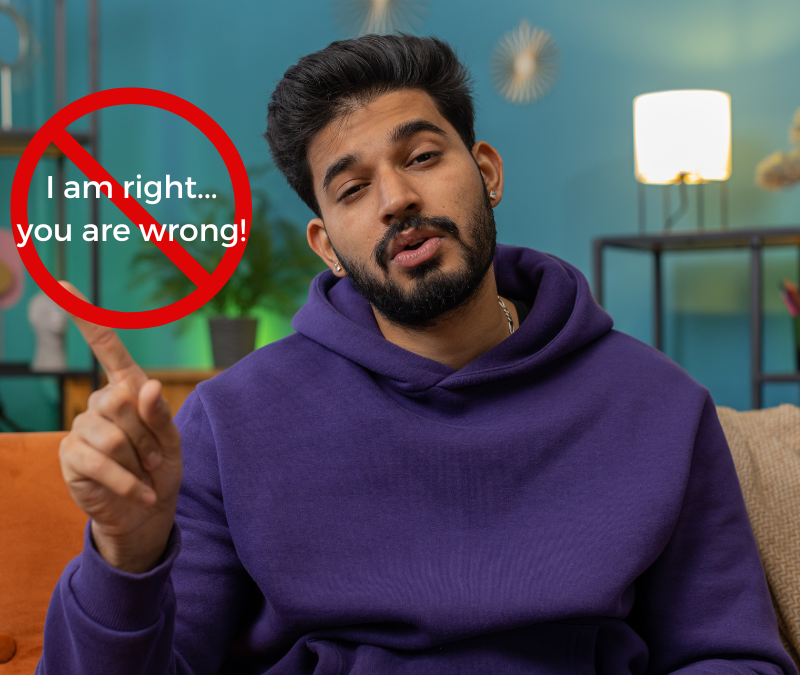
Do You Need to Be Right? Finding Harmony Over Winning

Do You Need to Be Right? Finding Harmony Over Winning

Do You Need to Be Right? Finding Harmony Over Winning


At Maplewood Counseling, we provide inclusive care for people of all races, cultures, and backgrounds, including interfaith, interracial, BIPOC, LGBTQIA+, and blended families. Our therapists bring lived experiences and specialized training to create a safe, affirming space for all.

Do You Need to Be Right? Finding Harmony Over Winning

Does every disagreement feel like a battle you have to win? Do you find yourself arguing points just to prove you are correct, even if it hurts your partner’s feelings? If this sounds familiar, you aren’t alone.

Start Your Journey to Connection

Is Being “Right” Costing You Your Happiness?

We all have an innate desire to be understood and validated. It feels good to know that our perspective is accurate. However, when the need to be right becomes a compulsion, it can create a significant wedge in your relationships.

Constantly needing to be right often means someone else has to be “wrong.” This dynamic can turn a partnership into a competition, leading to resentment, distance, and a breakdown in communication.

Why Do We Hold On So Tight?

Understanding why we fight so hard to be right is the first step toward letting go. It is rarely about the topic at hand; usually, deeper emotional needs are driving the behavior.

1. Fear of Vulnerability

Admitting we are wrong can feel scary. It might feel like admitting weakness or incompetence. For many, being “right” is a shield used to protect a fragile self-esteem.

2. A Need for Control

When life feels unpredictable, controlling a narrative or an argument can provide a false sense of security. It’s a way to feel safe in a chaotic world.

3. Seeking Validation

We often equate being “right” with being “worthy.” If I am right, I am smart, I am good, I am valuable. If I am wrong, I fear I might be rejected or seen as “less than.”

The Real Cost of Winning

Getting stuck in mental positions where you must be right has consequences.

  • Emotional Distance: Your partner may feel unheard or invalidated, causing them to withdraw emotionally.
  • Cycles of Conflict: Arguments become repetitive and draining because the goal is winning, not resolving.
  • Loss of Intimacy: It is hard to feel close to someone who is constantly correcting you or proving you wrong.

Remember, in a healthy relationship, you are on the same team. If one person “wins” and the other “loses,” the relationship loses.

Moving From Conflict to Connection

How do you break the cycle? It starts with a shift in perspective.

Choose Connection Over Correction

Ask yourself: “Would I rather be right, or would I rather be close?” Prioritizing the connection means validating your partner’s feelings, even if you disagree with their facts.

Embrace “We” Instead of “Me”

Shift your language. Instead of saying, “You are wrong,” try saying, “I see it differently, can you help me understand your view?” This invites collaboration rather than defense.

Accept Imperfection

We all make mistakes. Owning your errors doesn’t make you weak; it makes you human and relatable. Apologizing when you are wrong builds immense trust and respect.

Ready to Let Go and Reconnect?

You don’t have to navigate these patterns alone. If the need to be right is affecting your relationship, we are here to support you. Let’s work together to build a partnership based on mutual respect, understanding, and deep connection.

Frequently Asked Questions


Is it wrong to stand up for my opinion?

Not at all. Healthy relationships rely on both partners expressing their honest opinions. The problem arises when the need to be right overrides respect and empathy for your partner’s experience.

My partner always thinks they are right. What can I do?

It can be frustrating. Try to approach them with curiosity rather than criticism. Say something like, “I feel unheard when we argue this way. Can we try to understand each other’s feelings instead of debating the facts?” If the pattern persists, couples counseling can provide a safe space to navigate this dynamic.

Can therapy help us stop arguing about who is right?

Absolutely. Therapy helps uncover the root causes of this behavior—whether it’s insecurity, past trauma, or communication habits. We provide tools to help you disagree constructively and prioritize your bond over winning the argument.

How do I stop myself in the heat of the moment?

Mindfulness is key. When you feel that urge to correct or “win” bubbling up, take a deep breath. Pause. Ask yourself what you really need in that moment—is it validation? Reassurance? Communicate that need directly instead of fighting for the “win.”

Ready to Let Go and Reconnect?

You don’t have to navigate these patterns alone. If the need to be right is affecting your relationship, we are here to support you. Let’s work together to build a partnership based on mutual respect, understanding, and deep connection.

Comprehensive Guides from Maplewood Counseling:

  • Anxiety Guide
    Understand anxiety and explore effective strategies to manage and reduce its impact on your daily life.

  • Depression Guide
    A supportive guide to recognizing depression and finding the help you need to feel better.

  • Couples Counseling Guide
    Learn how couples counseling can help improve communication, resolve conflicts, and strengthen your relationship.

  • Grief Guide
    Navigate the complexities of grief with compassionate advice and tools for healing.

  • Culturally Sensitive and LGBTQ+ Affirming Care
    Discover how inclusive therapy can provide a safe and supportive space for all individuals and couples.

  • Personal Growth Guide
    A guide to self-discovery and building the life you want through personal development.

  • Stepfamilies Guide
    Practical advice for navigating the unique challenges and dynamics of blended families.

  • Parenting Teens Guide
    Support and strategies for building strong, healthy relationships with your teen.

Waiting Too Long to Get Couples Counseling Can Be Problemtatic

Waiting Too Long to Get Couples Counseling Can Be Problemtatic

Why Couples Wait Too Long to Get Couples Counseling

Waiting too long can harm your relationship
Get Started

Why Waiting Too Long to Get Couples Counseling Can Harm Your Relationship

Introduction

In the hustle and bustle of modern life, many couples find themselves facing relationship challenges. However, a common issue that often goes unnoticed is the tendency to wait too long before seeking couples counseling. This delay can have significant impacts on relationship health and overall well-being. In this blog post, we will explore why couples often postpone getting help, the dangers of waiting, and the benefits of seeking timely intervention.

Emotional Barriers to Seeking Help

One of the primary reasons couples delay counseling is emotional barriers. Feelings of shame, guilt, or fear can prevent individuals from admitting that their relationship needs help. Many people worry about being judged or believe that seeking help is a sign of weakness. However, acknowledging these emotions and overcoming them is the first step toward improving relationship health.

The Fear of Judgment

Couples often fear that friends, family, or even their partner will judge them for seeking counseling. This fear of judgment can be overwhelming and paralyzing, preventing them from taking the necessary steps to address their issues. It’s essential to remember that seeking help is a courageous act that shows a commitment to the relationship.

Guilt and Self-Blame

Feelings of guilt and self-blame can also play a significant role in delaying counseling. Individuals may feel responsible for the issues in the relationship and believe they should be able to fix them on their own. This mindset can lead to prolonged suffering and further damage to the relationship.

Overcoming Emotional Barriers

Acknowledging and addressing these emotional barriers is crucial. Open communication with your partner about your feelings and concerns can help create a supportive environment where seeking counseling is viewed as a positive step toward growth and healing.

Social Stigma and Misconceptions

Social stigma and misconceptions about counseling can also contribute to delays in seeking help. Many people believe that counseling is only for “serious” problems or that it’s a last resort. These misconceptions can prevent couples from accessing the support they need.

Misunderstanding the Role of Counseling

One common misconception is that counseling is only necessary for couples on the brink of separation or divorce. In reality, counseling can be beneficial at any stage of a relationship. It offers tools and strategies for improving communication, resolving conflicts, and strengthening the bond between partners.

Addressing the Stigma

Challenging social stigma involves educating ourselves and others about the benefits of counseling. Sharing positive experiences and success stories can help normalize the idea of seeking help and encourage more couples to take proactive steps.

The Importance of Early Intervention

Early intervention can prevent minor issues from escalating into significant problems. By seeking counseling early, couples can develop healthy communication patterns and conflict resolution skills, reducing the likelihood of long-term difficulties.

Practical Obstacles and Scheduling Conflicts

Another reason couples delay counseling is practical obstacles, such as busy schedules, financial concerns, and childcare responsibilities. These challenges can make it difficult to prioritize counseling sessions.

Balancing Busy Schedules

Finding time for counseling can be challenging, especially for couples with demanding careers or family responsibilities. However, viewing counseling as an investment in the relationship can help prioritize it amidst a busy schedule.

Addressing Financial Concerns

Financial concerns can also be a barrier to seeking counseling. Many couples worry about the cost of sessions and whether they can afford it. Exploring options such as sliding scale fees, insurance coverage, or community resources can make counseling more accessible.

Overcoming Practical Obstacles

Creating a plan to address practical obstacles can make counseling more feasible. This might involve coordinating schedules, budgeting for sessions, or arranging childcare. Remember, investing in relationship health is invaluable.

The Dangers of Waiting Too Long

Waiting too long to seek counseling can have serious consequences for relationship health. Issues that could have been resolved with early intervention may become deeply entrenched, leading to increased conflict and emotional distance.

Worsening Relationship Dynamics

Over time, unresolved issues can erode trust and intimacy in a relationship. Negative patterns of communication and behavior can become ingrained, making it harder to break free from them without professional help.

Mental Health Implications

The stress and strain of ongoing relationship problems can take a toll on mental health. Anxiety, depression, and other mental health issues can arise or worsen when couples do not address their relationship challenges.

Impact on Overall Well-being

The quality of our relationships significantly impacts our overall well-being. Neglecting relationship health can lead to increased stress, reduced life satisfaction, and even physical health problems.

Case Studies and Expert Opinions

Real-life case studies and expert insights highlight the importance of seeking early intervention. Relationship experts agree that addressing issues promptly can lead to better outcomes and long-term relationship satisfaction.

Real-life Examples

Consider the story of John and Jane, who waited years before seeking counseling. By the time they sought help, their communication had deteriorated, and they struggled to rebuild trust. In contrast, Sarah and Mike sought counseling early and quickly learned effective communication skills that strengthened their bond.

Insights from Relationship Experts

Experts emphasize the value of early intervention. Dr. Emily Cook, a licensed marriage and family therapist, explains, “Early counseling can help couples develop positive communication patterns and prevent minor issues from escalating.”

The Power of Proactive Steps

Taking proactive steps by seeking counseling early can transform relationships. Learning to address issues constructively and build on strengths creates a foundation for a healthy, fulfilling partnership.

Benefits of Seeking Counseling Early

Seeking counseling early has numerous benefits for couples. It enhances communication, improves relationship satisfaction, and provides valuable conflict resolution skills.

Improved Communication

Effective communication is the cornerstone of a healthy relationship. Counseling provides couples with tools to express their needs, listen actively, and understand each other’s perspectives.

Increased Relationship Satisfaction

Couples who seek counseling early often report higher levels of relationship satisfaction. Addressing issues and building a stronger connection leads to a more fulfilling partnership.

Enhanced Conflict Resolution Skills

Counseling teaches valuable conflict resolution skills, helping couples handle disagreements constructively. These skills contribute to long-term relationship stability and harmony.

Advice for Couples Considering Counseling

If you’re considering counseling, here are some practical tips to help you take the first steps.

Recognizing the Signs

Recognize the signs that counseling may be beneficial. Frequent arguments, communication breakdowns, and feelings of distance are indicators that professional help could be valuable.

Open Communication

Discuss the idea of counseling openly with your partner. Express your concerns and the benefits you believe counseling could bring to your relationship.

Taking the First Step

Taking the first step can be the hardest part. Research counselors in your area, reach out for recommendations, and schedule an initial session to see if it’s a good fit for both of you.

Conclusion

In conclusion, waiting too long to seek couples counseling can have detrimental effects on relationship health. By addressing emotional barriers, challenging social stigma, and overcoming practical obstacles, couples can take proactive steps toward a healthier, more fulfilling relationship. Early intervention through counseling offers improved communication, increased relationship satisfaction, and valuable conflict resolution skills. Prioritizing your relationship health is essential for long-term happiness and well-being. If you recognize the signs that counseling may be beneficial, don’t wait—take that first step toward a stronger, more connected partnership today.

If you need help getting started woring on your relationship issues, get in touch.

Get in touch now with Maplewood Counseling

5 Things Successful Relationships Have in Common


5 Signs Your Relationship May Be Over | When Love Fades

5 Signs Your Relationship May Be Over | When Love Fades

5 Signs Your Relationship May Be Over

When Love Fades
Get Started

When Love Fades Away – 5 Signs Your Relationship May Be Over

Introduction

Relationships are the backbone of human experience, providing support, companionship, and joy. However, not all relationships are built to last. Recognizing when a relationship is faltering can be challenging but is crucial for personal growth and happiness. This blog post aims to shed light on the telltale signs that your relationship may be over, offering practical advice and support to those navigating this difficult terrain.

Lack of Communication

The Role of Communication Breakdown

Communication is the lifeblood of any relationship. It fosters understanding, builds trust, and deepens connections. When communication starts to break down, misunderstandings and resentment can fester, leading to emotional distance. A lack of meaningful conversations or constant misinterpretations are red flags that shouldn’t be ignored.

Improving Communication

All is not lost if you recognize communication issues early on. Start by setting aside dedicated time to talk without distractions. Practice active listening, which means genuinely paying attention to your partner’s words without planning your response simultaneously. Use “I” statements to express your feelings without sounding accusatory. For example, say “I feel neglected when we don’t talk” instead of “You never talk to me.”

Practical Tips

  • Schedule weekly check-ins to discuss feelings and concerns.
  • Keep conversations respectful and avoid blame.
  • Consider couples therapy to improve communication skills.

Constant Negativity

The Impact of Negativity

Negativity can seep into a relationship like a slow poison. Constant criticism, complaining, or pessimism can create a toxic environment where neither partner feels valued or happy. This consistent negative atmosphere can erode the foundation of love and respect, leading to emotional exhaustion.

Fostering Positivity

Turning negativity around requires effort from both partners. Start by focusing on the positive aspects of your relationship. Express gratitude for small acts of kindness and celebrate each other’s achievements. Create an environment where positivity can flourish, making it easier to tackle life’s challenges together.

Practical Tips

  • Practice daily affirmations about your relationship.
  • Engage in activities that bring joy to both partners.
  • Limit exposure to external stressors that contribute to negativity.

Trust Issues

The Importance of Trust

Trust is the bedrock of any relationship. Without it, insecurity and doubt can overshadow even the happiest moments. Trust issues often manifest through jealousy, suspicion, and a lack of transparency. These feelings can be incredibly damaging and lead to a cycle of distrust and hurt.

Rebuilding Trust

Rebuilding trust is possible but requires time, patience, and consistent effort. Both partners must be willing to work on their issues and communicate openly about their feelings. Honesty is key; admit mistakes and take accountability. Setting boundaries and respecting them also plays a crucial role in rebuilding trust.

Practical Tips

  • Be transparent about your actions and intentions.
  • Engage in trust-building activities like joint decision-making.
  • Seek professional help if trust issues stem from past traumas.

Different Life Goals

The Significance of Shared Goals

Shared goals provide direction and purpose in a relationship. When partners have divergent life goals, it can lead to conflict and dissatisfaction. Whether it’s differences in career aspirations, lifestyle choices, or family planning, these discrepancies can create significant tension.

Handling Differences

It’s essential to have open and honest discussions about your life goals. Identify areas where compromise is possible and where it is not. Sometimes, it’s about finding a middle ground that satisfies both partners. However, if the differences are too vast, it might be a sign that the relationship isn’t sustainable.

Practical Tips

  • Regularly discuss your short-term and long-term goals.
  • Find common ground or create joint goals.
  • Respect each other’s individual aspirations.

Lack of Intimacy

Various Aspects of Intimacy

Intimacy is more than physical closeness; it encompasses emotional, intellectual, and experiential connections. A lack of intimacy can make partners feel isolated and unloved. Over time, this can create a chasm that’s difficult to bridge.

Reconnecting on an Intimate Level

Rekindling intimacy requires effort and vulnerability. Spend quality time together, engage in deep conversations, and share your thoughts and feelings openly. Physical touch, even simple gestures like holding hands or hugging, can also help rebuild intimacy.

Practical Tips

  • Schedule regular date nights to reconnect.
  • Communicate openly about your needs and desires.
  • Explore new activities together to create shared experiences.

Conclusion

Recognizing the signs that your relationship may be over is the first step toward healing and growth. Whether it’s a lack of communication, constant negativity, trust issues, different life goals, or a lack of intimacy, understanding these signs can help you make informed decisions about your future. Remember, it’s okay to seek help and take time for self-reflection.

For those facing the end of a relationship, know that you’re not alone. There are resources and communities available to support you through this challenging time. Don’t hesitate to reach out and take the necessary steps to ensure your happiness and well-being.

Next Steps

If you’re struggling with any of these signs and need further guidance, consider booking a session with a relationship counselor. Engaging with supportive resources can provide clarity and help you find a path forward, whether it’s rekindling the love or moving on to new beginnings.

If you wonder if your relationship might be over and want to talk to a professional, reach out.

Get in touch now with Maplewood Counseling

3 Healthy Ways to Rekindle the Spark in Your Relationship


Waiting Too Long to Get Couples Counseling Can Be Problemtatic

Break Free from Family Dysfunction with These 3 Essential Rules

Break Free from Family Dysfunction

Use 3 Essential Rules
Get Started

Break Free from Family Dysfunction with These 3 Essential Rules


Every family has its ups and downs. But what happens when the downs start to outweigh the ups? Family dysfunction is a reality for many households, causing stress, miscommunication, and emotional turmoil. It’s a tricky subject, but understanding it is the first step to healing. This blog post aims to shed light on family dysfunction, particularly for parents, families, step-families, and blended families. You’ll learn about its forms, symptoms, and the three essential rules to manage and overcome it. By the end, you’ll have actionable steps to foster a healthier family environment.

Understanding Family Dysfunction


What is Family Dysfunction?

Family dysfunction occurs when a family system operates in a way that hinders the emotional or physical well-being of its members. This can manifest in various forms, such as constant conflict, neglect, or even abuse. It’s crucial to remember that no family is perfect, but persistent harmful patterns need to be addressed.

Forms of Family Dysfunction

  1. Communication Breakdown: When family members struggle to communicate effectively, misunderstandings and resentment build up.
  2. Lack of Boundaries: In families where boundaries are blurred, individuals may feel overwhelmed or violated.
  3. Constant Conflict: Frequent arguments and unresolved disputes can create a toxic home environment.

Common Symptoms

Recognizing the symptoms of family dysfunction is crucial for addressing it. Some common signs include:

  • Constant Tension: A perpetual feeling of walking on eggshells.
  • Isolation: Family members withdrawing from one another.
  • Role Reversal: Children taking on adult responsibilities.


The 3 Rules of Family Dysfunction


Rule 1: The Importance of Open Communication and Healthy Conflict Resolution

Techniques for Open Communication

Open communication is the foundation of a healthy family. It involves honest, respectful dialogues where everyone feels heard. Practice active listening and avoid interrupting when others speak.

Benefits of Healthy Conflict Resolution

Healthy conflict resolution means addressing issues before they escalate. Use “I” statements instead of “You” statements to express feelings without blaming others.

Tools to Facilitate Discussions

Consider tools like family meetings or communication apps designed to improve dialogue. These can help keep everyone on the same page and reduce misunderstandings.


Rule 2: Setting Boundaries and the Power of Saying No


What are Healthy Boundaries?

Healthy boundaries are limits set to protect one’s personal space and emotional well-being. They are essential for maintaining respect and understanding within the family.

Strategies for Implementing Boundaries

Start by identifying areas where boundaries are needed. Communicate these clearly and consistently. It’s okay to say no when necessary.

The Role of Consistency

Consistency is key. Stick to your boundaries to show that they are non-negotiable. This helps establish a sense of security and reliability within the family.

Rule 3: Seeking Professional Help and Support Networks


When to Seek Professional Help

Sometimes, professional help is necessary to break the cycle of dysfunction. Therapists can provide objective insights and tools for improvement.

Types of Professional Support

There are various types of support available, such as family therapy, individual counseling, and support groups. Each offers unique benefits tailored to different needs.

Building a Support Network

Creating a support network of friends, extended family, and community resources can offer additional emotional support and practical advice.

Real-Life Examples


Open Communication in Action

Consider Sarah, a mother of three, who noticed her family was constantly arguing. By implementing regular family meetings, she created a safe space for everyone to express their feelings. This simple change reduced misunderstandings and improved family cohesion.

Setting Boundaries with Empathy

John, a father in a blended family, struggled with setting boundaries for his stepchildren. He decided to have an open discussion about personal space and respect. Over time, this led to a more harmonious household where everyone felt valued.

Professional Help Saved Their Family

Emily and Mark were on the brink of separation due to constant conflict. They sought the help of a family therapist, who guided them on effective communication and conflict resolution techniques. Today, they are stronger than ever.

The Impact on Children


Long-Term Effects

Children in dysfunctional families often carry emotional scars into adulthood. They may struggle with relationships, self-esteem, and even mental health issues.

Strategies to Mitigate Impact

To mitigate these effects, it’s crucial to foster a supportive environment. Encourage open communication, set boundaries, and seek professional help if needed.

Benefits of a Healthy Family Environment

A healthy family environment promotes emotional well-being, academic success, and social skills. It prepares children for a balanced and fulfilling life.

Conclusion

Family dysfunction is challenging, but not insurmountable. Recognizing the issue is the first step toward healing. Implementing open communication, setting boundaries, and seeking professional help can transform your family dynamics. The well-being of every family member depends on it.

If you need help with family dysfunction, get in touch.

Get in touch now with Maplewood Counseling

Family Counseling


Why Do People Cheat? Insights and Healing from Infidelity

Why Do People Cheat? Insights and Healing from Infidelity

Understanding Infidelity: Esther Perel’s Insights and Your Path to Healing


Why Do People Cheat? Insights and Healing from Infidelity

Understanding Affairs with Compassion

Discovering infidelity can create waves of pain and confusion. If you’re coping with betrayal or struggling with trust, please know your feelings are valid and you are not alone. Healing starts with understanding, and renowned relationship expert Esther Perel offers a powerful framework for making sense of why affairs happen—not to excuse the hurt caused, but to help you find a way forward.

Esther Perel’s Three Core Reasons for Infidelity

Esther Perel’s research shows that cheating is rarely just about physical attraction or simple dissatisfaction. Instead, affairs are often about longing—for emotional connection, a sense of excitement, or a lost part of oneself. By exploring the deeper needs that drive infidelity, we can begin to heal and reconnect, whether you choose to repair your relationship or find closure.

1. Longing for Emotional Connection

For many, an affair begins with the aching need to feel heard, seen, or valued. Over time, life’s demands—work, family, routines—can create distance. You or your partner may feel more like roommates than romantic partners, missing the warmth and understanding you once shared. When these needs go unmet, it’s natural to look for comfort elsewhere. Sometimes, this comfort grows into a secret connection outside the partnership.

If you recognize this longing in yourself or your relationship, know that repairing emotional bonds is possible. It starts with honest conversations and a genuine effort to create space for each other again.

2. Desire for Excitement and Novelty

Perel explains that the pull of the unknown and the thrill of newness can be powerful. Long-term relationships can gradually become predictable—even if they’re secure and loving. Some seek affairs not because their current relationship is failing, but out of a longing for adventure and passion. This isn’t just about another person; it’s about feeling alive, spontaneous, and desired again.

The desire for novelty is deeply human. It’s possible to rekindle these feelings within your relationship by exploring new activities together, going on adventures, or simply breaking out of your daily routine.

3. Need for Self-Discovery and Validation

Sometimes, infidelity is less about the partner or the relationship and more about the person who strayed. According to Perel, an affair can be a search for lost identity, self-worth, or independence—especially during times of major life changes or doubts.

The person who cheats may not be running away from their relationship, but running toward a different version of themselves. They might want to feel special, attractive, or powerful—needs that go beyond what their partner can provide.

This doesn’t mean your relationship is broken or that you aren’t enough. Instead, it’s a sign that healing may require both partners to reflect on their own hopes, insecurities, and needs, and to support each other’s growth.


Moving Forward Together

Healing after infidelity is not easy, but it is possible—especially with compassion and understanding. Remember, the reason for an affair is rarely just about you or your partner; it’s often about deeper struggles or needs that have gone unspoken. Open, gentle conversations can be the first step to reconnecting.

If you are recovering from infidelity, you don’t have to face this alone. Professional support can help you process your feelings, rebuild trust, and rediscover hope—together or individually.

Ready to take the next step toward healing? Our caring team is here to support you.

Frequently Asked Questions about Infidelity

Can a relationship survive infidelity?
Yes, many relationships do survive infidelity, though the process requires time, mutual effort, and a willingness to heal together. Couples often benefit from supportive counseling and honest communication to rebuild trust and connection.

How do I rebuild trust after an affair?
Rebuilding trust takes consistency, openness, and patience. The partner who broke the trust needs to show accountability, transparency, and genuine commitment to change. The person who was hurt also needs space for their feelings and support in processing the betrayal. Working with a professional can help all partners move forward with clarity.

Should I stay or leave after infidelity?
This is a deeply personal decision. Some people find new strength and intimacy in their relationship after working through an affair, while others decide it’s healthiest to part ways. Reflect on your needs, your emotional and physical safety, and whether everyone involved is committed to healing.

Is emotional infidelity as serious as physical infidelity?
Emotional affairs can be just as painful as physical ones, as they involve deep connections formed outside the partnership. Both types can damage trust, and both deserve honest discussion, support, and understanding.

How can therapy help after infidelity?
Therapy provides a safe, inclusive space for everyone involved, regardless of your relationship type or background. A professional counselor can guide you through difficult conversations, help you process pain, and develop a plan for healing—whether you choose to stay together or go your separate ways.

Will things ever feel normal again?
While the pain of betrayal may linger for some time, many individuals and couples find peace and renewed closeness over time. Healing is possible, and you deserve support every step of the way.

Does infidelity look different in non-traditional or non-monogamous relationships?
Infidelity is about broken agreements, which can look different depending on your relationship structure. In open, polyamorous, or other diverse relationships, the important thing is honoring the boundaries and understandings you and your partners have set together. Any breach of trust can hurt—what matters most is clear and ongoing communication.

What if only one partner wants to heal or seek counseling?
It’s common for one person to feel ready before the other. Starting therapy alone can still be a powerful first step. A counselor can help you process your feelings, clarify your needs, and offer strategies for self-care while exploring the next steps together or individually.

How can we talk to our children or family about infidelity?
Sharing information about infidelity with children or family members is deeply personal. Consider the age of those involved and the level of detail that’s necessary. If you feel uncertain, a therapist can help you navigate these conversations, offering support for honest and appropriate communication in your unique situation.

Is forgiveness possible, even if I can’t forget what happened?
Forgiveness doesn’t mean forgetting or excusing behavior—it means finding your own peace so the pain no longer controls your life. This process looks different for everyone and takes time. Therapy, self-reflection, and self-compassion all play important roles in the journey.


If you have more questions or want personal guidance, please reach out. We’re here to help you navigate these challenges with compassion, respect, and hope for healing—no matter what your relationship looks like.

Helpful Resources

Forgiveness in Relationships: How to Heal & Reconnect

Forgiveness in Relationships: How to Heal & Reconnect

Forgiveness: The Hardest and Most Healing Choice


Forgiveness in Relationships: How to Heal and Reconnect

In every relationship, no matter how strong, there will be moments of hurt. A broken promise, a thoughtless word, a betrayal of trust—these wounds can leave deep scars. When you are hurt by the person you love most, the pain can feel overwhelming, creating a chasm of anger and resentment between you. It can feel like the only way to protect yourself is to hold onto that anger, to never forget what happened. But what if holding on is what’s keeping you stuck?

This is where the practice of forgiveness comes in, and it is often profoundly misunderstood. Forgiveness is not about saying, “What you did was okay.” It is not about forgetting the pain or erasing the past. Forgiveness is a personal, powerful choice to release the grip that resentment has on your heart. It is the first step toward healing, both for yourself and potentially for your relationship.

This guide will explore the challenging but transformative journey of forgiveness and reconciliation. We will untangle what these words really mean, explore the path to healing, and offer practical steps to help you decide what comes next after a deep hurt.

Forgiveness and Reconciliation: What’s the Difference?

Though often used together, forgiveness and reconciliation are two very different processes. Understanding this distinction is the key to navigating the path forward after a betrayal.

Forgiveness is an internal process. It is a solo journey. It is about you and your healing. When you forgive, you make a conscious decision to let go of the anger and the desire for retribution that are weighing you down. You can forgive someone completely without ever speaking to them again. It is an act of self-liberation, freeing you from a painful past so it no longer controls your present.

Reconciliation is an interpersonal process. It is a journey for two. It is the collaborative act of rebuilding a relationship after trust has been broken. Reconciliation can only happen after forgiveness, but forgiveness does not automatically lead to reconciliation. It requires both partners to be willing to do the hard work of repairing the bond, taking accountability, and creating a new, stronger foundation together.

The Power of Forgiveness: A Gift You Give Yourself

Holding onto a grudge can feel like drinking poison and waiting for the other person to get sick. It keeps your body in a state of high alert, flooding you with stress hormones and draining your emotional energy. The long-term effects can be damaging, leading to anxiety, depression, and even physical health problems.

Choosing to forgive is choosing to prioritize your own well-being. It is the act of putting down a heavy burden you were never meant to carry.

Real-life example:
After Taylor discovered that their partner, Jordan, had been hiding a significant amount of debt, they were consumed by anger and a sense of betrayal. Every interaction was tense. Taylor couldn’t sleep, felt constantly anxious, and replayed the discovery over and over. After several months, Taylor realized the anger was hurting them more than anyone else. Through therapy, Taylor began the process of forgiveness—not to excuse Jordan’s actions, but to release the emotional poison that was consuming their life. This allowed Taylor to think clearly and decide on the future of the relationship from a place of peace, not rage.

The Path to Forgiveness: Practical Steps

Forgiveness is a process, not a switch you can flip. Be patient and compassionate with yourself.

  1. Acknowledge the Pain: Allow yourself to feel the full spectrum of your emotions—anger, sadness, hurt, confusion. Write them down. Talk to a trusted friend. Don’t rush past this step. Your feelings are valid.
  2. Understand, Don’t Excuse: Try to see the situation from a broader perspective. What fears or insecurities might have driven your partner’s actions? This is not about letting them off the hook; it’s about depersonalizing the hurt so it loses some of its power.
  3. Make the Choice: Forgiveness is a conscious decision. You can say to yourself, “I am choosing to let go of this resentment for my own peace.” You may have to make this choice many times a day until it begins to feel real.
  4. Release the Burden: Find a ritual to symbolize this release. You might write a letter to your partner expressing all your feelings and then burn it, or visualize the anger as a heavy backpack that you consciously take off and leave behind.

Reconciliation: Rebuilding the Bridge, Together

If you choose to forgive and also want to repair the relationship, the journey of reconciliation begins. This path requires immense courage, vulnerability, and commitment from both partners.

Reconciliation is not about going back to the way things were. The old relationship is gone. This is about co-creating a new relationship—one that is stronger, more honest, and more resilient than before.

Steps to Rebuilding a Broken Bond

This journey must be taken together, with both partners fully invested in the process.

  1. Full Accountability: The person who caused the hurt must take full, sincere responsibility for their actions. This means no excuses, no “but you did…”, and no minimizing the impact of their behavior. A genuine apology acknowledges the pain caused.
  2. Create a Safe Space for Dialogue: Both partners need to be able to express their feelings without fear of blame or defensiveness. This often requires setting ground rules for difficult conversations, like taking breaks when emotions get too high.
  3. Establish a Plan for Change: How will you prevent this from happening again? Together, you must identify what needs to change. This could involve new boundaries, more transparent communication, or seeking therapy to address underlying issues.
  4. Rebuild Trust Through Action: Trust is not rebuilt with words; it is rebuilt with consistent, trustworthy actions over time. The person who broke the trust must be patient and understand that earning it back is a marathon, not a sprint.
  5. Focus on Reconnection: Intentionally create new positive memories together. Make time for shared joy, affection, and intimacy. This helps to balance the scales and reminds you both why you fell in love in the first place.

When Reconciliation Is Not the Right Path

It is crucial to recognize that reconciliation is not always possible or healthy. If the hurtful behavior is part of a pattern of abuse, if your partner is unwilling to take responsibility, or if you feel consistently unsafe, forgiveness may be a journey you must take on your own for your own healing, without rebuilding the relationship.

Navigating these incredibly complex and painful situations can feel impossible alone. A compassionate therapist can provide a neutral, safe space to help you process your feelings, explore your options, and determine the healthiest path forward for you and your future.

You do not have to walk this path alone. If you are struggling to find your way through the pain of a broken trust, we are here to help guide you.

Frequently Asked Questions (FAQs)

How long does it take to forgive someone?
There is no timeline for healing. It can take weeks, months, or even years. The process is unique to each individual and each situation. The goal is progress, not perfection. Be kind and patient with yourself.

Can a relationship ever truly recover from infidelity?
Yes, many relationships can and do recover from infidelity, but it is one of the most difficult challenges a couple can face. It requires radical honesty, deep empathy, and a profound commitment from both partners to rebuild the foundation of the relationship. Professional guidance is often essential in this process.

What if I’m the one who needs to be forgiven?
Start by taking complete ownership of your actions. Offer a sincere, heartfelt apology without any excuses. Then, listen. Listen to your partner’s pain without defending yourself. Ask them what they need from you to feel safe again, and then commit to doing that work, no matter how long it takes.

My partner keeps saying “I forgive you,” but then they bring it up in every argument. Is that real forgiveness?
This is a sign that the hurt has not been fully processed. While your partner may want to forgive, the pain and resentment are still close to the surface. It may mean more conversations are needed to truly address the impact of the original hurt so that you can both move forward without the past being used as a weapon.


Helpful Resources